

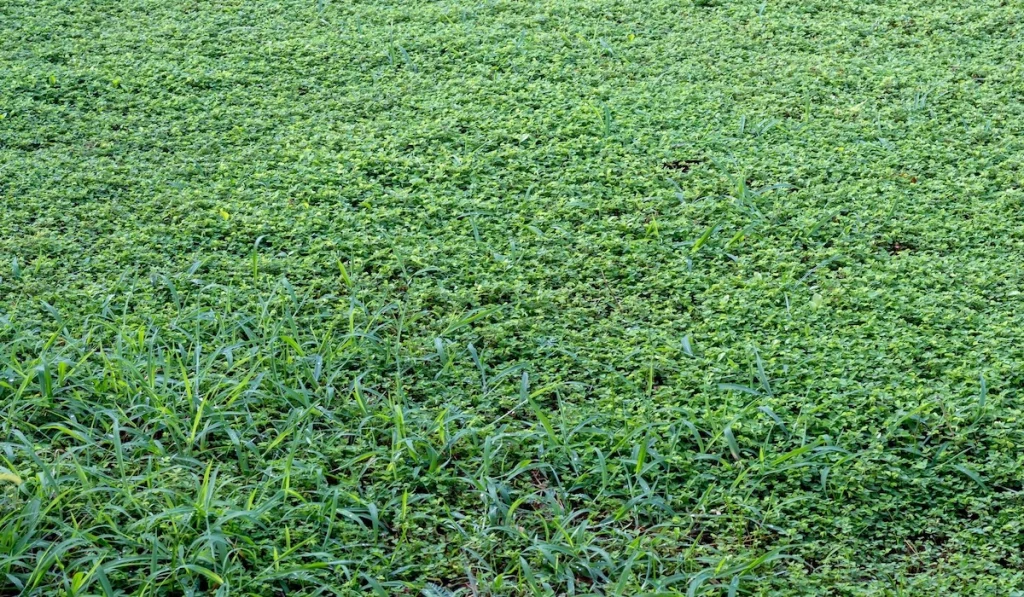
What happens when your perfectly maintained lawn suddenly starts losing its smooth, uniform look? In many cases, the real culprit is grassy weeds—those stubborn invaders that look so similar to your turf that they often go unnoticed until they spread.
Grassy weeds compete with your lawn for sunlight, nutrients, and water, slowly weakening healthy grass and creating uneven patches. Because they mimic real grass, they are harder to identify and control than broadleaf weeds.
Understanding how to spot these sneaky intruders and remove them properly is key to restoring your lawn’s natural beauty and long-lasting health.
What Makes Grassy Weeds Different?
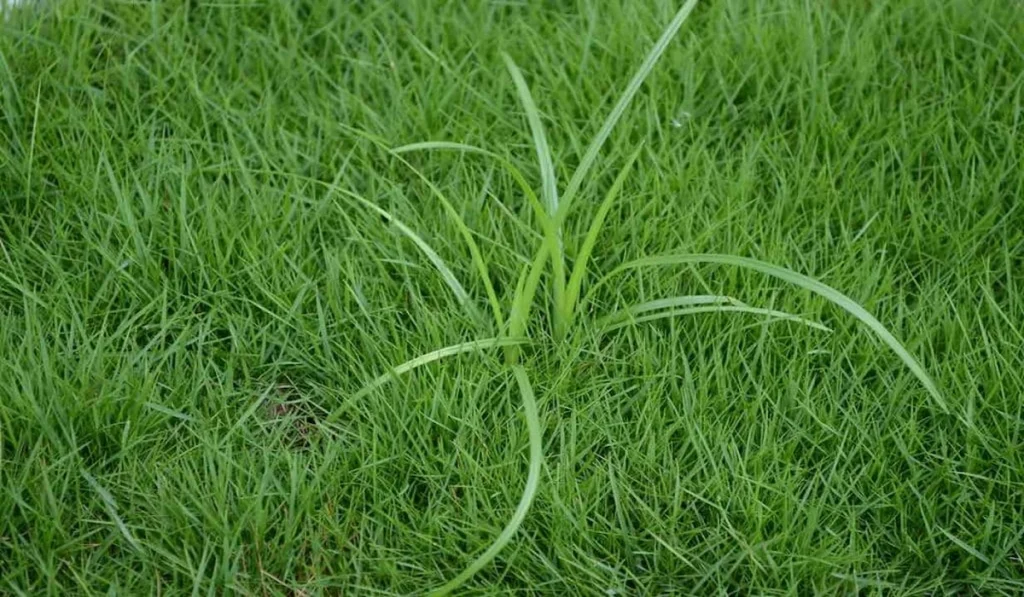
Grassy weeds are monocotyledonous plants—meaning they grow similarly to turfgrass, with narrow, blade-like leaves and parallel veins. This biological similarity allows them to blend in almost seamlessly with your lawn, making early detection challenging.
However, their growth patterns, resilience, and adaptability are what truly set them apart from desired grasses. Grassy weeds often germinate faster, spread more aggressively through seeds, stolons, or rhizomes, and tolerate a wide range of environmental conditions.
These weeds are typically categorised as either annual or perennial. Grassy yearly weeds complete their life cycle in a single growing season but spread quickly by seed. Perennial grassy weeds survive year after year, regenerating from roots or underground stems, making them particularly stubborn and difficult to eradicate.
Why Early Identification is Crucial
Recognising grassy weeds early in their life cycle is one of the most effective ways to manage them. Once established, these weeds can quickly dominate an area, forming dense patches that choke out healthy turf. Many homeowners mistakenly apply the wrong treatments—such as broadleaf herbicides—which do nothing to stop grassy weeds and may even harm the lawn further.
The sooner you identify the type of weed, the better your chances are of selecting the appropriate control strategy, whether that’s pre-emergent herbicides, manual removal, or cultural changes in lawn care practices.
Failing to act early also means missing the ideal window for prevention. For example, many annual weeds like crabgrass germinate when soil temperatures reach 55–60°F, which is why applying a pre-emergent herbicide in early spring can prevent them from sprouting. If you wait until the weed is visible, the damage has already begun.
Common Grassy Weeds You May Encounter
Here’s an in-depth overview of some of the most common and problematic grassy weeds, organised alphabetically for clarity and easy reference:
Annual Bluegrass (Poa annua)
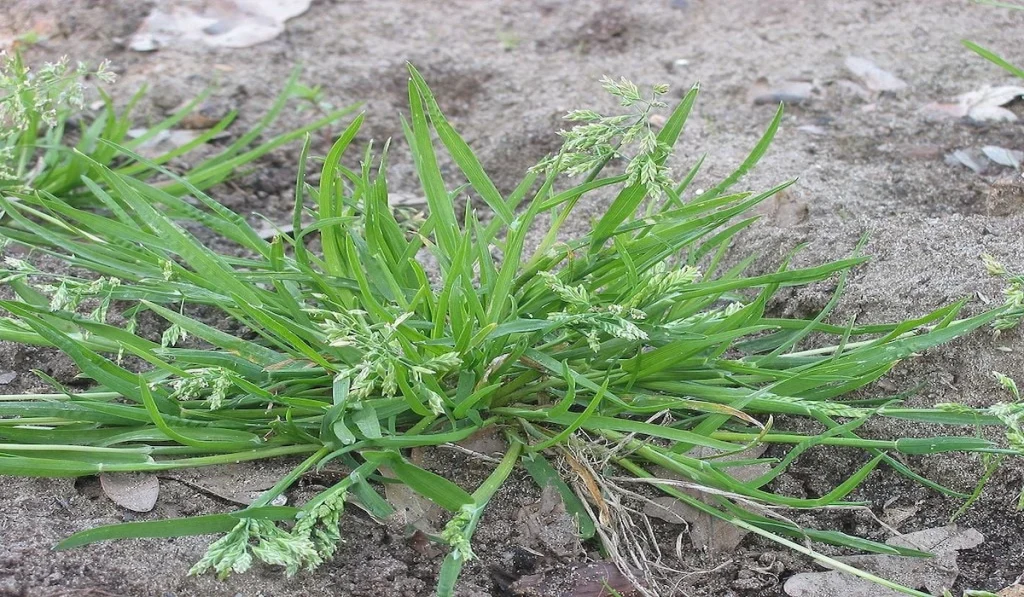
This low-growing, light-green weed thrives in compacted, moist, and shaded areas. Its ability to produce seed heads quickly—even when mowed short—makes it a persistent problem. Annual bluegrass often emerges in early spring and can blend in with cool-season turf, making it hard to detect. Left unchecked, it disrupts the consistency of your lawn, especially as it dies off in summer, leaving unsightly bare patches behind.
Bermudagrass (invasive varieties)
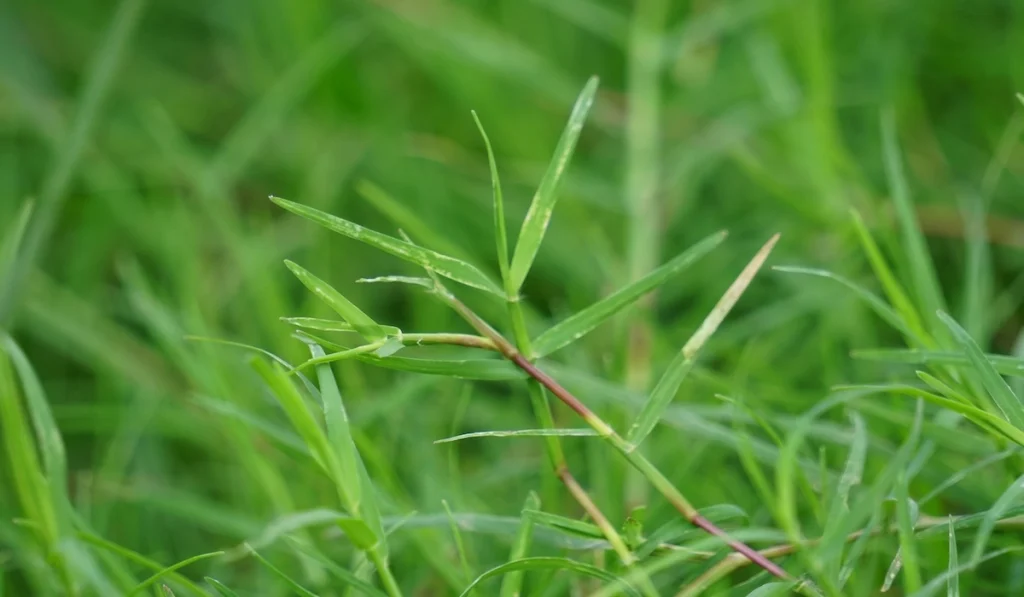
While often used as desirable turf in warm-season lawns, some wild or invasive bermudagrass varieties are notoriously hard to control. These aggressive grasses spread through above-ground stolons and below-ground rhizomes, allowing them to invade flower beds, sidewalks, and even well-established lawns.
Their rapid growth and drought tolerance make them resilient, but once they appear in areas where they’re not wanted, removing them without damaging surrounding turf can be difficult.
Crabgrass
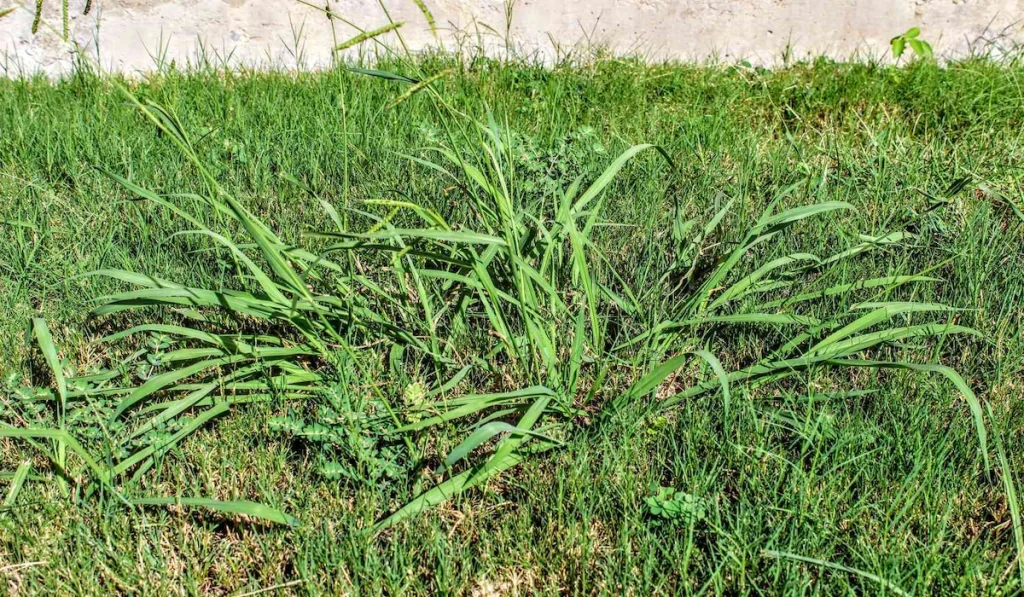
One of the most universally recognised grassy weeds, crabgrass is a summer annual that germinates in spring and thrives in thin or under-fertilised lawns. Its sprawling growth habit, wide leaf blades & coarse texture make it visibly different from most turfgrasses, yet by the time it’s noticeable, it’s already producing thousands of seeds. It prefers full sun and compacted soil and dies off with the first frost—only to return stronger the following year if not adequately controlled.
Dallisgrass
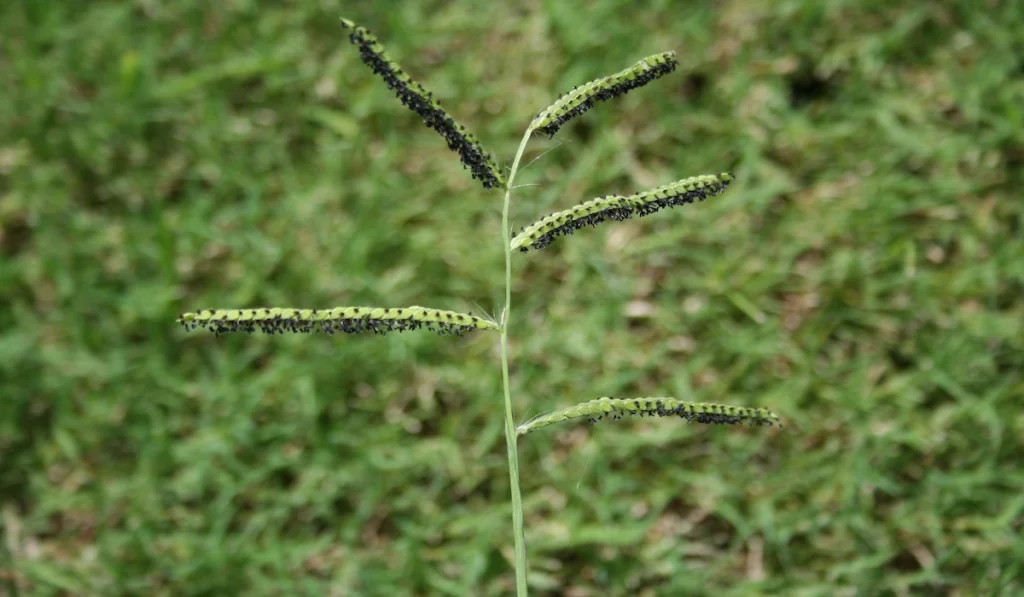
This tough perennial grass forms dense clumps and is easily identified by its coarse texture and broad leaves. It’s often found in warm, wet environments and is difficult to eliminate due to its deep root system.
Dallisgrass spreads through both seed and short rhizomes and can survive routine mowing. Since it tends to regrow from underground parts, mere surface removal or mowing isn’t enough to stop it.
Foxtail
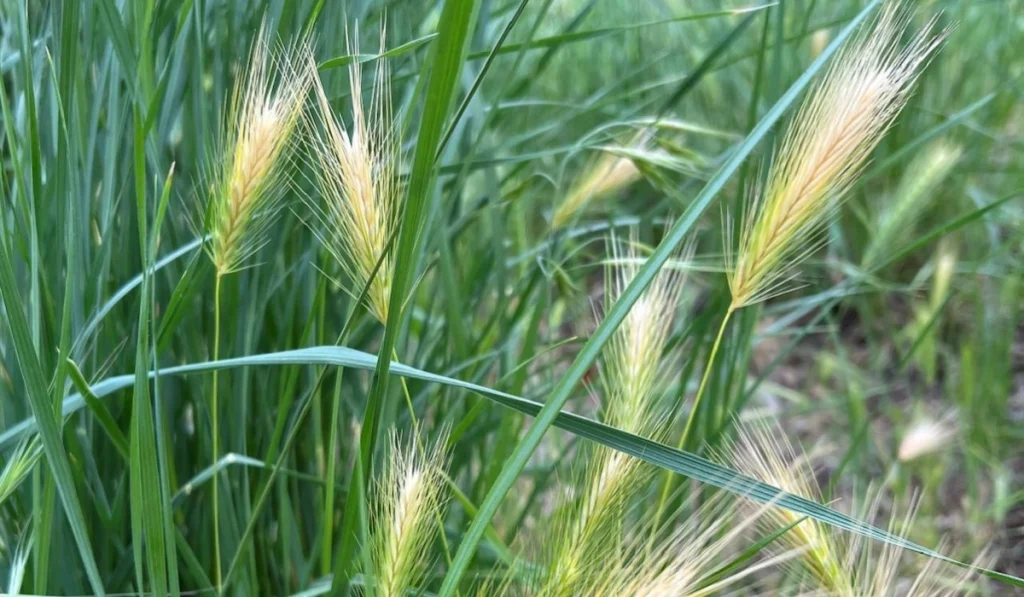
Named for its distinctive seed heads that resemble a fox’s tail, foxtail grasses come in yellow, green, and giant varieties. These annual weeds germinate in late spring and grow quickly in disturbed or poorly maintained soils. They are a particular threat to pets, as the barbed seed heads can attach to fur and even penetrate skin. Preventing foxtail involves improving soil conditions and ensuring dense, healthy turf.
Goosegrass
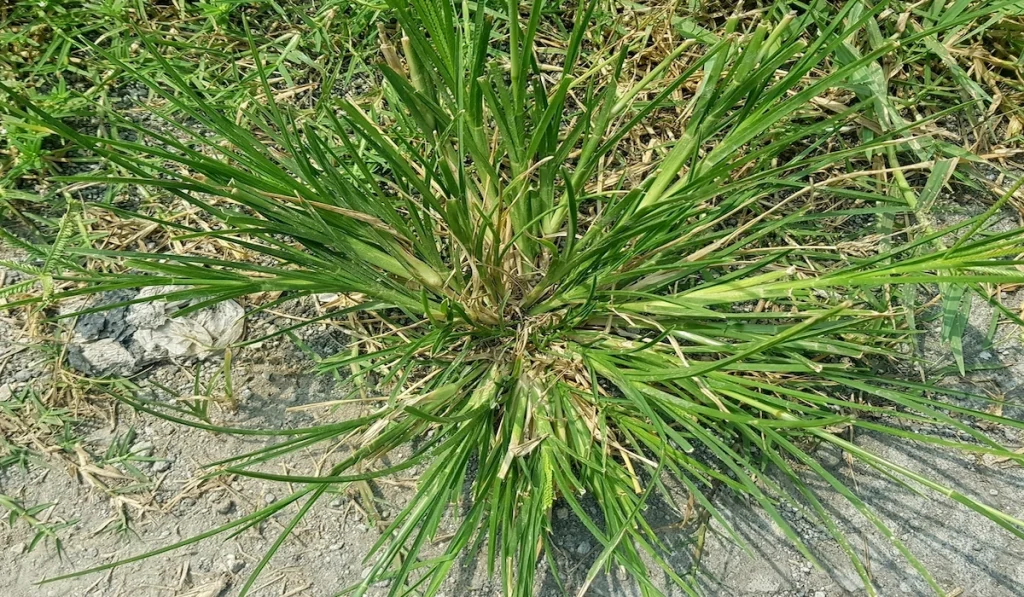
Goosegrass resembles crabgrass but is flatter and more compact. It has a distinct silvery-white centre and thrives in compacted, high-traffic areas. It germinates later in the spring than crabgrass, making staggered pre-emergent treatments necessary.
Goosegrass is especially stubborn because it can survive lower mowing heights and resists many herbicides that are effective against crabgrass.
Knotweed (Japanese and Prostrate)
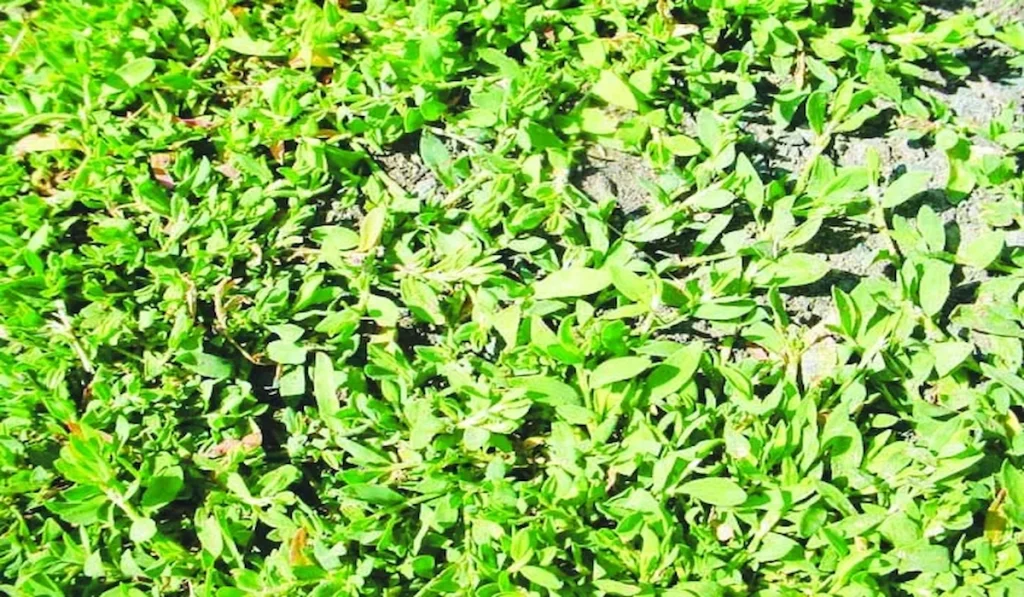
Knotweed can appear grassy in early stages and tends to grow in compacted soils, making it a common sight along driveways and walkways. Although technically not an actual grass, its mat-forming habit and wiry stems allow it to spread aggressively in stressed turf areas. Its resilience to mowing and drought conditions makes it a formidable opponent in neglected lawns.
Kyllinga
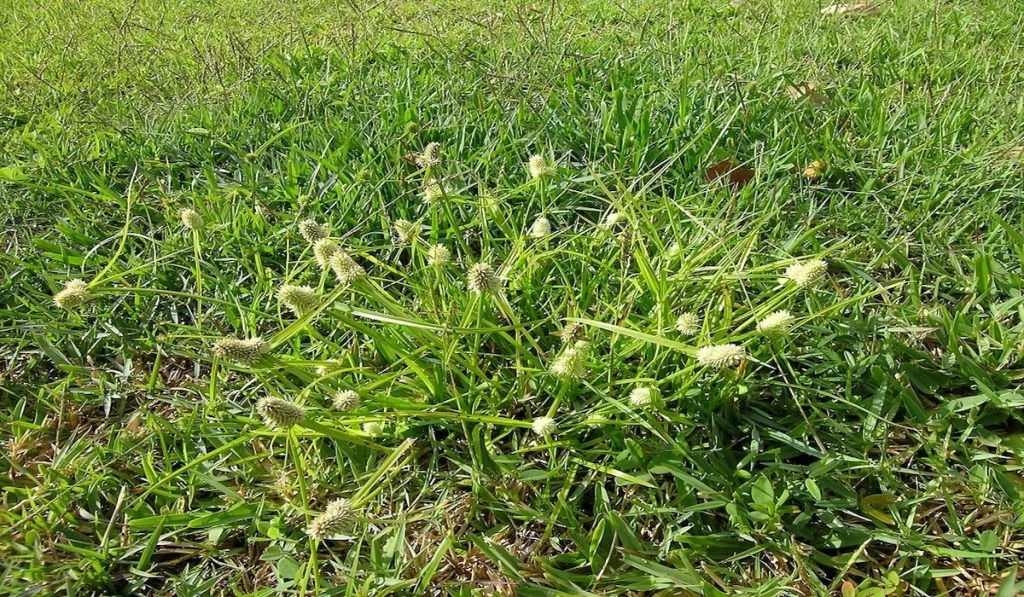
A close relative of sedges, kyllinga produces dense patches that thrive in moist or over-irrigated lawns. With bright green, narrow blades and underground rhizomes, this perennial weed is highly invasive. It’s often misidentified due to its resemblance to turfgrass, but its spiky flower heads and rapid spreading behaviour set it apart.
Quackgrass
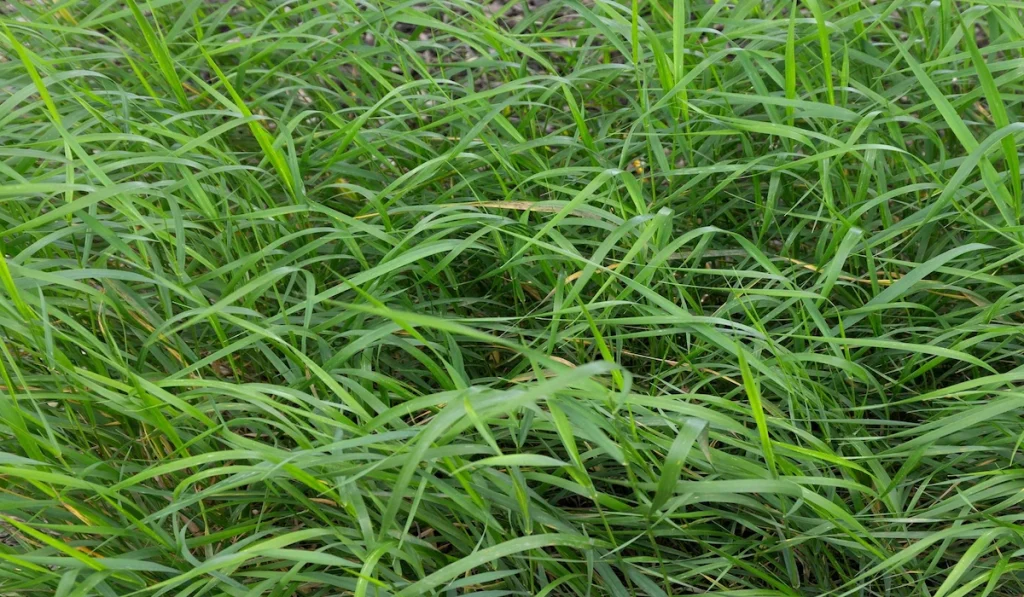
A deeply rooted perennial, quackgrass is known for its aggressive growth and tough, wiry rhizomes, which make hand removal nearly impossible. It grows tall, with thick, rough-textured leaves and can easily overtake cool-season lawns. This weed can regenerate from small root fragments, so tilling or partial removal often worsens the infestation.
Yellow Nutsedge
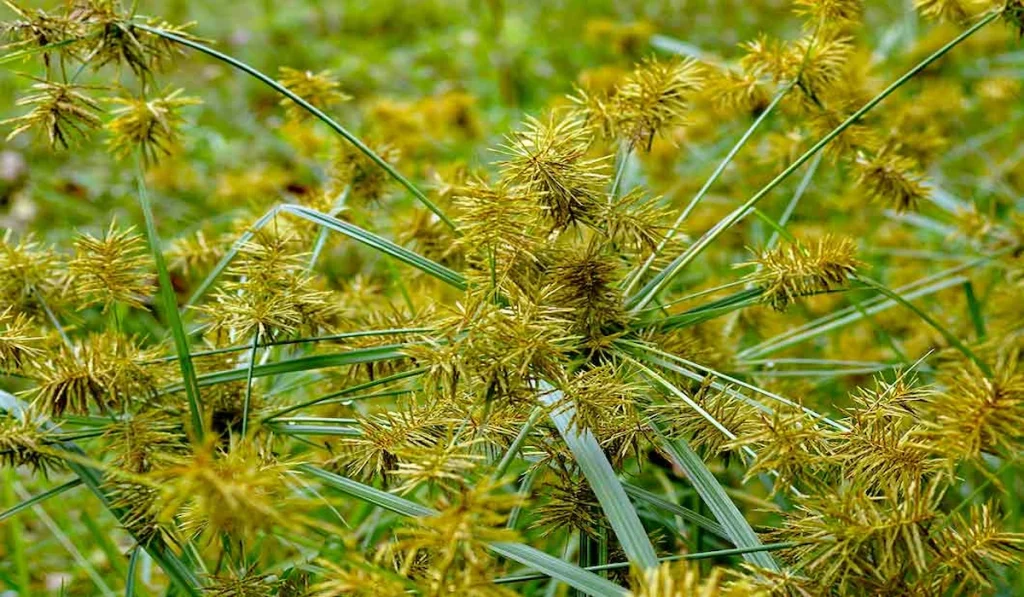
Although technically a sedge rather than a grass, yellow nutsedge is often mistaken for a grassy weed due to its appearance and behaviour. It grows faster and taller than lawn grass, with triangular stems and shiny yellow-green leaves. It thrives in wet soil and can quickly dominate areas with poor drainage.
Why Grassy Weeds Thrive in Your Lawn
Understanding the underlying causes of grassy weed infestations is key to long-term control. Here are some contributing factors:
- Compacted soil: Poor aeration limits the root growth of desirable grass while favouring weed seeds.
- Low fertility: Nutrient-poor soil weakens turfgrass, giving aggressive weeds an opening.
- Thin or patchy grass: Sparse lawns allow sunlight to reach the soil surface, encouraging weed germination.
- Inconsistent mowing: Cutting grass too short stresses your lawn and invites opportunistic weeds.
- Overwatering or poor drainage creates favourable conditions for sedges and moisture-loving weeds like kyllinga.
Effective Strategies for Grassy Weed Removal
Once you’ve identified the grassy weeds in your lawn, the next step is creating a strategy to remove them safely and effectively.
1. Pre-Emergent Herbicides
These prevent seeds from germinating in the first place and are most effective when applied early in the season before weeds sprout. Products targeting annual grassy weeds like crabgrass or foxtail are essential for spring applications. Timing is crucial—apply when soil temperatures reach 55°F for several consecutive days.
2. Post-Emergent Herbicides
These are designed to kill weeds after they’ve already emerged. For grassy weeds, you’ll need a selective post-emergent herbicide that targets the specific weed without damaging your turf. Non-selective herbicides may be necessary in isolated infestations, but should be used with caution to avoid harming surrounding grass.
3. Manual Removal
Hand-pulling is a viable option for small patches of certain perennial weeds, but care must be taken to remove the entire root system. Tools like weed knives or root extractors can help loosen soil, making complete removal more effective.
4. Soil Aeration
Compacted soil creates an ideal environment for many weeds. Aerating the lawn allows water, nutrients, and oxygen to reach the turfgrass root zone, helping it grow thicker and crowd out unwanted weeds.
5. Improve Lawn Health
A dense, healthy lawn is your best defence against grassy weeds. Proper fertilization, watering schedules, and mowing heights promote strong turf growth. Consider using organic lawn care techniques and green manure to enhance soil structure naturally.
Long-Term Prevention Tactics
Once you’ve dealt with existing weeds, ongoing prevention is critical. Here’s how to reduce the chances of future infestations:
- Mow high: Keeping your grass slightly taller shades the soil, making it harder for weed seeds to germinate.
- Water deeply but infrequently: Frequent shallow watering encourages shallow root systems in turf, making it easier for weeds to establish.
- Use proper lawn care practices: Regular overseeding, fertilization, and dethatching help maintain lawn vigor.
- Mulch exposed soil: Areas near flower beds or around trees are vulnerable—mulch helps suppress weed growth.
Conclusion
Grassy weeds may be challenging to spot and even harder to control, but with the right knowledge and timely action, you can protect your lawn from long-term damage. Understanding how these weeds grow, why they spread, and what makes them different from regular turfgrass allows you to take a more strategic approach to removal and prevention.
By combining proper identification with effective herbicides, healthy lawn care habits, and long-term maintenance, you can gradually restore balance to your yard. A dense, well-nourished lawn naturally resists weed invasions, helping you maintain the clean, green & uniform landscape you want all year round.