

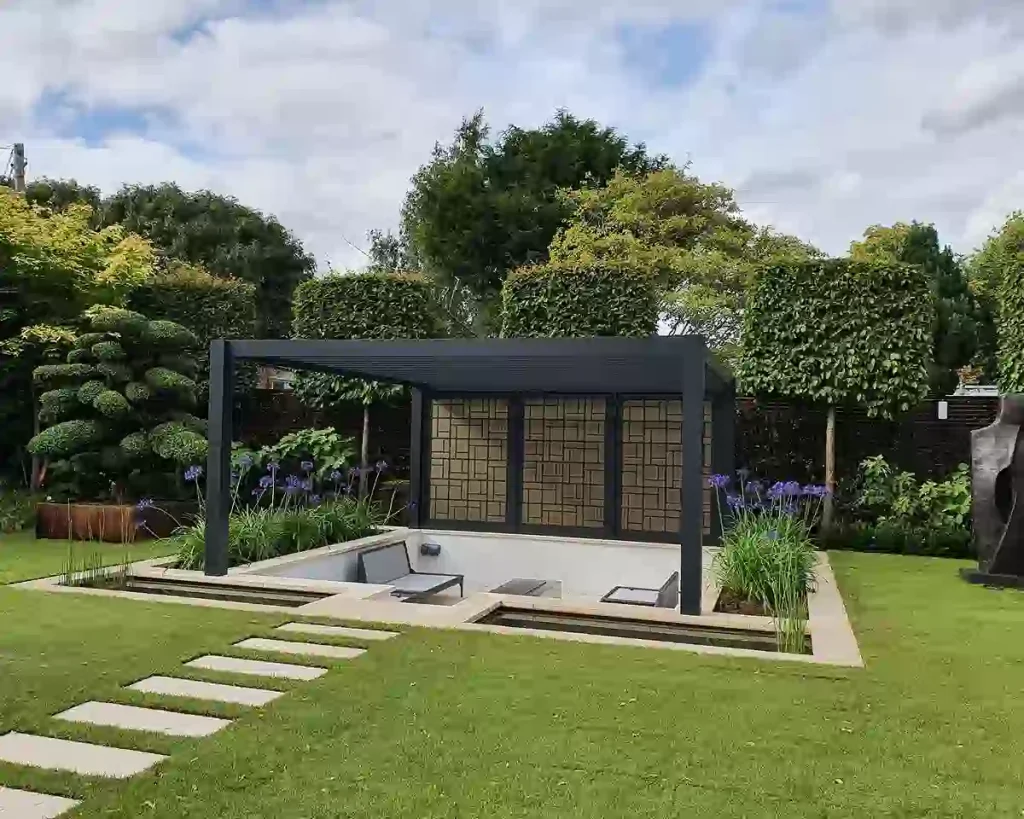
A well-designed garden is not only an outdoor sanctuary but also an extension of your home that reflects your personality and lifestyle. However, creating a space that maximizes both functionality and style can sometimes seem like a challenging task, especially when working with limited space.
Whether you have a compact urban backyard or a sprawling suburban lot, the shape and layout of your garden play a crucial role in determining its functionality, aesthetic appeal, and overall atmosphere. This guide will explore various garden shape ideas that can transform your outdoor space into a beautiful, functional retreat.
1. Curved Gardens for Flow and Softness
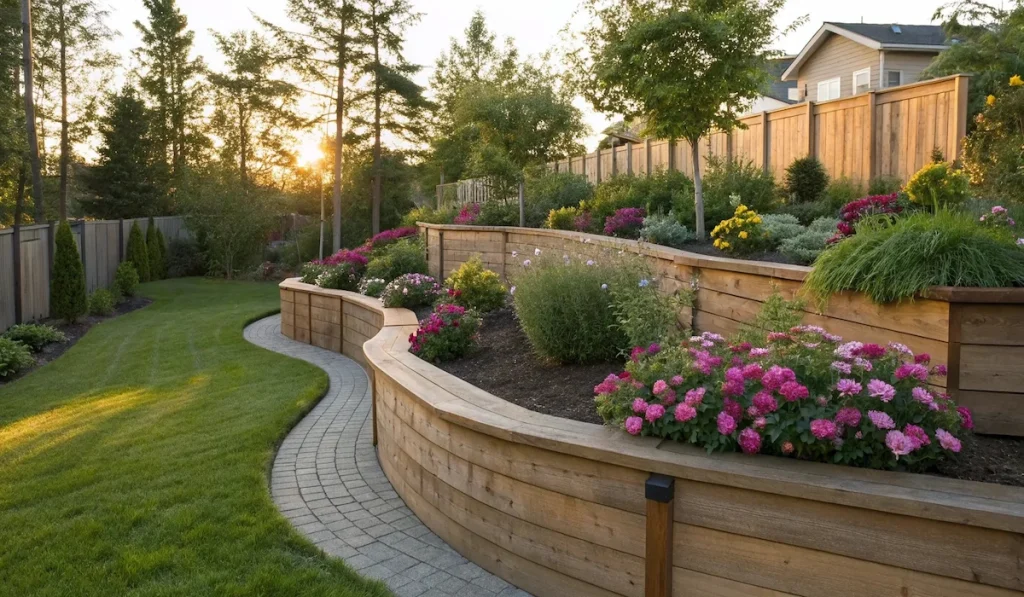
Curved garden shapes are ideal for creating a relaxed, flowing atmosphere in your outdoor space. Unlike rigid, rectangular or square layouts, curved gardens use organic lines that help soften the space, creating a sense of openness and calm. The key benefit of a curved design is its ability to blend naturally with the landscape, making the garden feel more integrated with its surroundings.
Curves can be incorporated in many ways, including curving flower beds, pathways, or garden borders. When planning a curved garden, it’s important to ensure that the curves are proportional to the size of the space. In smaller gardens, gentle curves help open up the space, giving the illusion of greater depth.
For larger gardens, more dramatic curves can be used to create distinct zones and visual interest. Incorporating a variety of plants, such as low-growing groundcovers, ornamental grasses, and flowering shrubs, can further enhance the flow and continuity of the design.
For pathways, using curved lines allows you to guide visitors through the garden in a more whimsical and less predictable way. Whether it’s a meandering garden path made from natural stones or gravel, or a curving border for flower beds, curved designs create a softer, more inviting space that encourages exploration and relaxation.
2. Raised Garden Beds
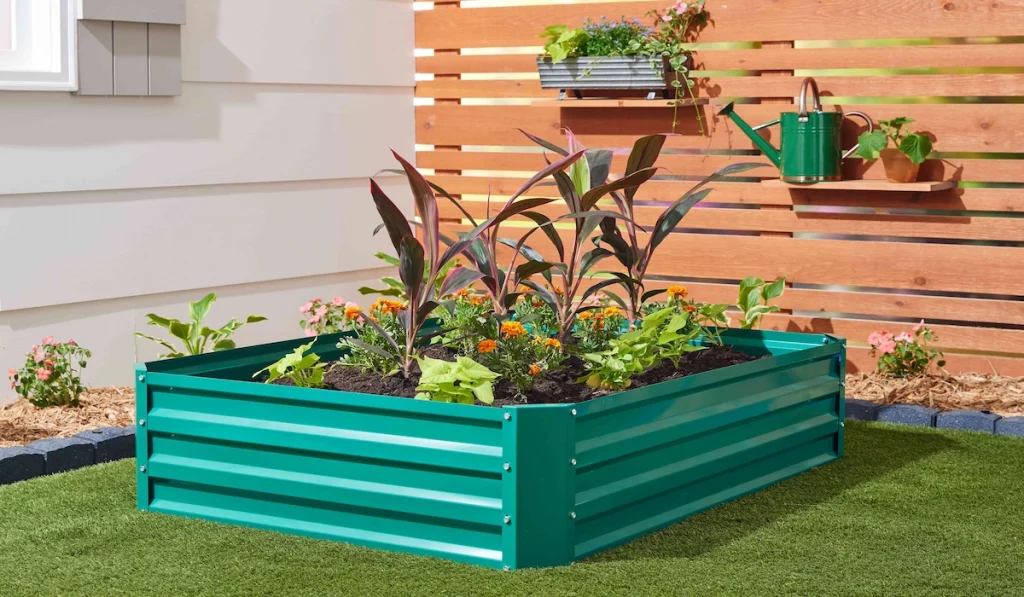
Raised garden beds are a fantastic way to maximize planting space while also providing a functional and visually appealing structure for your garden. These beds can be designed in a variety of shapes, from traditional rectangular designs to more creative, angular, or circular formations. Raised garden beds are particularly useful for gardeners looking to grow vegetables, herbs, or flowers in small or sloped spaces.
One of the main advantages of raised beds is that they make gardening easier by reducing the need to bend over and work from the ground. They also offer better drainage, which is especially beneficial in areas with heavy rainfall or poor soil conditions. The elevated height of raised beds also helps keep pests like slugs and rabbits away from plants, making them a great option for vegetable and herb gardens.
When designing raised garden beds, consider the overall shape and layout of your garden. For instance, long, narrow beds are perfect for narrow spaces like along a fence or beside a pathway, while round or square beds work well as focal points in the center of the garden. Raised beds can also be tiered or arranged in a geometric pattern to add visual interest to your garden, creating a sense of depth and dimension.
3. Circular Gardens for Focus and Symmetry
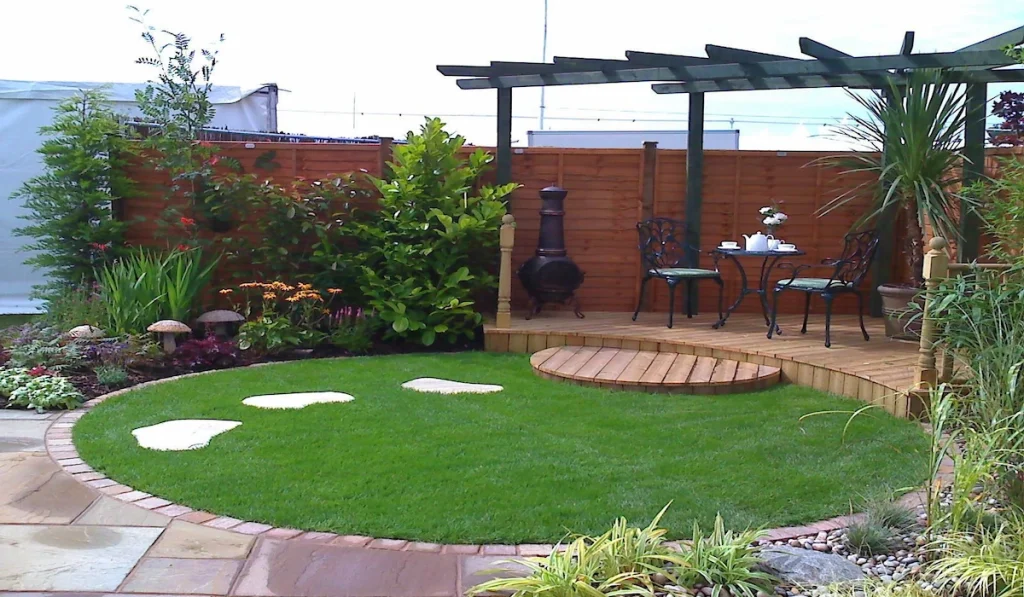
A circular garden shape is often used to create a focal point or central gathering space in the garden. This design works particularly well in the center of a yard, where it draws attention to a specific element, such as a fountain, statue, or ornamental tree. Circular garden designs can also be used to frame outdoor seating areas, creating a symmetrical and balanced atmosphere.
The key to designing a successful circular garden is ensuring that it complements the overall layout of your yard. Whether it’s a formal, manicured garden or a more relaxed, naturalistic design, the circle should feel integrated into the landscape. Circular gardens can be edged with low shrubs, flowers, or even low-maintenance groundcovers to create a clean, neat appearance. Adding curved pathways or stepping stones that radiate out from the center of the circle can enhance the symmetry and flow of the design.
If you’re working with a smaller space, a circular garden can help create a sense of openness and unity by using a minimalist approach with simple, elegant plantings. For larger spaces, a circular garden can serve as a strong focal point that anchors the entire design, offering a sense of balance and harmony. With the right plant selection, circular gardens can be both visually striking and easy to maintain.
4. Corner Garden Designs
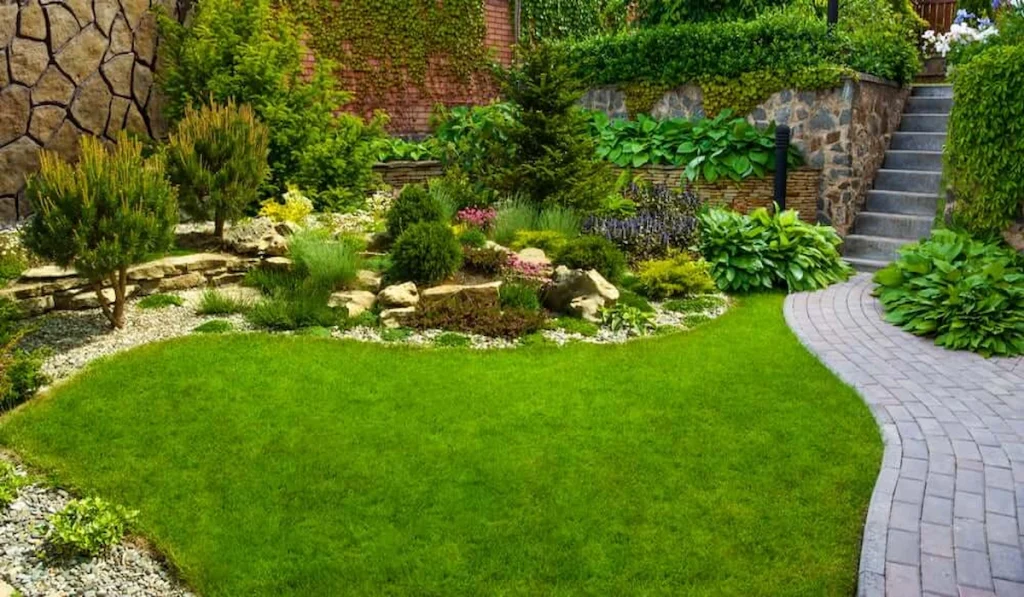
In many urban and suburban yards, the corners of the garden are often underutilized. However, with the right design, corner garden ideas can maximize the potential of these overlooked areas and add both style and functionality to your outdoor space. Corner gardens can be simple flower beds or more elaborate features like small ponds, water fountains, or trellises for climbing plants.
Corner gardens are an excellent solution for small spaces or narrow yards, as they make use of otherwise unused space. To make the most of a corner garden, consider using plants that add height and structure, such as tall grasses, climbing vines, or small trees. You can also create layers of interest by incorporating a mix of textures and colors, such as ground covers, shrubs, and flowering plants.
In addition to plants, corner gardens can be enhanced with outdoor furniture or decorative features like a birdbath, garden bench, or decorative stone. Corner garden designs can create a cozy, intimate space where you can relax or entertain, making them a great addition to any home.
5. Vertical Gardens for Limited Spaces
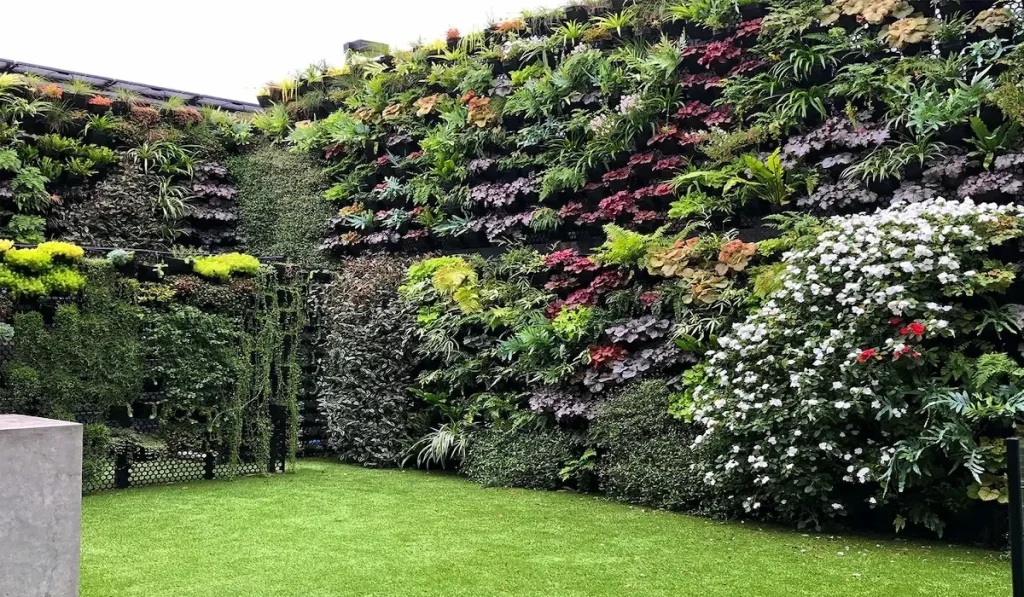
If you’re working with limited space, vertical gardening is an excellent way to maximize your garden’s potential. Vertical garden designs make use of walls, fences, or trellises to grow plants upwards rather than outwards, freeing up valuable ground space for other uses. Vertical gardening works particularly well in small backyards, balconies, or patios, where space is at a premium.
Vertical gardens can be as simple as hanging planters along a fence or using a trellis to support climbing plants like ivy, clematis, or roses. You can also create custom vertical planters using wooden frames, metal grids, or even old pallets. Another option is using modular vertical garden systems, which are pre-made containers that stack on top of one another, allowing you to grow a variety of plants in a compact space.
For a more dramatic effect, consider designing a living wall or green wall, where plants grow directly on a vertical surface. This type of design can be used as a striking focal point in your garden and offers the added benefit of improving air quality. Vertical gardens are not only functional but can also add texture and dimension to your outdoor space.
6. Tiered Garden Designs for Sloping Yards
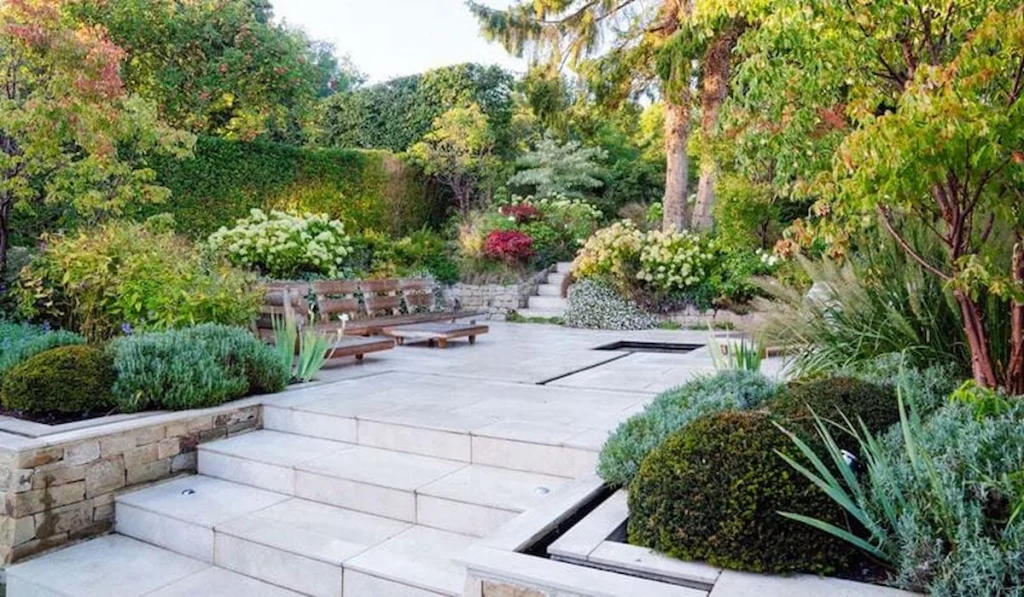
If you have a sloping yard, tiered garden designs can help make the most of the available space while providing visual interest and preventing erosion. Tiered gardens involve creating different levels or platforms that follow the natural contours of the land. These levels can be used for planting beds, seating areas, or decorative features, and they help create a more dynamic, visually appealing landscape.
Tiered gardens are often constructed using retaining walls, which help prevent soil erosion and create stable, flat areas for planting. These walls can be made from a variety of materials, such as stone, brick, or timber, depending on the desired aesthetic. Planting in tiers allows you to incorporate a wide variety of plants, from groundcovers at the bottom to taller shrubs or trees at the top.
In addition to their aesthetic appeal, tiered garden designs are also practical. They make gardening easier by reducing the need for excessive bending and provide opportunities to create different microclimates for plants with varying light and water needs. Whether you’re growing vegetables, flowers, or ornamental plants, tiered gardens offer a functional and beautiful solution for sloping yards.
7. Zen Gardens for Peace and Tranquility
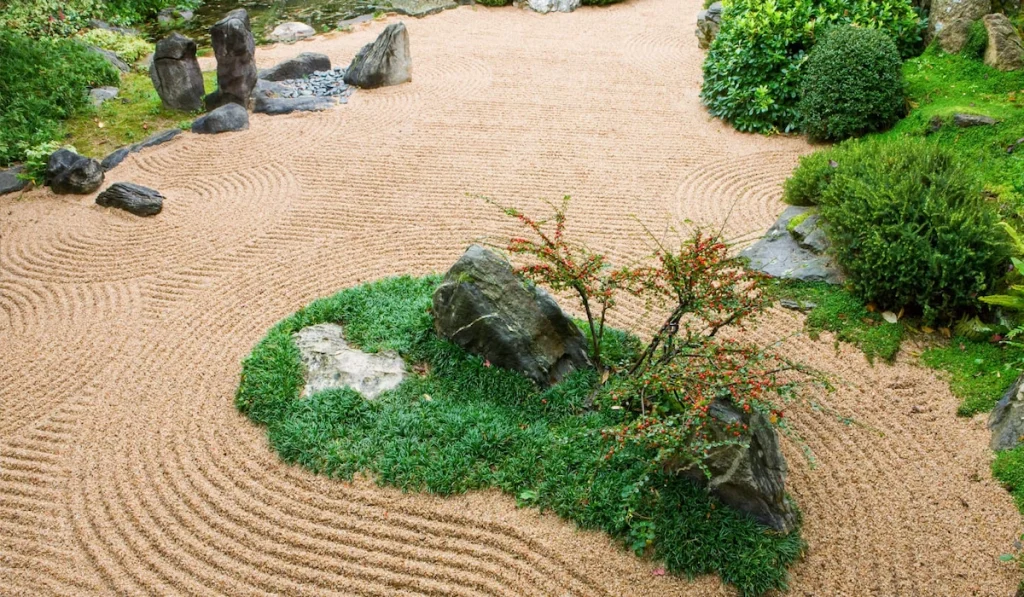
Zen gardens, also known as Japanese rock gardens, are designed to evoke a sense of peace, tranquility, and balance. These minimalist gardens are characterized by their use of rocks, sand, gravel, and sparse plantings, creating a serene, contemplative atmosphere. While they can be designed in various shapes, Zen gardens often feature a simple, clean layout with flowing lines and a focus on natural materials.
Zen gardens are perfect for small or medium-sized yards, as they don’t require extensive plantings or maintenance. The emphasis is on simplicity and harmony, with the placement of rocks and the arrangement of sand or gravel being central to the design. You can also incorporate elements like bamboo, moss, or small water features to enhance the calm and peaceful atmosphere.
Incorporating a Zen garden into your landscape provides an opportunity to create a space for reflection and mindfulness. The minimalist design encourages a peaceful atmosphere, making it a great choice for those looking to add a meditative space to their garden.
Conclusion
When designing a garden, the shape and layout are key to maximizing both space and style. By exploring different garden shapes, from curved flower beds to vertical gardens, you can create a space that is functional, aesthetically pleasing & suited to your specific needs. Whether you have a small backyard or a large outdoor space, the possibilities are endless when it comes to garden design.
By carefully considering your garden’s shape, you can transform even the smallest space into a beautiful retreat that reflects your personal style and enhances your outdoor living experience.
With the right ideas and design elements, you can create a garden that offers not only beauty and serenity but also a practical and functional environment for relaxation, entertainment, and enjoyment. For a garden that reflects your style and suits your needs, hire a professional with the experience to make it happen.