

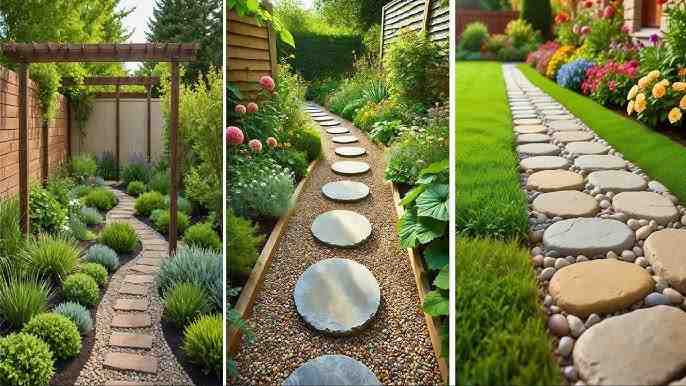
Designing a garden pathway is more than just placing stones in the ground — it’s about creating a journey through your outdoor space that blends with the surrounding environment. A well-designed walkway doesn’t just offer direction; it introduces structure, charm, and a sense of continuity to a garden.
Whether you’re navigating a sprawling backyard or a cozy courtyard, the path serves as a unifying thread that ties all the landscape elements together. The integration of natural materials such as flagstone, gravel, or wood chips can evoke a rustic, serene feel, while sleeker materials like concrete or slate offer a more modern touch.
The alignment of the path — whether meandering or direct — should reflect the character of your outdoor space. Curved walkways invite exploration and lend softness, while straight paths offer formality and efficiency. The harmony between the garden layout and the walkway determines how immersive and inviting the space feels, making the design process both aesthetic and functional in nature.
The Charm of Natural Stone Walkways
Natural stone walkways stand out for their timeless beauty and enduring strength. These paths create a graceful transition between different areas of the garden while enhancing the overall visual appeal. Whether using slate, sandstone, limestone, or fieldstone, the irregular edges and textures provide a grounded, earthy atmosphere.
They invite barefoot walks and add tactile richness to the space. Stone pathways are not just attractive but practical as well — they hold up well in various weather conditions and require minimal upkeep. The subtle color variations and textures of natural stone help them blend seamlessly into garden settings, making them ideal for both traditional and contemporary designs.
Moss and creeping groundcovers growing between stones can enhance their visual softness, making the pathway feel aged and organically part of the landscape. Such walkways suit every garden type and can be tailored in pattern and layout to guide visitors gently while preserving the landscape’s integrity.
Gravel Pathways for a Casual, Elegant Look
Gravel pathways bring a relaxed yet sophisticated feel to any garden. They are highly versatile, cost-effective, and easy to install, making them a popular choice for homeowners seeking a quick transformation. Gravel complements both structured gardens and more wild, cottage-style settings, providing a neutral backdrop that allows plants and décor to shine.
The gentle crunch underfoot adds a sensory element to the journey, enhancing the experience of strolling through the garden. Design flexibility is another major advantage — gravel paths can be straight, curved, wide, or narrow, adjusting to the natural layout without extensive excavation. Edging can be used to keep the gravel in place, whether through stone borders, timber beams, or metal strips.
Over time, the gravel may need occasional replenishing, but its low maintenance nature makes it appealing for those who want beauty without too much effort. Pairing gravel with stepping stones or using it to lead to a seating area or feature makes it both functional and visually appealing.
Stepping Stones and Their Whimsical Appeal
Stepping stone walkways inject a playful yet practical element into garden design. These individually placed stones can create a floating effect on grass, mulch, or gravel, making each step feel intentional and artistic. Their spacing can be tailored to encourage a leisurely pace, fostering relaxation and contemplation as one navigates the space. Stepping stones are ideal for connecting focal points like flower beds, water features, or garden benches.
They can also prevent wear and tear on grassy areas, directing foot traffic without overwhelming the natural setting. Materials for stepping stones range from flat river rocks and slate to handmade concrete pavers, allowing for endless customization. Shapes can vary from geometric to organic, providing either formality or fluidity depending on the desired atmosphere.
Embedding stones with groundcovers like thyme or moss adds a lush, softening touch and integrates the stones into the surrounding landscape. Stepping stones aren’t just functional — they become part of the garden’s visual narrative.
The Functionality of DIY Garden Paths
DIY garden paths empower individuals to personalize their outdoor spaces without the need for professional assistance. Creating a path by hand allows for flexibility in design, material selection, and alignment with personal aesthetics. Materials like reclaimed bricks, broken concrete, or repurposed wood not only reduce costs but also introduce unique textures and colors into the garden.
These paths can be tailored to fit compact spaces or expansive gardens, making them versatile solutions for various layouts. The DIY approach encourages experimentation, whether through mosaic-style designs, staggered stone placements, or integration with plants. A well-planned layout ensures proper drainage, stability, and comfort for walking, ensuring that the path is both beautiful and practical. Additionally, constructing a path yourself provides a sense of accomplishment and connection with the landscape.
From excavation to leveling to the final placement of each component, the process becomes a creative outlet, resulting in a walkway that feels genuinely personal and thoughtfully designed.
Integrating Landscaping with Walkway Design
A garden pathway doesn’t exist in isolation — it’s part of the larger landscape design, and its success depends on how it integrates with the surrounding elements. Plantings along a path should complement its style and function. Low-growing plants that softly spill over the edges can frame a walkway beautifully, while taller shrubs or flowers can add rhythm and vertical interest.
Lighting plays an important role in safety and ambiance, especially for paths used during evening hours. Solar-powered or low-voltage lights tucked among the foliage or along the path’s edge can enhance visibility and create a magical glow. Water features, statues, or seating areas placed along a walkway can serve as visual anchors or destinations.
The overall mood of the path should echo the theme of the garden — whether minimalist and modern, lush and tropical, or calm and meditative. Every detail, from the shape of the path to the plants that flank it, contributes to an immersive and cohesive outdoor experience.
Budget-Friendly Ideas That Don’t Compromise Style
Transforming a garden with a beautiful pathway doesn’t have to be expensive. Budget-friendly walkway ideas offer creative freedom without requiring a large investment. Using crushed gravel, mulch, or decomposed granite can provide a textured, organic surface that’s both attractive and affordable. Repurposed materials, such as old bricks, salvaged wood, or even concrete slabs, can be arranged in artistic patterns to reflect a custom look.
Painted or stenciled stepping stones allow for added personalization and flair. Even with limited resources, adding greenery around the walkway or using edging to define the path can elevate its appearance significantly. By focusing on creative layouts, layering textures, and incorporating visual contrast, you can create a garden path that looks polished without straining the budget.
With a little planning and DIY effort, these cost-effective ideas ensure that charm and functionality go hand-in-hand, proving that beauty doesn’t always come with a hefty price tag.
Enhancing Curb Appeal Through Outdoor Walkways
Garden pathways do more than guide footsteps — they shape the first impression of a home and enhance its overall curb appeal. A thoughtfully crafted walkway welcomes guests and sets the tone for the outdoor space. Whether it’s a straight path leading to the entrance or a winding trail through a flower-filled landscape, the design reflects care and attention to detail.
Pathways made from well-maintained materials suggest a tidy, organized environment, while creative layouts and materials convey personality and charm. The inclusion of landscaping, lighting, and symmetry can make the walkway a visual highlight. In homes where outdoor space is prominent, a garden path can serve as a focal point that connects the architecture with nature.
Even small touches — like decorative gravel, bordered edges, or integrated planters — can uplift the walkway’s appearance. This attention to detail not only enhances visual harmony but also adds perceived value to the property by showcasing a cohesive and inviting outdoor environment.
Blending Decorative and Functional Elements
A successful garden walkway achieves a balance between decoration and functionality. While it must serve a practical purpose, its design should also contribute to the garden’s aesthetics. Decorative elements like mosaics, stamped concrete patterns, or embedded tiles can transform an ordinary path into a piece of art. Functional features such as non-slip textures, proper drainage, and level footing ensure safety and longevity.
Choosing the right combination of materials is essential — for instance, smooth stones can be made slip-resistant with textured finishes, while composite materials offer both durability and visual appeal. Integrating seating areas, arches, or trellises along the path creates opportunities for rest and enjoyment, turning a basic route into a sensory journey.
Planting fragrant herbs or flowers nearby can enrich the experience further, making each walk a delight. Whether bold or subtle, the decorative features should align with the path’s primary function — guiding movement comfortably while enhancing the beauty of the garden.
If you’re thinking about starting fresh with a new outdoor space and need to move on from your current property quickly, consider exploring your options here.