

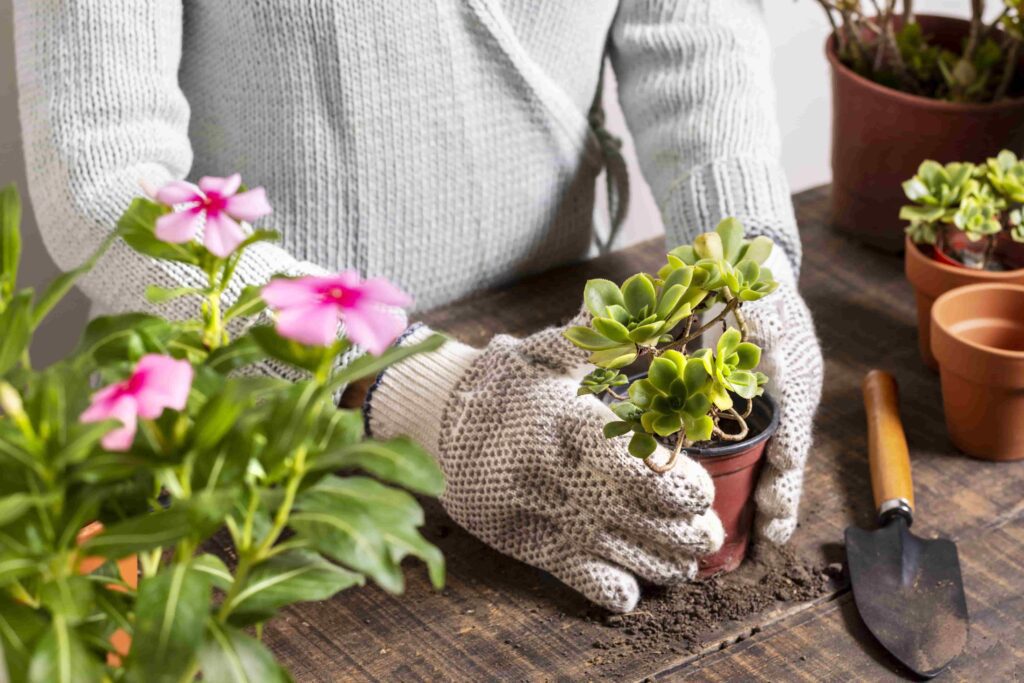
Flower bulbs are a fantastic way to add beauty and colour to your garden. They are easy to plant and maintain, and most return year after year with minimal effort. Whether you’re growing tulips, daffodils, gladiolus, or any other bulb, knowing how to plant, care for, and transplant them is key to keeping your garden thriving season after season.
Types of Flower Bulbs
Flower bulbs come in many types, each with specific needs. Some are better suited for colder climates, while others thrive in warmer regions. Below are the most common types of flower bulbs that are easy to grow and care for.
1. Tulips
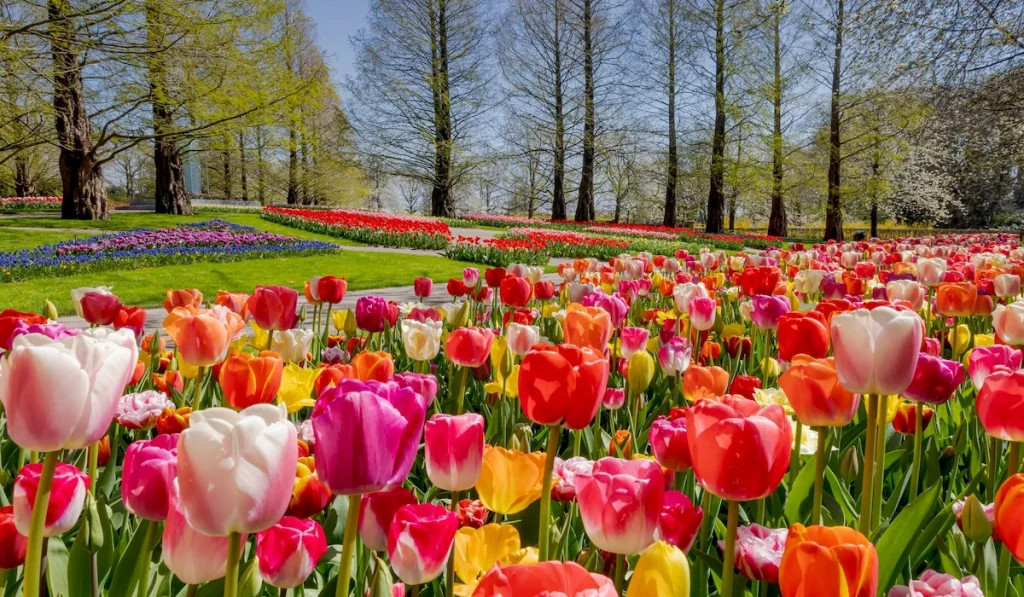
Tulips are one of the most popular bulbs, loved for their vibrant colours and variety of shapes. These flowers are often seen as the first sign of spring, blooming in almost every colour imaginable. Tulips grow best in well-drained soil and can be planted in the fall for a spring display.
2. Daffodils
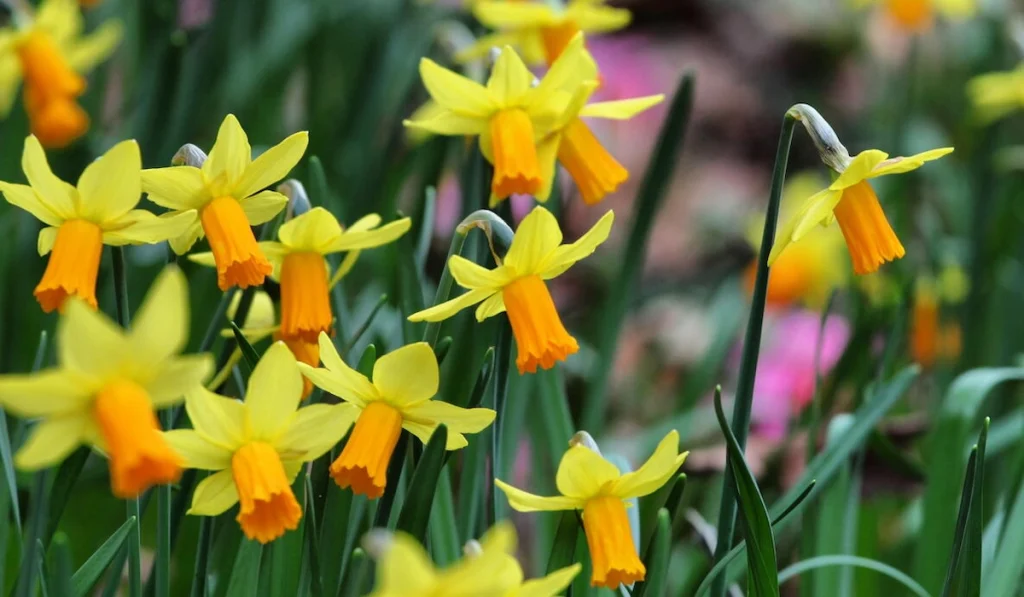
Daffodils, with their bright yellow blooms, are another favourite in many gardens. These flowers are hardy and can grow in a range of climates, making them easy to care for. They are perfect for naturalising, meaning they will come back year after year with little attention.
3. Gladiolus
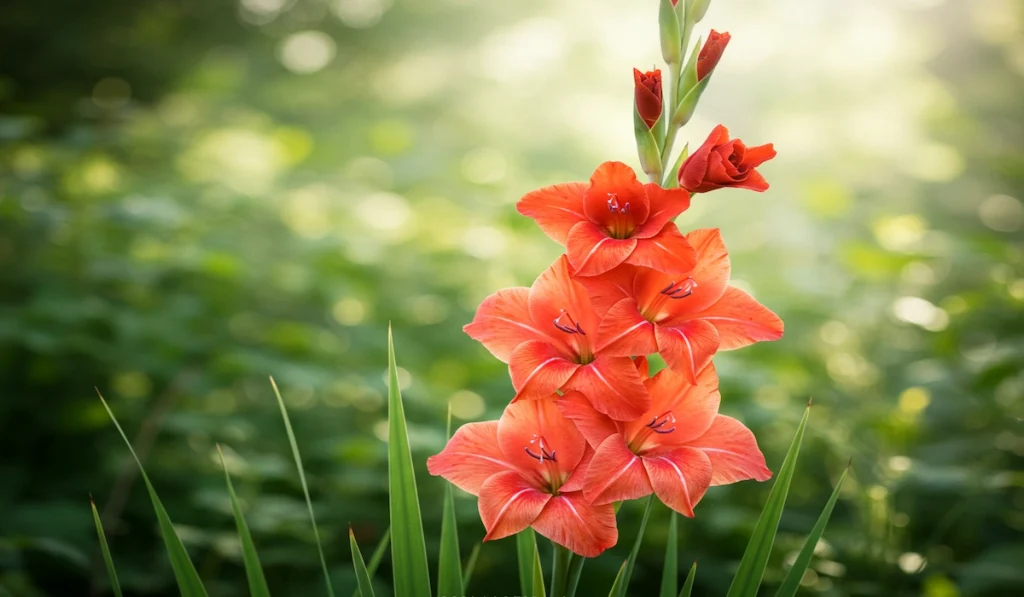
Gladiolus flowers grow tall and come in a variety of colours. Their spiky blooms make them ideal for adding height and drama to the garden. Gladiolus are summer bloomers and should be planted in the spring once the soil has warmed.
4. Alliums
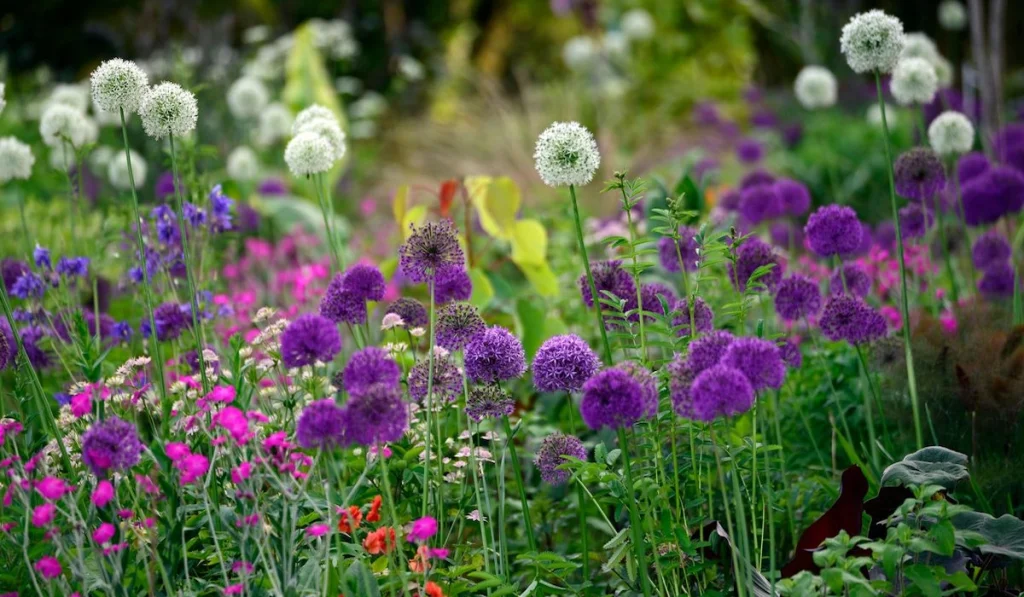
Alliums are unique bulbs that produce globe-shaped flowers on tall stems. These bulbs come in various sizes, from small to large, and their striking appearance makes them a showstopper in any garden. Alliums are also effective at attracting pollinators, including bees and butterflies.
5. Other Bulbs
- Crocuses: Early bloomers that signal the end of winter. They add a pop of colour in late winter or early spring.
- Hyacinths: Known for their sweet fragrance, hyacinths bloom in the spring and come in many colours.
- Lilies: Summer-blooming bulbs that add elegance and fragrance to the garden. They thrive in sunny, well-drained areas.
When and How to Dig Up Bulbs
Digging up bulbs at the right time is essential for their health and growth. If you leave them in the ground too long, they may become overcrowded or rot. Here’s how to dig up and store your bulbs.
1. When to Dig Up Bulbs
- Daffodils and Other Spring-Blooming Bulbs: After they have finished blooming and the leaves turn yellow, it’s time to dig them up. This usually happens in late spring or early summer.
- Summer-Blooming Bulbs: These should be dug up after they finish blooming, typically in the fall, before the first frost.
2. How to Dig Up Bulbs
- Use a garden fork or spade to loosen the soil around the bulb gently. Be careful not to damage the bulb.
- Once the bulb is free, shake off any excess soil and allow it to dry in a cool, dry place. This helps to prevent mould and rot during storage.
Storing Bulbs for the Winter
In colder climates, many bulbs can stay in the ground all winter. However, if you live in a warm environment, you may need to store your bulbs during the off-season. Here’s how to store them correctly:
1. How to Store Bulbs
- Cool and Dry: Store bulbs in a cool, dry place. Avoid locations that are too humid, as moisture can cause the bulbs to rot.
- Containers: Store your bulbs in a cardboard box, paper bag, or any container that allows air circulation. You can also line the container with dry peat moss or sawdust to absorb excess moisture.
2. Checking Bulbs Before Replanting
Before you replant your bulbs, check them for any signs of rot or disease. Healthy bulbs should be firm and free of soft spots. If any bulbs look unhealthy, discard them and use fresh bulbs for the new season.
Planting Bulbs for Every Season
For a garden that blooms year-round, plan your bulb planting carefully. Different bulbs should be planted at other times of the year to ensure a continuous display of colour. Here’s a breakdown of when to grow various types of bulbs.
1. Spring-Blooming Bulbs
Spring-blooming bulbs like tulips, daffodils, and crocuses should be planted in the fall, before the ground freezes. This allows the bulbs to establish roots and prepare for blooming in the spring.
2. Summer-Blooming Bulbs
Summer-blooming bulbs, such as lilies and gladiolus, should be planted in early spring after the last frost. These bulbs need warm soil to grow and bloom during the summer months.
3. Stagger Your Plantings
If you want flowers in your garden throughout the growing season, stagger your plantings:
- Early-Blooming: Crocuses and hyacinths will be the first to bloom in late winter or early spring.
- Mid-Season: Tulips, daffodils, and other spring bulbs will bloom as the weather warms up.
- Late-Season: Lilies and gladiolus will bloom in the summer and fall, extending the growing season.
Transplanting and Replanting Bulbs
Over time, bulbs can become overcrowded and need to be divided and transplanted to keep growing strong. Here’s how to transplant your bulbs.
1. When to Transplant Bulbs
Bulbs like daffodils can become crowded as they multiply over the years. It’s a good idea to dig up and divide the bulbs every 3 to 5 years to ensure they have enough space to grow.
2. How to Transplant Bulbs
- Carefully dig up the bulbs and gently separate them. Each bulb should have a healthy root system.
- Replant the bulbs in a new location, ensuring they have enough space to grow. When planting, place the pointed end of the bulb facing upwards.
- The planting depth should be approximately 2-3 times the bulb’s height.
Additional Care Tips for Flower Bulbs
While flower bulbs are generally easy to care for, here are some additional tips to help your bulbs thrive:
1. Well-Drained Soil
Bulbs don’t like to sit in waterlogged soil. Make sure your soil is well-drained to prevent rot. If your soil is heavy or clay-like, consider planting bulbs in raised beds or amending the soil with organic matter to improve drainage.
2. Fertilisation
Apply a balanced fertiliser in the spring, just before the bulbs start to emerge. This will give your bulbs the nutrients they need for strong growth. Be careful not to over-fertilise, as this can lead to excessive foliage growth at the expense of flowers.
3. Protect from Pests
Pests like squirrels, deer, and rodents may damage your bulbs. To protect your bulbs, try planting them in areas less accessible to animals or use natural repellents. You can also cover the bulbs with a layer of mulch to protect them from being dug up.
Conclusion
By following these simple steps for planting, caring for, and transplanting flower bulbs, you can enjoy beautiful blooms in your garden year after year. With a bit of attention and care, your garden will be filled with vibrant colours, bringing joy and beauty to your outdoor space.
Looking to transform your outdoor space? Hire a professional team at Dreamscapes Florida for expert landscape design, installation, lawn care, and more. Contact us today to bring your dream garden to life!