

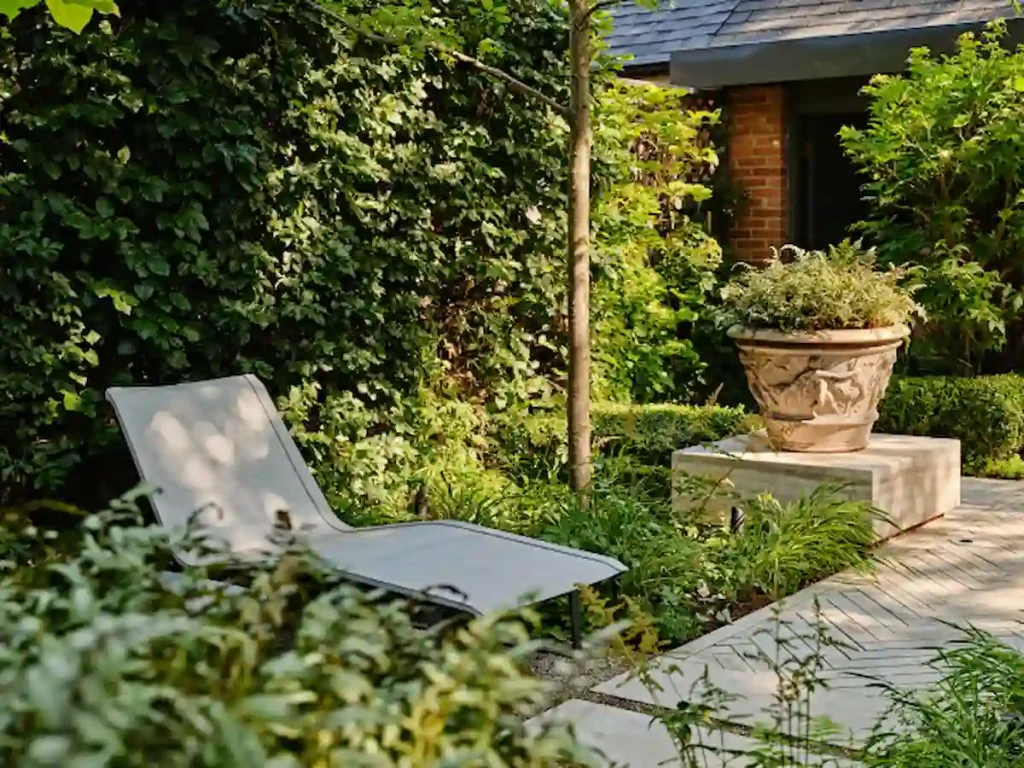
Many gardens have areas that receive little sunlight. These shady spots are often ignored, but they can become some of the most peaceful and beautiful parts of a yard. With the right plants and a simple design, a shade garden can look full, green, and inviting.
A shade garden focuses on plants that grow well in low-light conditions. These plants often have rich green leaves, interesting textures, and soft colors. They can turn a dark corner of your yard into a cool and relaxing space.
Shade gardens are also easier to maintain in many cases. The soil usually stays moist longer, and plants are less likely to dry out during hot weather.
Understanding Different Types of Shade
Before planting, it is important to know what type of shade your garden has. Not all shaded areas are the same.
Full Shade
Full shade areas receive very little direct sunlight during the day. These spaces are usually under thick trees, beside tall buildings, or along north-facing walls.
Plants that grow here must be able to live with very little light.
Partial Shade
Partial shade areas receive around three to four hours of sunlight each day. This is common near fences, trees with lighter branches, or buildings that block the sun for part of the day.
Many shade plants grow very well in this type of light.
Dappled Shade
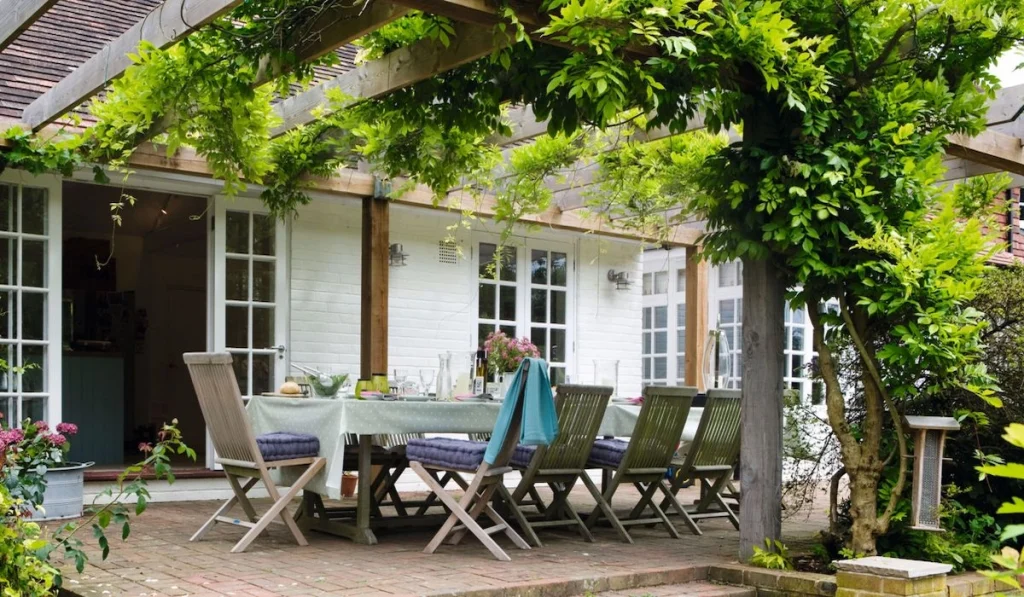
Dappled shade happens when sunlight passes through tree branches and leaves. The light moves across the ground during the day.
This type of shade is often perfect for woodland plants.
Planning Your Shade Garden Design
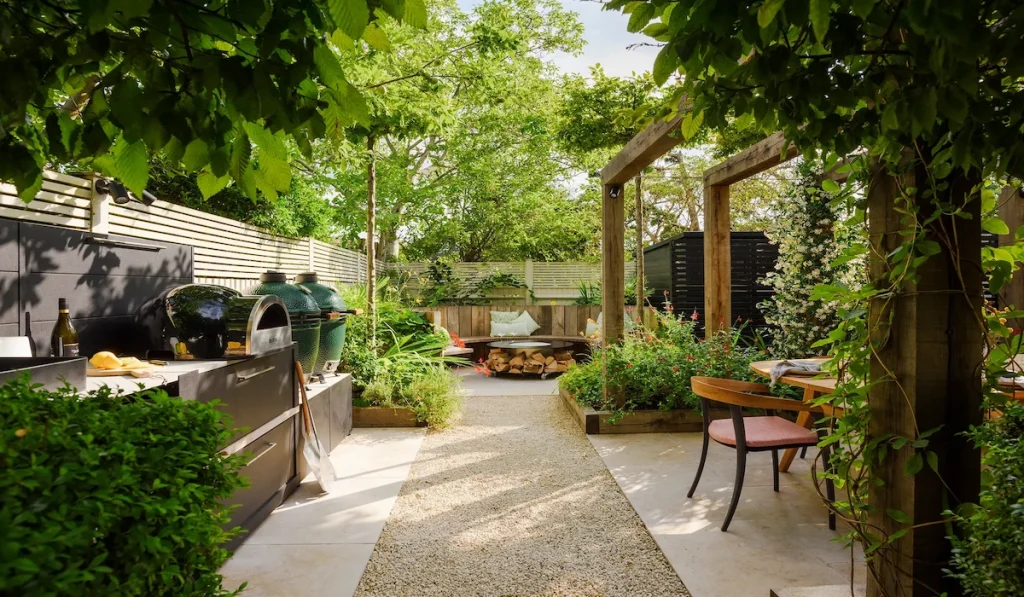
A good plan helps your shade garden look natural and balanced.
Start by studying the space. Notice where the shade is deepest and where a little sunlight appears during the day. Also check how wet or dry the soil feels.
Next, think about how you want the garden to look. Some people like a natural woodland style, while others prefer a neat garden with clear borders.
Planting in layers can make the space look full and lively. Taller plants can go in the back, medium plants in the middle, and low plants or ground covers in the front.
Paths, stones, or small seating areas can also make the garden feel welcoming.
Best Plants for a Shade Garden
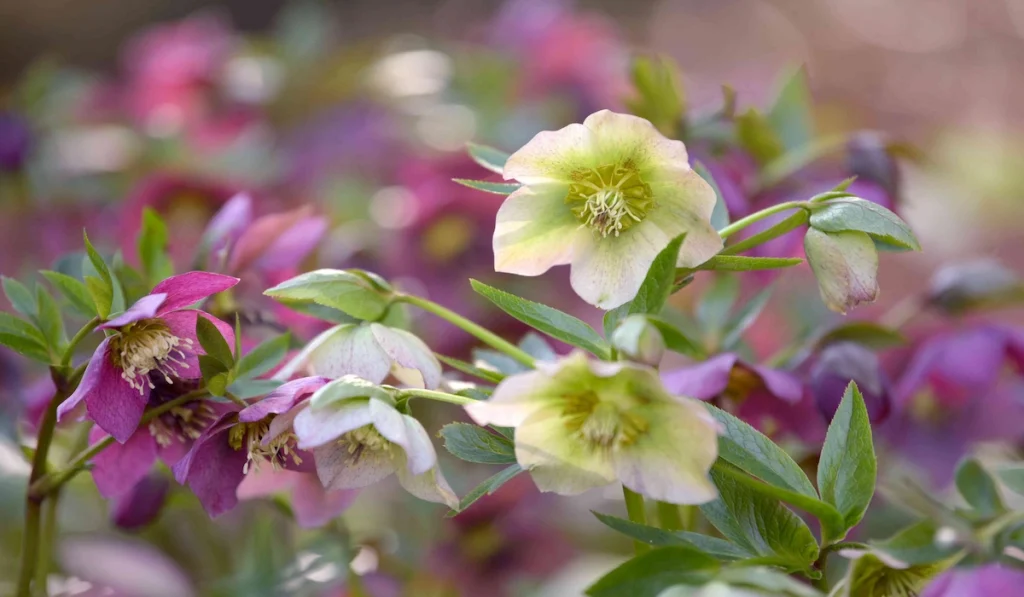
The right plants are the key to a successful shade garden. Many plants grow well without strong sunlight.
Shade Loving Flowers
Some flowers bloom beautifully in shady areas. These flowers can bring gentle color to your garden even without full sun.
Look for flowers known to grow well in cool, shaded spaces.
Shade Perennials
Perennials are plants that return every year. They are a great choice for shade gardens because they grow stronger over time and require less replanting.
Many shade perennials have large leaves that add texture and depth to the garden.
Shade Tolerant Shrubs
Shrubs help give a garden structure. They add height and shape while also filling empty spaces.
A few well-placed shrubs can make a shade garden look organized and balanced.
Ground Cover Plants
Ground cover plants spread across the soil and fill open areas. They help stop weeds and keep the soil moist.
They also create a soft green carpet that makes the garden feel calm and natural.
Designing a Visually Attractive Shade Garden
Even without bright sunlight, a shade garden can still be very eye-catching.
Focus on different leaf shapes, sizes, and colors. Some plants have deep green leaves, while others have lighter or even patterned foliage. Mixing these plants together adds interest.
Try combining tall plants with medium and small ones. This creates layers and makes the garden look fuller.
Borders along paths or edges can help define the space. Stones, wooden edges, or low plants can work well for this.
Adding a small path, bench, or birdbath can also make the garden more enjoyable.
Improving Soil for Shade Gardens
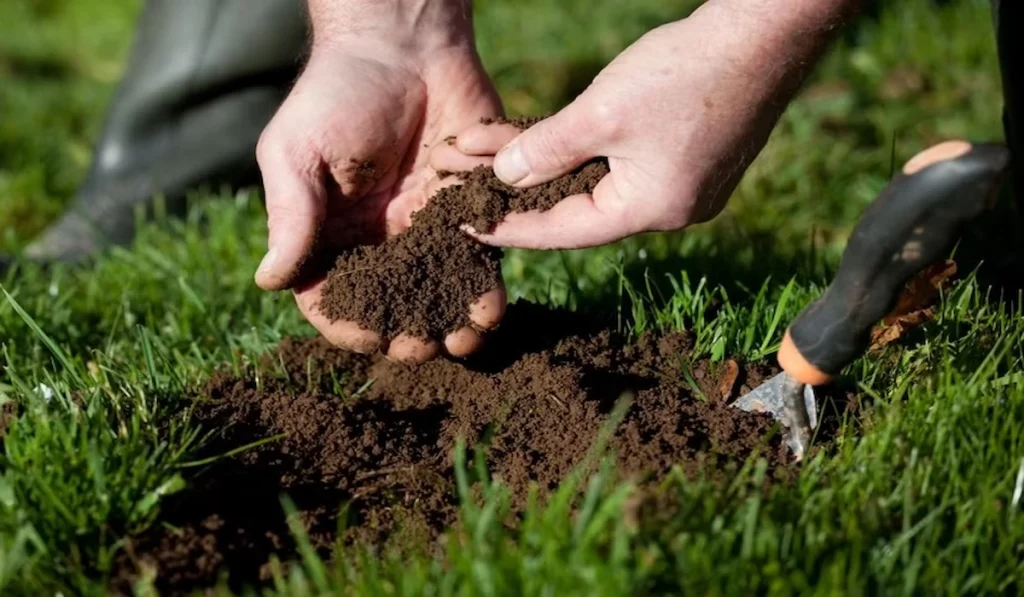
Soil health plays a big role in how well plants grow.
Shaded soil often holds more moisture because the sun does not dry it quickly. This can be helpful, but good drainage is still important.
Adding compost or other organic matter helps improve soil quality. It provides nutrients and makes the soil softer, allowing roots to grow easily.
Mulch can also help keep the soil cool and moist.
Shade Garden Maintenance Tips
Taking care of a shade garden is usually simple.
Water plants when the soil begins to dry, but avoid overwatering. Too much water can harm plant roots.
Mulch helps keep moisture in the soil and prevents weeds from growing.
Trim plants when they become too large or when old leaves begin to fade. This keeps the garden looking fresh and healthy.
Check plants from time to time for pests or damage so small problems do not grow bigger.
Creative Shade Garden Ideas
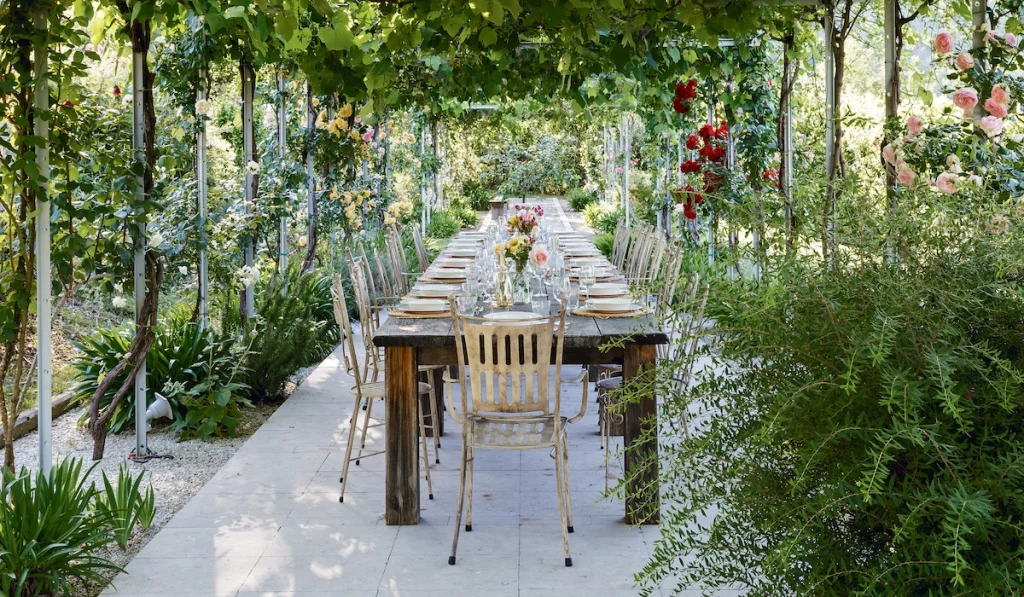
There are many ways to make a shade garden unique.
A woodland-style garden can look very natural, with plants growing in soft layers under trees.
Small shady corners can become peaceful reading spots with a bench or chair.
Containers filled with shade plants can also brighten patios, porches, or walkways.
Decorative stones, small fountains, or garden lights can make the space feel warm and inviting in the evening.
Common Mistakes to Avoid
Some common mistakes can make shade gardening harder than it needs to be.
One mistake is choosing plants that require full sun. These plants often struggle in low light.
Another mistake is planting too close together. Plants need space to grow and spread.
Ignoring soil quality can also cause problems. Healthy soil helps plants grow stronger and live longer.
Taking a little time to plan can prevent most of these issues.
Conclusion
A shade garden can turn a quiet, dark corner of your yard into a peaceful and beautiful space. With the right plants, good soil, and a simple design, even the shadiest area can come to life.
By choosing shade-friendly plants and arranging them in layers, you can create a garden that feels cool, green, and relaxing throughout the year.
With a bit of care and creativity, your shade garden can become one of the most enjoyable parts of your outdoor space.