

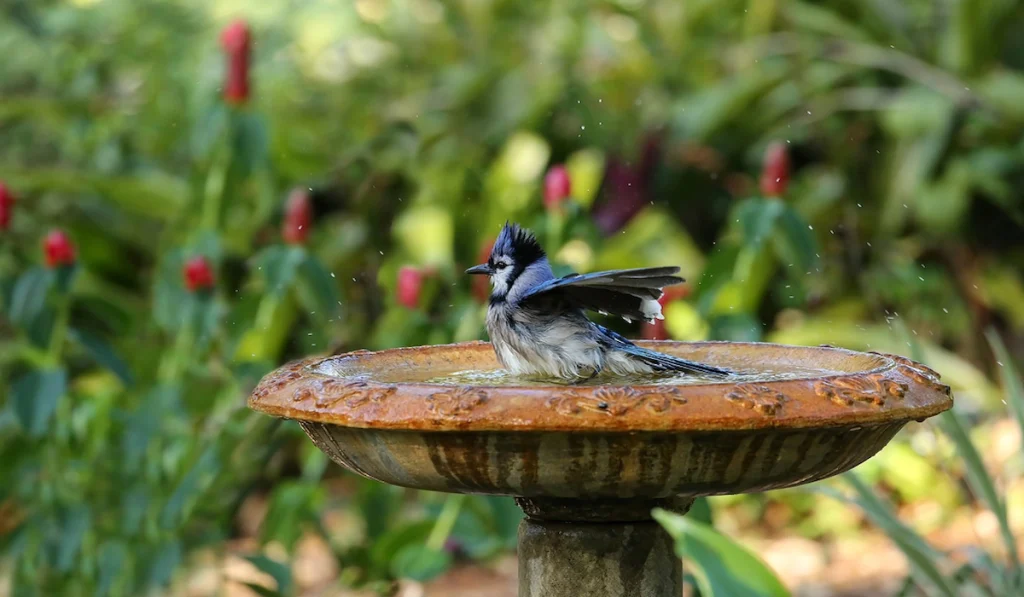
Birdwatching is an enriching experience that brings you closer to nature while enhancing the beauty of your garden. Attracting birds can make your outdoor space feel more vibrant, peaceful, and alive. Whether you’re an avid birdwatcher or simply looking to add more life to your garden, creating a bird-friendly environment can be a fulfilling project.
Birds are essential to garden health, helping with pest control, pollination, and seed dispersal. In this article, we’ll explore how to make your garden an ideal habitat for birds by providing food, water, shelter, and nesting opportunities.
Creating the Right Habitat for Birds
To attract birds, it’s crucial to understand their basic needs. Just like any other living creature, birds need food, water, shelter, and a safe place to breed. By meeting these essential requirements, you can easily turn your garden into a haven for local bird species.
1. Providing Food Sources for Birds
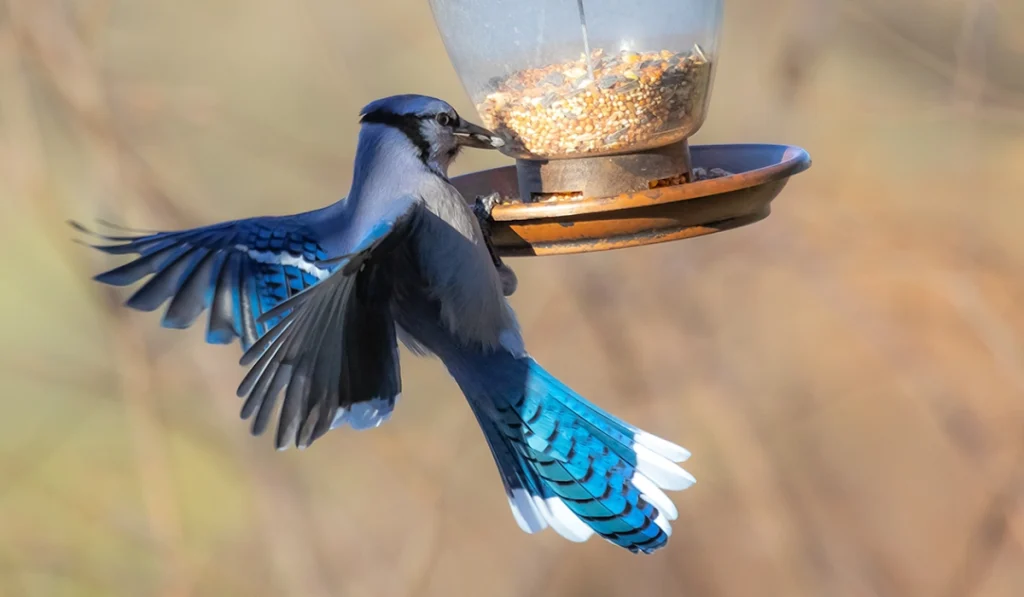
Birds are naturally attracted to gardens that offer a variety of food. A range of food options will help you attract different species, each with its specific preferences. When setting up a food supply, consider various types of feeders, each serving a particular purpose.
For example, seed feeders are popular with many bird species, such as finches, sparrows, and cardinals. An excellent choice for these feeders is black oil sunflower seeds, which are high in fat and provide essential energy. The seeds are easy for most birds to consume, making them a popular option.
If you’re in a colder region, suet feeders can be a lifesaver for birds like woodpeckers, nuthatches, and chickadees. Suet, a high-fat food, helps birds maintain their energy during the winter months when food can be scarce.
2. Offering Fresh Water
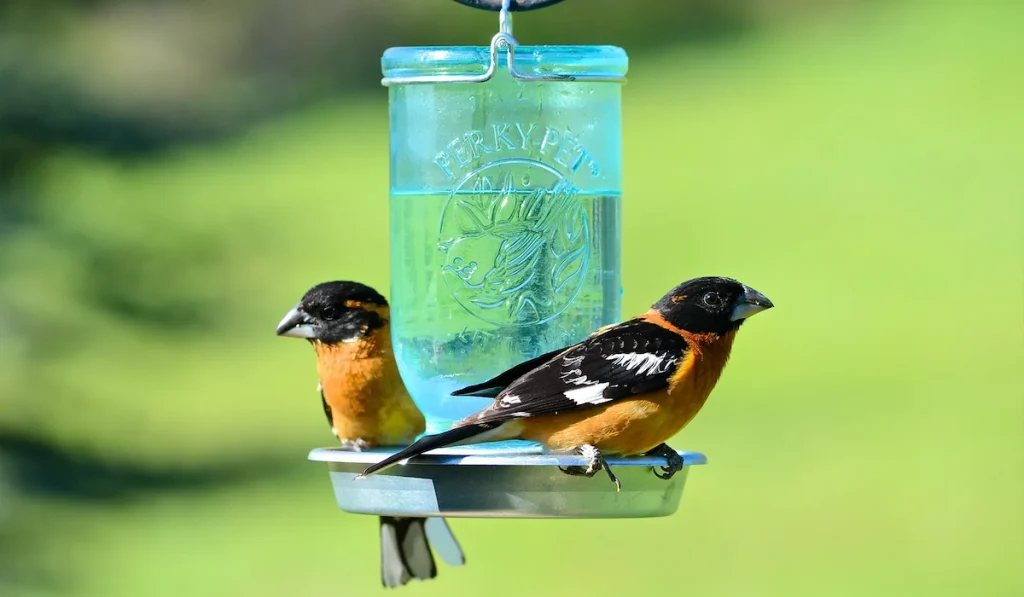
Water is just as important as food for attracting birds to your garden. Birds need water to drink, bathe, and preen their feathers. Without a fresh water source, even the most bird-friendly gardens may struggle to attract a variety of species.
A birdbath is one of the simplest ways to provide water. It’s essential to keep the water shallow, ensuring it’s no deeper than 2 or 3 inches. Shallow water allows birds to bathe safely and drink without risk of drowning.
However, the key to attracting birds with water is cleanliness. Birds avoid dirty water, so it’s vital to clean your birdbath regularly. This prevents the spread of diseases and keeps the water appealing to the birds. In winter, water can freeze, which is why heated birdbaths are an excellent option in colder regions. These devices ensure that birds always have access to liquid water, even when temperatures drop.
3. Providing Shelter and Safe Spaces
Once you’ve provided food and water, the next step is ensuring that birds have a safe place to rest and hide from predators. A garden with adequate shelter can offer birds a sense of security and encourage them to spend more time there. Birds feel safer when they have access to dense foliage, tall trees, and shrubs that can protect them from both predators and harsh weather.
4. Planting Trees and Shrubs
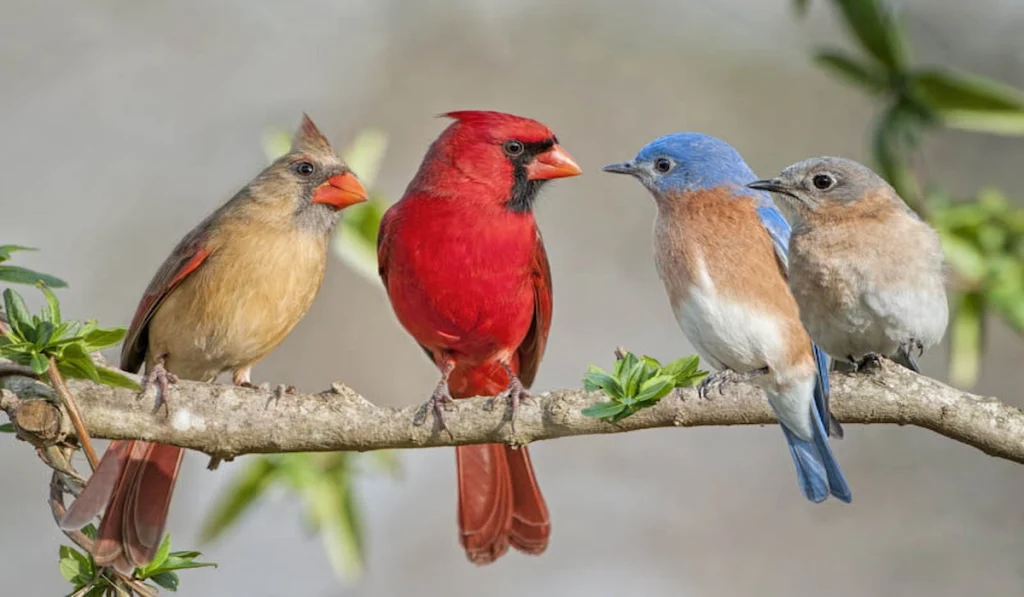
To make your garden more bird-friendly, you can plant a variety of trees and shrubs that will provide birds with both shelter and food. Evergreens like pines, firs, and spruces are perfect for year-round shelter, as they protect from wind and rain, even during the cold winter months.
Deciduous trees, such as oaks, maples, and birches, are also great options, as they offer birds shelter during the warmer seasons, while their fallen leaves create a natural ground cover.
In addition to trees, shrubs play an essential role in providing shelter for birds. Dense, low-growing shrubs give birds a safe place to hide from predators, especially during nesting season.
Some bird species, like sparrows, prefer to nest in shrubs where they feel protected. Native shrubs such as elderberries, dogwoods, and sumac are excellent choices because they provide both shelter and berries, which are a natural food source.
5. Adding Nesting Boxes and Birdhouses
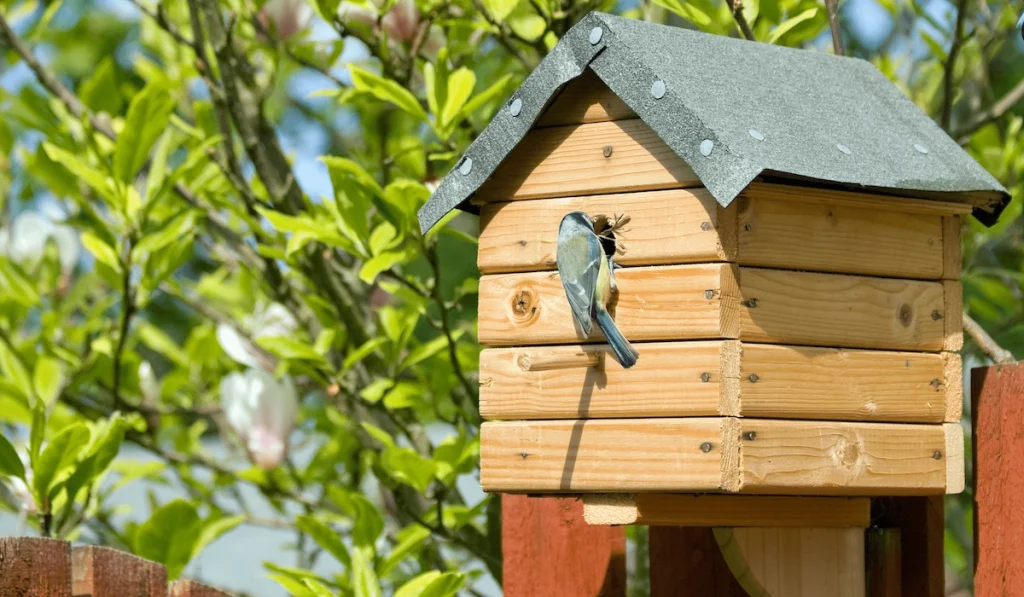
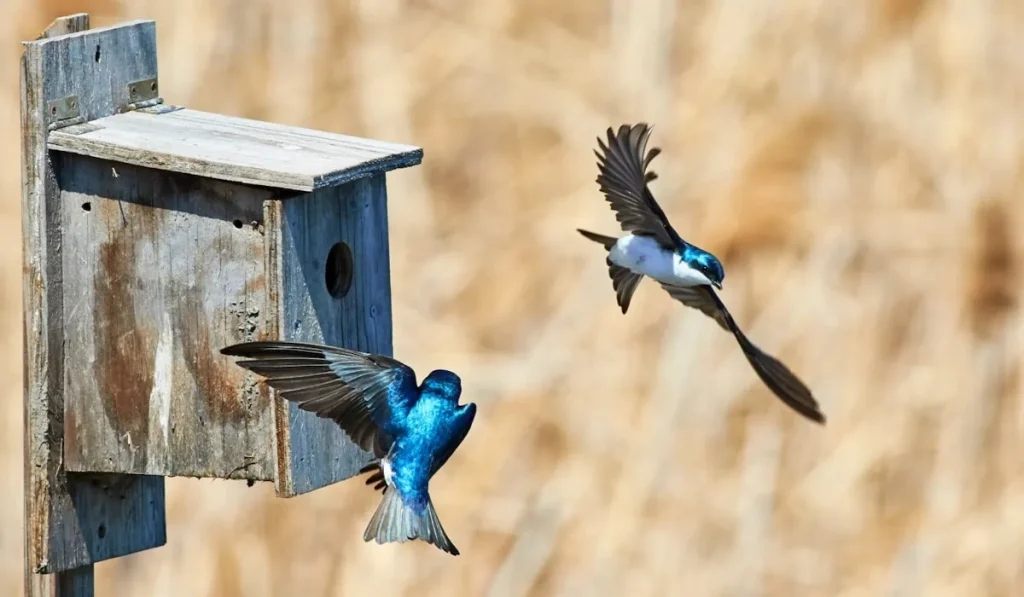
Nesting sites are another critical need for attracting birds to your garden. Many species of birds, such as blue tits, chickadees, and swallows, are more likely to settle in your garden if you provide them with suitable nesting opportunities.
One way to do this is by installing nesting boxes or birdhouses. Make sure to choose the right type of birdhouse for the birds in your area. Some birds prefer enclosed birdhouses with small entry holes, while others, like the house sparrow, like larger, open nesting boxes.
A well-placed birdhouse can be an ideal spot for birds to build their nests and raise their young. It’s essential to clean birdhouses after each breeding season to prevent the build-up of parasites or diseases. Also, try to position birdhouses in quiet, undisturbed parts of your garden, away from high-traffic or frequently used areas.
6. Protecting Birds from Predators
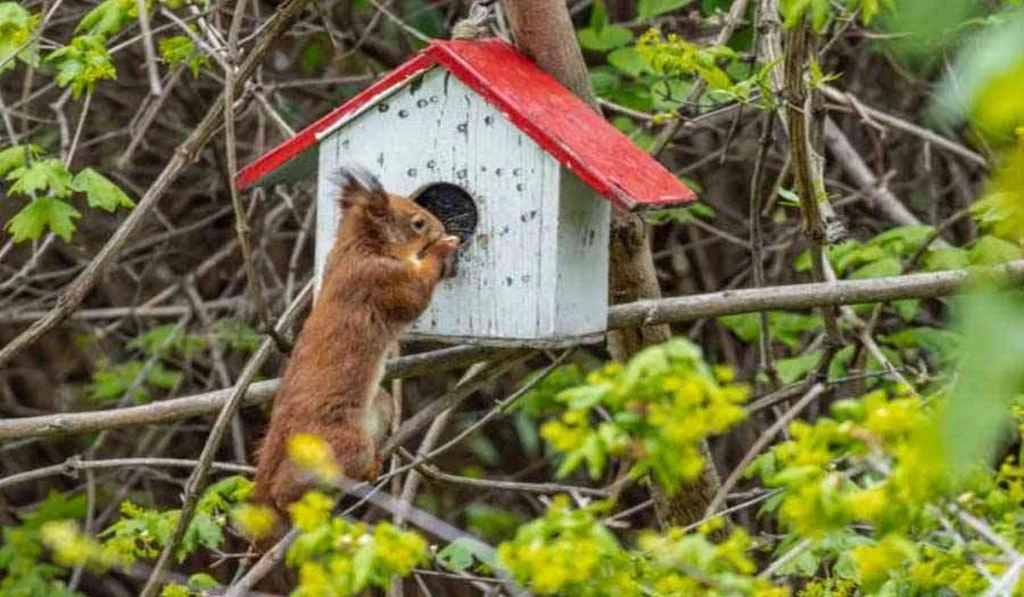
While creating shelter for birds is crucial, so is ensuring that your garden is a safe place. Garden predators such as cats, foxes, and even some birds of prey can pose a serious threat to smaller bird species.
One of the best ways to keep predators at bay is by positioning bird feeders and birdbaths in areas that offer some protection, such as near shrubs or trees where birds can quickly fly to safety if threatened.
In addition to providing shelter, it’s a good idea to keep your pets indoors or supervised when you have birds in your garden. This will help reduce the risk of cats or dogs disturbing or attacking the birds. If you have free-roaming pets, consider keeping them inside while birds are feeding or bathing to ensure the safety of your feathered visitors.
7. Encouraging Bird Breeding and Nesting
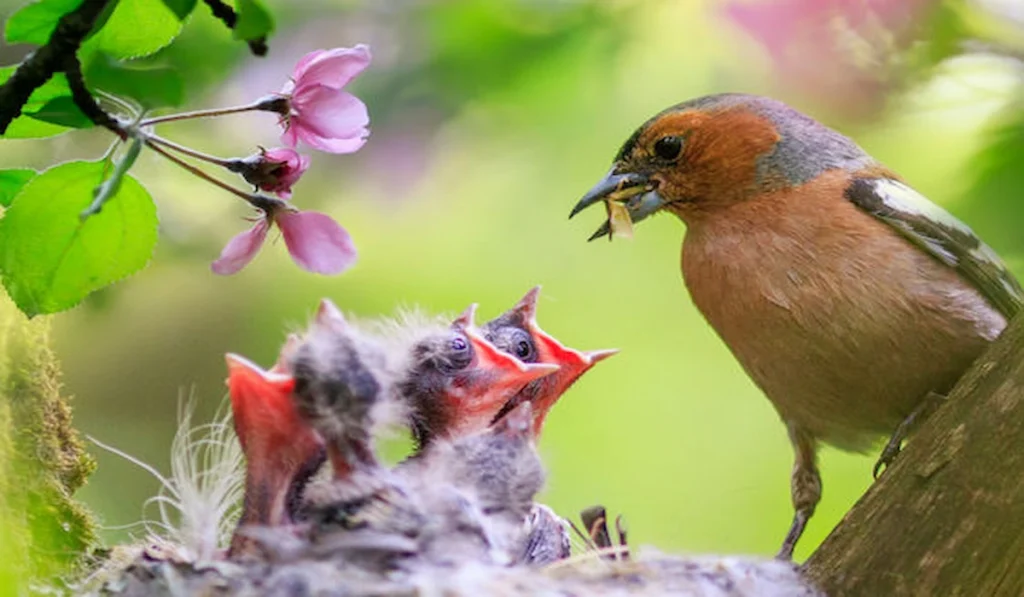
One of the most rewarding aspects of attracting birds to your garden is witnessing them nest and raise their young. Creating the right conditions for birds to breed and nest in your garden is essential for sustaining local bird populations. As mentioned earlier, nesting boxes are a great option, but natural spaces also play a significant role in encouraging breeding.
8. Providing Nesting Materials
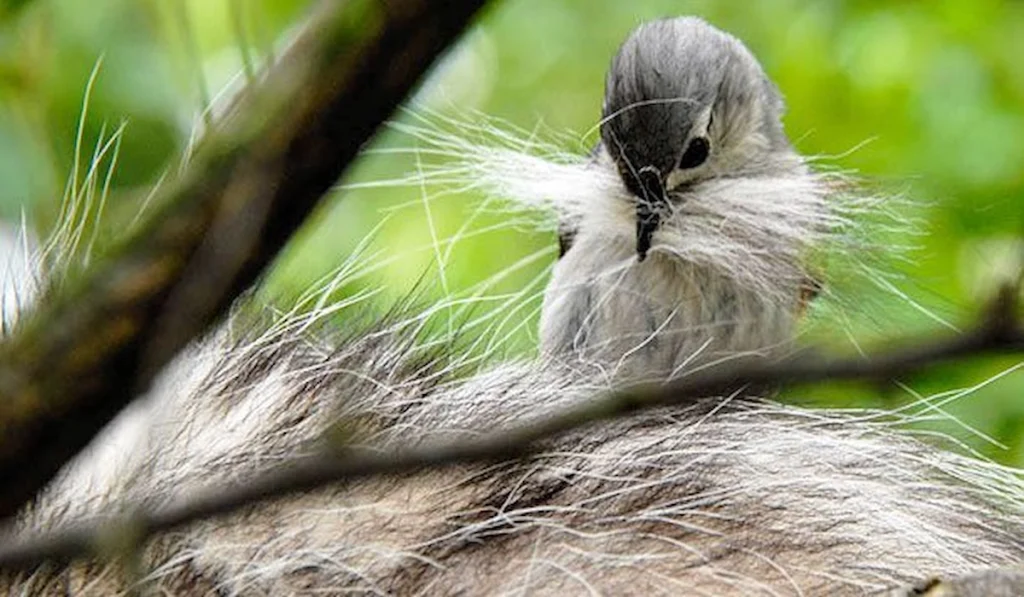
While birds can often find their own nesting materials in the wild, you can help by providing materials that they can use to build their nests. These can include twigs, leaves, grass clippings, and even feathers. You can also offer yarn, string, and pet fur, but make sure that these materials are natural and non-toxic. Avoid synthetic materials that can harm birds.
9. Understanding the Breeding Habits of Local Birds
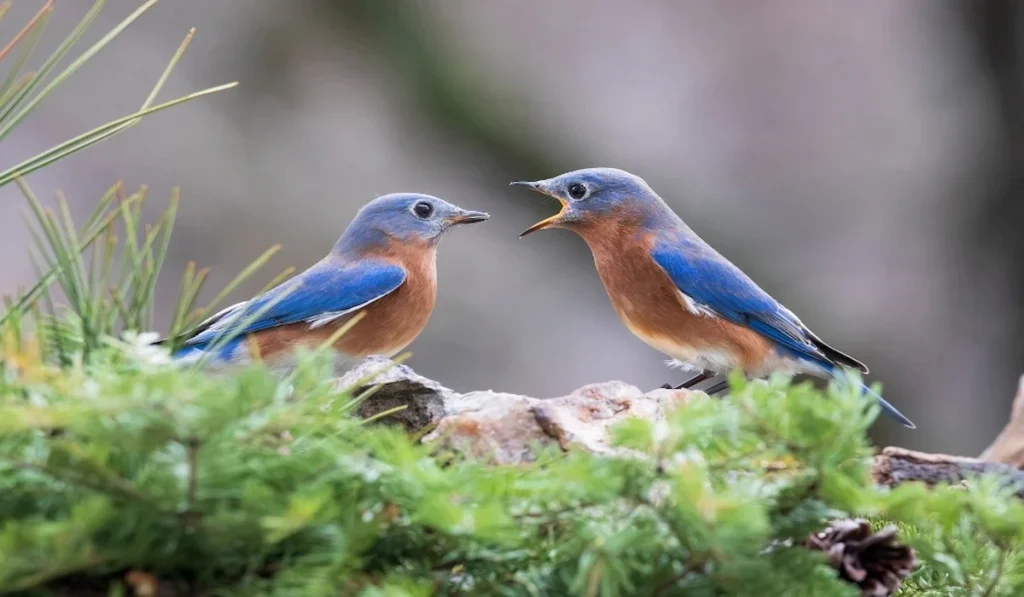
Not all birds nest at the same time, so it’s essential to learn about the local bird species and their specific breeding seasons. For example, some species, like robins and sparrows, breed in early spring, while others, like woodpeckers, may nest in summer.
By understanding the specific needs of the birds in your area, you can provide the right environment and resources for them to raise their young successfully.
10. Reducing Garden Disturbance
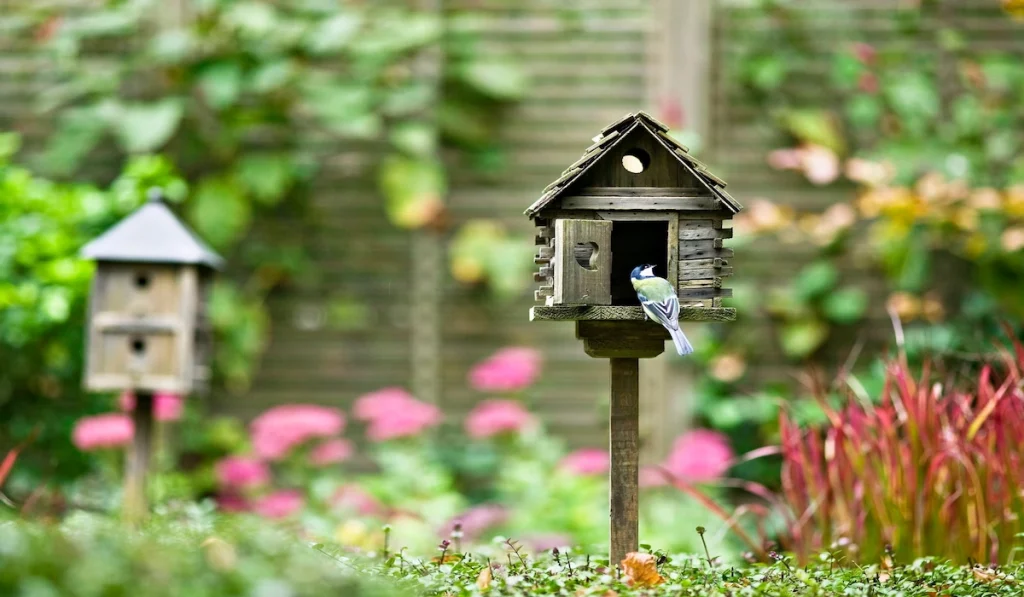
Once birds begin nesting in your garden, try to minimise disturbances. Avoid trimming or cutting back plants around nesting areas, as this could cause birds to abandon their nests. Also, consider placing your birdhouses in quieter, more secluded areas of the garden to reduce the risk of disturbance from people or pets.
11. Creating Year-Round Bird Habitats
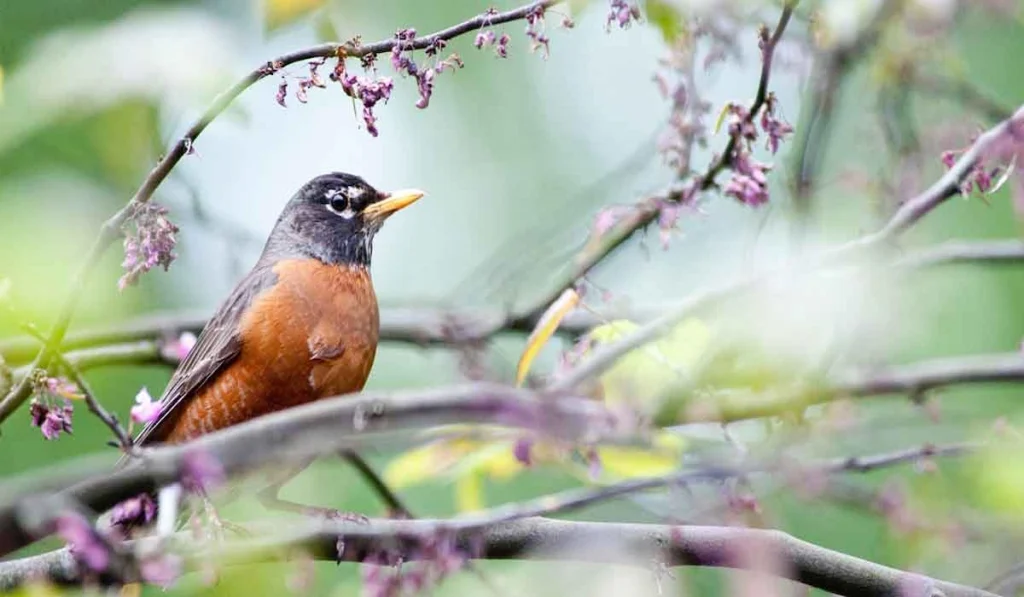
Attracting birds to your garden isn’t just about creating a welcoming environment in spring and summer; it’s also about ensuring they have access to food and shelter year-round. During the colder months, many birds migrate to warmer climates, but many species stay year-round. By providing consistent food sources and shelter, you can encourage these winter visitors to stick around.
12. Winter Feeding
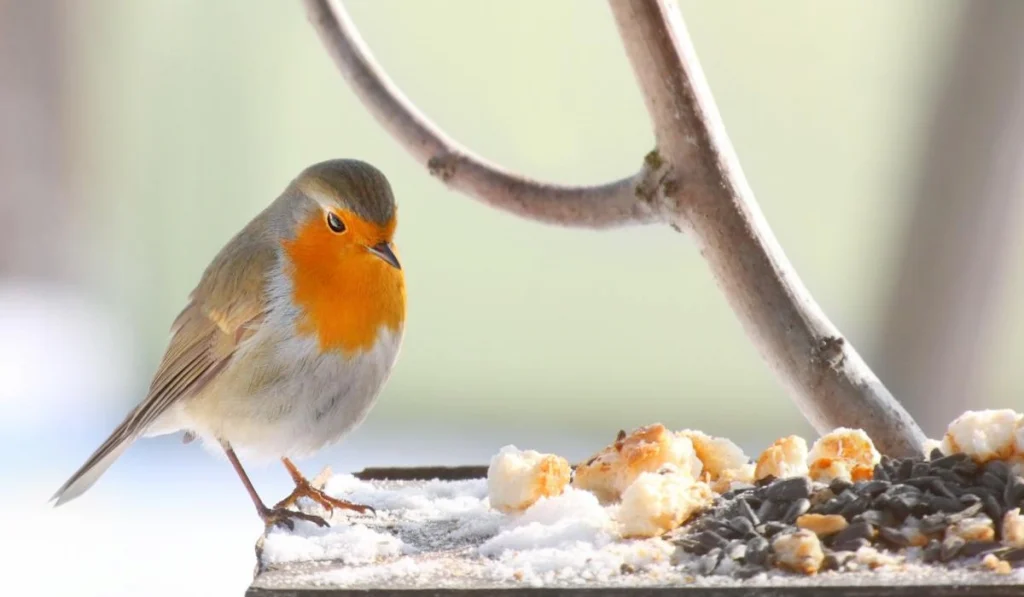
In winter, food can be scarce for birds, so it’s vital to continue providing bird feeders with high-energy foods like suet and sunflower seeds. You can also try adding extra food to your birdbaths in the winter to prevent the water from freezing. During extreme cold spells, ensure that birds have access to fresh water and food to help them stay healthy.
13. Winter Shelter
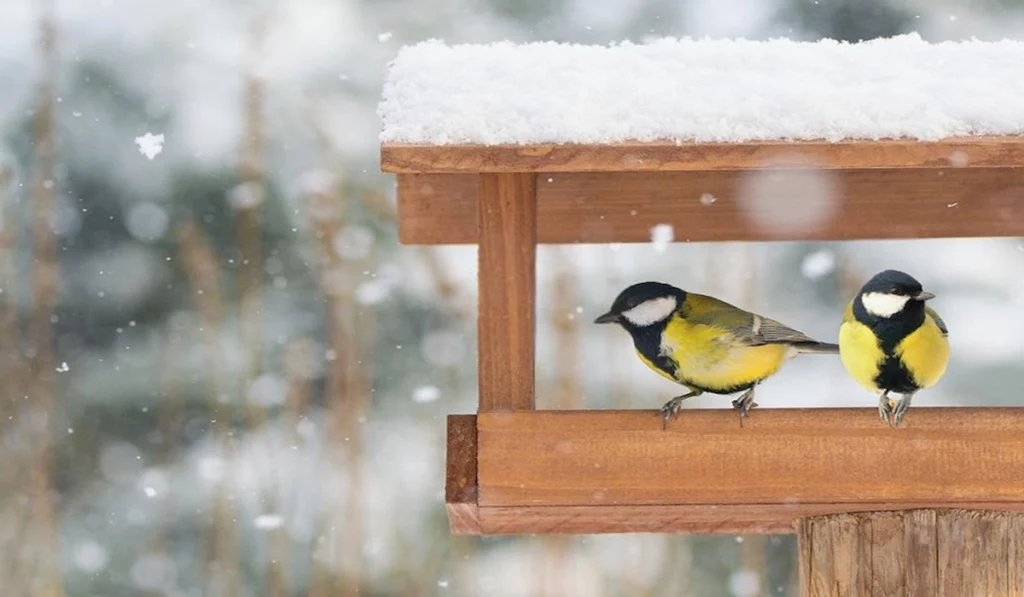
For winter shelter, evergreen trees and shrubs are particularly valuable. These plants offer protection from the harsh winter winds and snow. Additionally, birdhouses with proper insulation and ventilation will keep birds warm and safe. It’s essential to check your birdhouses periodically to ensure they are in good condition and ready to house birds during the winter months.
Conclusion
Creating a bird-friendly garden is a simple way to bring more life, color, and harmony to your outdoor space. By offering food, fresh water, shelter, and safe nesting areas, you give birds everything they need to thrive throughout the year. As they visit, feed, and raise their young in your garden, you’ll enjoy a deeper connection with nature and a more vibrant landscape. Whether you’re new to birdwatching or already passionate about it, the changes you make today will create a welcoming habitat that benefits both the birds and your garden for years to come.