

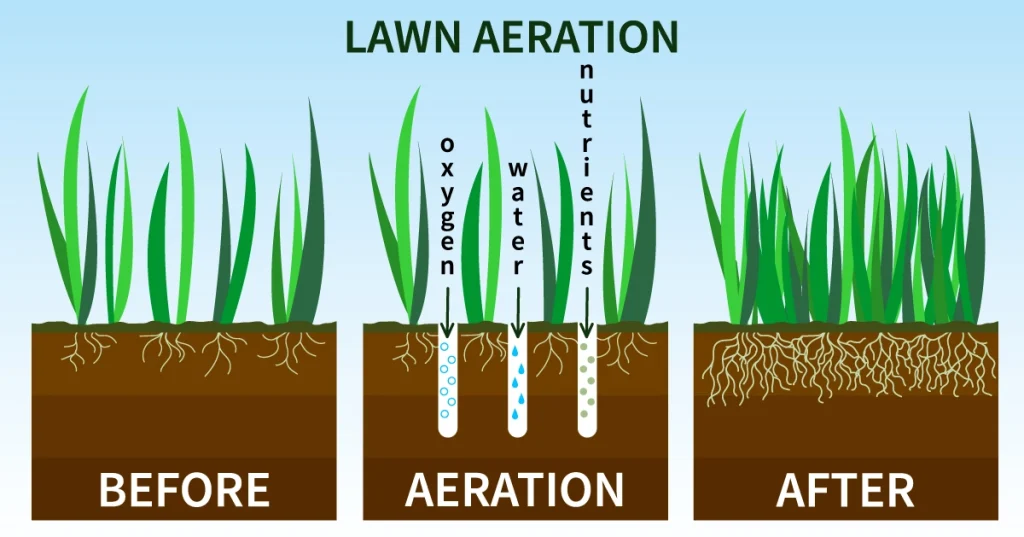
If your customers’ lawns don’t look as green and thick as they should, it might not be about the fertiliser or watering routine. Sometimes, the soil underneath is the real problem. Compacted soil can block air, water & nutrients from reaching the roots. That’s where lawn aeration comes in. Aerating lawns is one of the most effective ways to improve soil health and help grass grow stronger and greener.
In this guide, we’ll explain everything about aerating your customers’ lawns — what it is, why it’s needed, how to do it correctly & how it improves the overall lawn care results.
What Is Lawn Aeration?
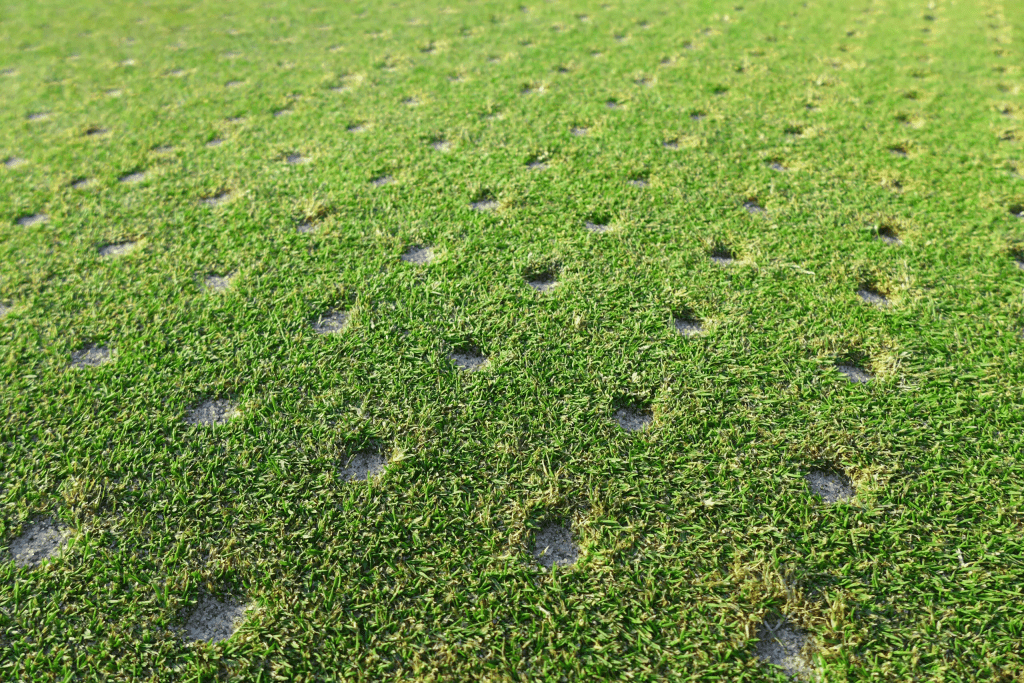
Lawn aeration is the process of creating small holes in the soil to allow better air, water, and nutrient movement to the grass roots. Over time, soil becomes compacted from foot traffic, mowing, and weather changes. When that happens, grass struggles to breathe and grow properly.
Aeration loosens the soil and creates tiny channels so roots can expand and access everything they need. It’s like giving your lawn a deep breath of fresh air.
Why Aeration Is Important for Lawn Health
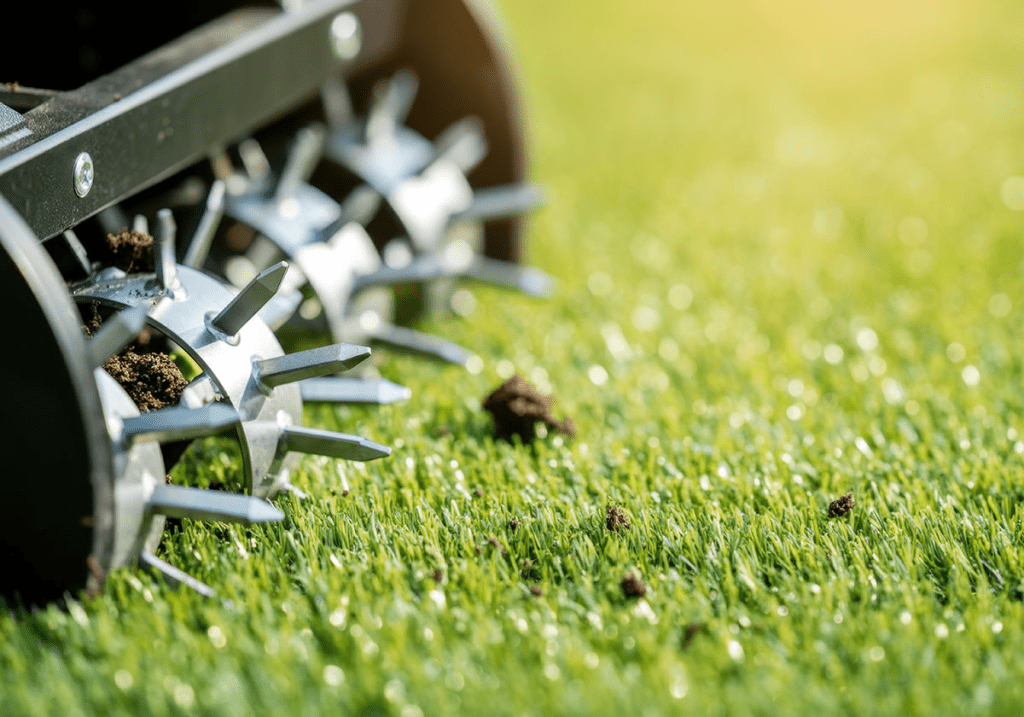
Healthy lawns depend on healthy soil. When the soil gets packed down, it limits root growth and reduces the movement of essential nutrients. Aeration helps fix that problem.
Here’s why aerating your customers’ lawns is so essential:
1. Improves Air and Water Flow
Aeration allows oxygen, water, and fertilisers to reach the roots more effectively. Without enough air and moisture, roots become weak and grass starts to thin out. After aerating, proper watering becomes even more important — learn more about how much water your lawn really needs to stay healthy.
2. Reduces Soil Compaction
Compacted soil acts like a barrier, making it difficult for roots to spread. Aeration loosens the soil, helping the grass develop deeper roots that can better absorb water and nutrients.
3. Encourages Stronger Root Growth
Once the soil is open and loose, roots grow deeper and stronger. That means the grass becomes more drought-resistant and healthier in the long run.
4. Enhances Nutrient Absorption
Fertilisers work better after aeration because nutrients can move freely down to the roots rather than sitting on the surface.
5. Helps Reduce That Build-Up
Thatch is a thick layer of dead grass and roots that blocks water and nutrients. Aeration helps break it down naturally, allowing the lawn to breathe. Aeration also helps prevent uneven watering and fix dry patches on your lawn naturally.
When Should You Aerate a Lawn?
Timing matters when it comes to aerating lawns. The best time depends on the type of grass your customers have.
For Cool-Season Grasses
If your customers’ lawns have cool-season grasses like Kentucky bluegrass, fescue, or ryegrass, the best time to aerate is early spring or fall. During these times, the grass is actively growing and can quickly recover.
For Warm-Season Grasses
For lawns with warm-season grasses like Bermuda, Zoysia, or St. Augustine, late spring or early summer is ideal for aeration. That’s when these grass types are in their peak growth stage.
Avoid aerating during dormancy or extreme heat since the grass may struggle to heal. Regular aeration combined with proper seasonal care helps you keep your lawn green all year round.
Signs That a Lawn Needs Aeration
Not every lawn needs a Lawnion all the time. Here are a few signs that your customers’ lawns are compacted and need aerating:
- The grass feels spongy or dry even after watering
- Water puddles form after rain
- The lawn looks thin or patchy
- The soil feels hard when you press or dig
- Heavy foot traffic or mowing patterns are visible
- Roots appear short or weak when inspected
If you notice these symptoms, it’s time to aerate.
Types of Lawn Aeration Methods
There are two main types of aeration methods commonly used in lawn care — spike aeration and core aeration. Each has its purpose, but they work differently.
Spike Aeration
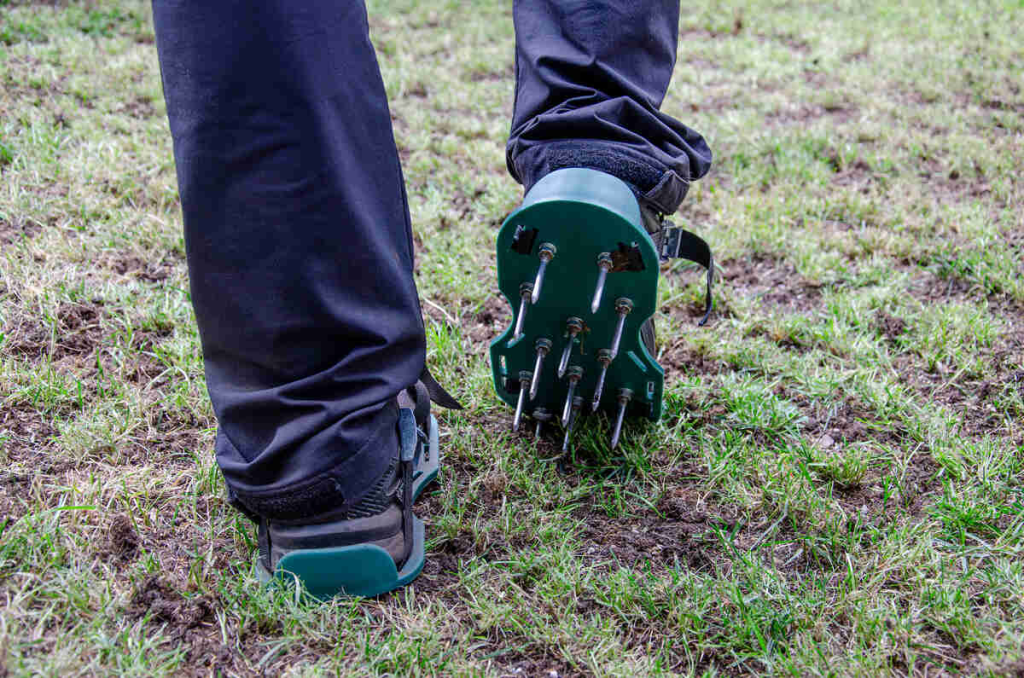
This method involves poking holes into the ground using solid spikes or tisuitable. It’s suitable for compacted lawns, but it can sometimes make the soil around the holes even tighter.
Core (Plug) Aeration
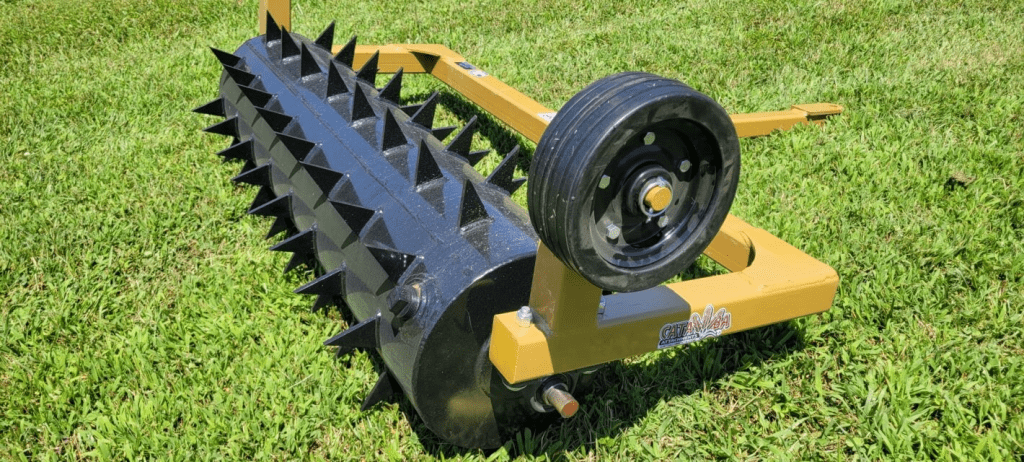
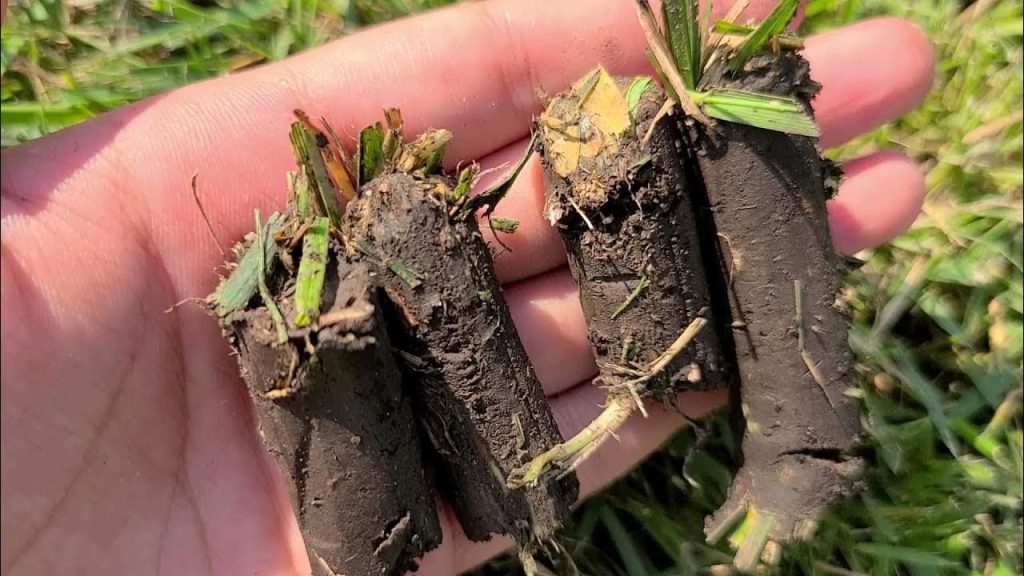
Core aeration removes small plugs of soil, mows the lawn, leaving it healthier and helping relieve compaction. This is the preferred method for professional lawn care because it provides long-term results and allows deeper penetration for air and nutrients.
How to Aerate a Lawn Step-by-Step
If you’re offering lawn care services, it’s essential to know the correct process to ensure effective results. Here’s how to properly aerate your customers’ lawns:
1. Prepare the Lawn
Mow the grass shorter than usual and water it one or two days before aerating. Moist soil makes the process smoother and more effective.
2. Choose the Right Equipment
You can use a manual aerator for small lawns or a powered core aerator for larger properties. Professional machines are faster and provide more consistent results.
3. Aerate in MultiplLawnrections
Go over the lawn twice —Lawn in a straight line and again at a 90-degree angle. This ensures even coverage and maximum soil opening.
4. Lawn Soil Plugs on the Lawn
The plough left behind after core aeration should stay on the surface. They’ll naturally break down and return nutrients to the soil.
5. Apply Fertiliser Seed
Right after aerating is the best time to fertilise or overseed, as the open holes allow nutrients and seeds to reach the root zone more easily.
6. Lawner Thoroughly
Give the lawn a deep Lawnring session after aeration to help recovery and promote root growth.
Post-Aeration Lawn Care Tips
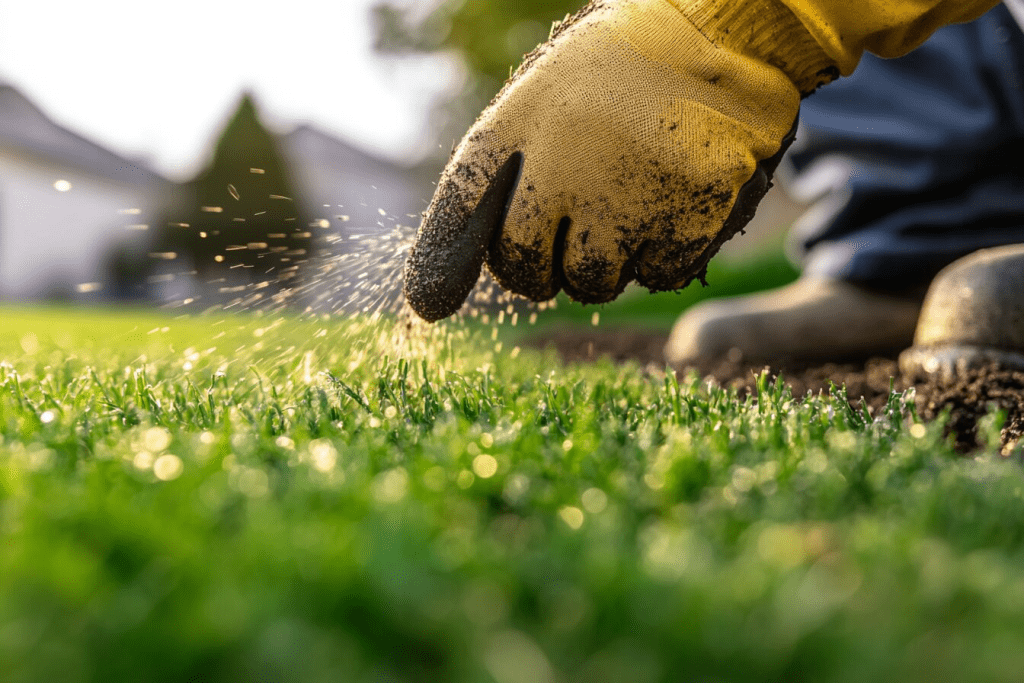
Once aeration is done, proper care is essential for getting the best results.
Water Regularly
Moisture helps the soil settle back naturally and allows rootLawn grow deeper. Water the lawn two to Lawne times per week for the next few weeks.
Fertilise for Strength
Aeration boosts the effect of fertilisers. Choose a slow-release fertiliser to feed the roots gradually.
Avoid Heavy Traffic
Keep lawnpeople and pets off the lawn for a few days so the grass can recover and establish itself.
Mow After a Few Days
Wait until the lawn shows signs of recovery before mowing again. Sharp mower blades help prevent stress on newly aerated grass.
How Often Should You Aerate a Lawn?
Most lawns benefit from aeration once a year. However, heavily used or clay-rich lawns might need aerating twice a year. Sandy soils, on the other hand, can often go longer between aerations.
If your customers have compacted or high-traffic areas, like playgrounds or driveways, consider more frequent aeration to maintain healthy grass.
Benefits of Aerating Your Customers’ Lawns
Offering aeration as part of your lawn care service brings many advantages — not just for the lawn but also for your business reputation.
Healthier Grass
Aerated lawns grow thicker, greener, and more resilient against pests and drought. Once the lawn is aerated and healthy, it’s important to watch out for pests — here’s how to identify and prevent grub damage.
Improved Water Efficiency
Water seeps deeper into the soil instead of running off, reducing water waste and keeping the lawn hydrated.
Stronger Root System
Deep roots mean better nutrient absorption and long-term grass health.
Reduced Maintenance Costs
Once aeration improves the soil, lawns require less fertiliser, less water, and fewer repairs — saving customers money in the long run.
Better Results for Overseeding
Aeration of lawns for overseeding by creating ideal seed-to-soil contact for improved germination. Aeration makes overseeding more effective — if you’re planning to reseed, find out what’s best for your lawn: sod or seed.
Professional Lawn Aeration Service: Why It Matters
While homeowners can rent an aerator and do it themselves, professional lawn aeration services often give better results. Experts understand soil types, grass growth cycles, and proper machine settings. They can aerate evenly, apply fertilisers immediately, and adjust techniques for specific lawn conditions.
For a lawn care business, offering aeration shows customers that you care about long-term results, not just surface-level maintenance. It also helps you stand out as a knowledgeable and reliable service provider.
Conclusion
Aerating your customers’ lawns is more than just another lawn care task — it’s a vital part of creating healthy, green, and beautiful outdoor spaces. By relieving soil compaction and improving airflow and nutrient movement, aeration gives grass the foundation it needs to thrive.
If you provide regular lawn care services, including aeration as part of your yearly plan, you can significantly enhance customer satisfaction. A well-aerated lawn not only looks better but also lasts longer — and that’s the result every customer wants.