

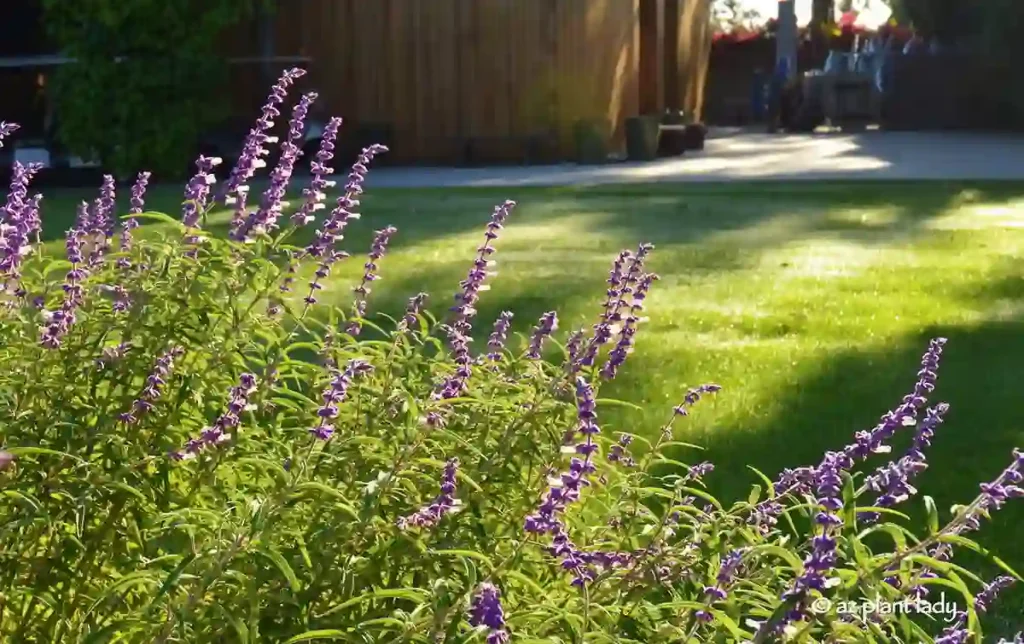
Salvia, a genus of flowering plants in the mint family, is an excellent choice for adding beauty, color, and texture to your landscape. Known for its vibrant blooms, drought tolerance, and ability to attract pollinators, salvia is becoming increasingly popular for front yard landscaping.
Whether you’re looking to create a stunning flower garden, add color to your lawn, or attract bees and butterflies, salvia offers numerous benefits. In this article, we’ll explore the uses of salvia in landscaping, how to incorporate it into your front yard, and why it’s a must-have plant for your garden.
1. Salvia: The Perfect Plant for Front Yard Landscaping
Salvia plants are incredibly versatile, making them perfect for a wide range of landscaping uses. With their vibrant colors and long-lasting blooms, they can turn any front yard into a visually appealing space. From the classic blue, purple, and red varieties to more exotic shades like pink, orange, and yellow, salvia flowers can add significant visual interest to your garden.
They work beautifully in mixed flower beds, borders, and as a focal point in smaller garden spaces. Additionally, their ability to thrive in various conditions, including full sun and dry soil, makes them an ideal choice for landscaping in many climates.
One of the most popular landscaping uses of salvia is as a focal point plant. Its tall spikes of flowers can draw the eye upward, adding a dynamic visual element to any flower garden. Whether you plant them in clusters or place them individually, they bring a sense of balance and elegance to your front lawn.
2. Landscaping with Salvias: Tips for a Beautiful Front Yard Garden
Landscaping with salvias requires some thought to ensure that they thrive and create a cohesive and stunning front yard. Here are a few essential tips for incorporating salvias into your garden:
◘- Choose the Right Variety: There are many different types of salvia plants, so it’s important to choose the right variety for your front yard. Some species, like Salvia nemorosa, are more compact and work well in smaller flower gardens, while others, like Salvia splendens, grow taller and are perfect for the back of flower beds. Consider your available space and the height you want to achieve in your design.
◘- Consider Flower Color: Salvias come in a wide range of colors, so you can use them to complement other plants or create striking contrasts. For instance, pairing red and purple salvias with yellow or white flowers can create an eye-catching contrast that draws attention to your front yard. Alternatively, plant salvias in monochromatic color schemes to create a harmonious look.
◘- Incorporate Texture and Shape: The architectural structure of salvia plants adds texture and structure to your landscape. With their upright stems and narrow leaves, salvias can provide a sharp contrast against the rounded or broader foliage of other plants. Planting them with other flowering plants that have different textures can create a more dynamic garden.
◘- Grouping Plants: Planting salvias in groups or clusters can have a greater visual impact than planting them individually. For example, placing a group of tall salvias together can create a dramatic effect, while smaller varieties can be planted in front of taller plants to add layers of interest.
3. Salvias for Attracting Pollinators to Your Front Yard
Salvias are known for attracting pollinators like bees, butterflies, and hummingbirds. This makes them an excellent choice for creating a wildlife-friendly garden in your front yard. Pollinators play a vital role in the ecosystem, and by planting salvias, you can support local wildlife while beautifying your outdoor space.
Salvia’s tubular flowers are particularly attractive to hummingbirds. Their bright colors, particularly red, purple, and pink, draw these tiny birds to your front yard, where they can feed on the nectar.
Similarly, bees are drawn to the abundant pollen in salvia flowers, making them a great choice for creating a pollinator-friendly garden. To create a truly wildlife-friendly front yard, consider planting a variety of other pollinator-friendly plants alongside salvias, such as lavender, daisies, and coneflowers.
4. Salvia Landscape Uses for Different Front Yard Styles
◘- Formal Gardens: In formal gardens, consider using salvias as part of a structured flower bed. Pair them with other neat and tidy plants like boxwood shrubs or lavender for a clean, classic look. The contrasting shapes of these plants will create a visually interesting, symmetrical design.
◘- Cottage Gardens: Cottage gardens embrace a more relaxed, informal style, and salvia is an excellent plant for these types of landscapes. Pair them with other wildflower varieties, like echinacea and foxglove, for a romantic and rustic front yard garden. This informal style creates a whimsical, inviting atmosphere.
◘- Modern Gardens: For more contemporary front yards, consider using salvias in minimalist designs with bold, simple lines. Plant them in sleek, geometric flower beds with materials like gravel, concrete, or wood for a modern look. Use a variety of salvias with contrasting flower colors to make a bold statement.
◘- Mediterranean Gardens: Salvia’s drought tolerance makes it a perfect choice for Mediterranean-style landscapes. Incorporate them alongside other hardy plants like rosemary, lavender, and olive trees. Their ability to thrive in dry conditions and full sun makes them ideal for this style of garden.
5. Landscaping Mexican Bush Sage: A Unique Option for Your Front Yard
One specific type of salvia that deserves attention in your front yard is the Salvia leucantha, also known as Mexican Bush Sage. This variety is beloved for its silvery foliage and vibrant, purple and white blooms. The Mexican Bush Sage can grow up to 4-5 feet tall, making it an excellent choice for creating a focal point in your front yard.
Mexican Bush Sage thrives in full sun and well-drained soil, and it’s also drought-tolerant, which makes it suitable for many climates. In addition to being visually appealing, this variety of salvia attracts hummingbirds and butterflies, adding a dynamic, living element to your garden. Plant Mexican Bush Sage in clusters along pathways, in garden borders, or as a standalone feature for an exotic, elegant look.
6. Front Yard Flower Gardens with Salvias: Design Ideas for Year-Round Beauty
Incorporating salvias into your front yard flower garden can ensure that your space remains vibrant and colorful year-round. While salvias typically bloom in late spring and summer, some varieties, such as Salvia greggii, can bloom well into fall. Here’s how to plan a front yard flower garden that incorporates salvias and provides year-round appeal:
◘- Layering: Plant salvias in layers, with taller varieties at the back of flower beds and shorter ones at the front. This layering effect will ensure that your garden has depth and visual interest throughout the seasons. Pair them with perennial plants like peonies, daisies, and asters for continued color.
◘- Complementary Plants: Consider combining salvias with plants that bloom at different times of the year. For example, plant spring-blooming flowers like tulips and daffodils alongside salvias to ensure that your garden stays colorful from early spring through late fall.
◘- Winter Interest: Even after the blooms have faded, salvia plants provide structure and interest in your front yard. Their upright stems and seed heads remain attractive throughout the winter months, adding texture and form to the landscape. To maintain visual interest during winter, you can also incorporate evergreen shrubs and ornamental grasses.
7. Maintaining Salvias in Your Front Yard Landscape
Once you’ve incorporated salvias into your front yard landscaping, it’s important to understand how to care for them to ensure they thrive. Salvias are relatively low-maintenance, but they still require some attention to keep them healthy and beautiful.
◘- Watering: While salvia is drought-tolerant, it’s important to water them regularly, especially during the first few weeks after planting. Once established, they require less frequent watering, but be sure not to overwater them, as they prefer well-drained soil.
◘- Pruning: Pruning is essential for keeping salvia plants healthy and promoting new growth. Remove spent flowers to encourage more blooms and trim back dead or damaged stems. Some varieties of salvia, like Salvia nemorosa, may require a light cutback in the late summer to keep them looking tidy.
◘- Fertilizing: Salvias don’t require heavy fertilization, but you can apply a balanced fertilizer in the spring to give them a boost. Over-fertilizing can lead to excessive leaf growth at the expense of flowers, so use fertilizers sparingly.
◘- Pest Control: Although salvias are generally pest-resistant, they may occasionally attract aphids or spider mites. Regularly inspect your plants for signs of pests and treat them with organic insecticides if necessary.
Conclusion: Why You Should Add Salvia to Your Landscape
Salvia is a versatile and beautiful plant that adds vibrant color, texture, and interest to your front yard landscaping. Whether you’re aiming to create a wildlife-friendly garden, add a focal point, or enjoy year-round blooms, salvia offers a wealth of benefits for any garden.
From Mexican Bush Sage to the classic purple varieties, there’s a salvia to suit every style and landscape. By carefully selecting the right varieties and incorporating them into your design, you can create a stunning, low-maintenance front yard that is both functional and visually appealing.
At Dreamscapes Florida, we specialize in creating stunning garden landscapes. Discover how our expert landscaping services can help you achieve the perfect front yard garden with beautiful plants like salvia and more.