

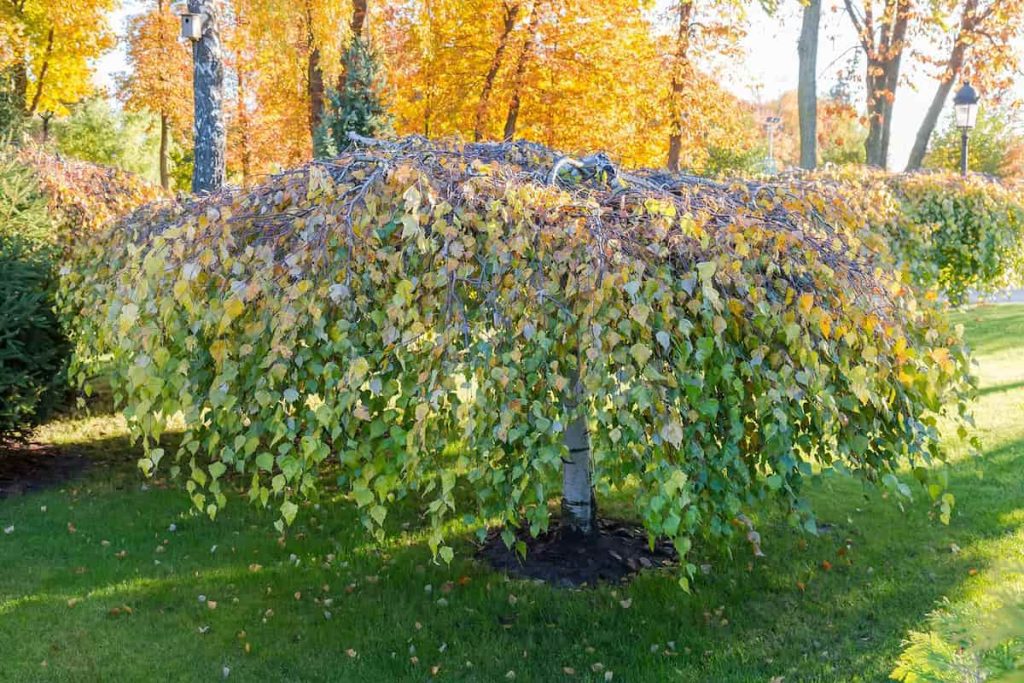
Birch trees are admired for their elegant appearance, distinctive bark, and graceful foliage. Whether you are looking to add a focal point to your garden or create a peaceful shaded area, birches are a versatile choice. With numerous varieties available, understanding the differences between them can help you select the best birch tree for your garden.
1. Silver Birch
The Silver Birch is one of the most recognizable birch trees, celebrated for its striking white bark that peels in thin layers and its delicate, airy foliage. It grows quickly and can reach impressive heights, making it ideal for adding vertical interest to larger gardens. Its light canopy allows sunlight to filter through, creating a beautiful dappled effect beneath the tree.
2. River Birch
River Birch thrives in moist, well-drained soils and is recognized for its textured, peeling bark, which ranges from cinnamon to reddish-brown hues. Unlike some birches, the River Birch tolerates warmer climates and humid conditions, making it suitable for gardens that experience varied weather conditions. Its cascading branches add a natural, flowing aesthetic to any landscape.
3. Paper Birch
Native to northern regions, the Paper Birch is famous for its iconic white bark, which peels like paper, and its bright green leaves that turn golden in autumn. It grows best in cooler climates and can reach medium to large sizes, making it a perfect choice for gardeners seeking a striking seasonal display.
4. Yellow Birch
Yellow Birch is distinguished by its golden-bronze bark and strong, sturdy trunk. Its leaves emerge with a bright green hue in spring and turn yellow in the fall, adding a seasonal charm to any garden. This variety is particularly valued for its durability and adaptability to different soil conditions.
5. Dwarf Birch
Dwarf Birch is a compact variety ideal for small gardens, container planting, or rock gardens. Its slow growth and small stature make it manageable while still offering the beauty of birch foliage and delicate catkins. This variety adds texture and interest to areas with limited space.
6. Himalayan Birch
The Himalayan Birch is celebrated for its pristine white bark and elegant, upright growth habit. It thrives in cooler climates and is often used as a focal point in formal garden designs. Its smooth bark provides visual interest throughout the year, contrasting beautifully with the surrounding greenery.
7. Bog Birch
Bog Birch is a hardy shrub-like birch that prefers wet, boggy soils. Its small size and dense branching make it suitable for naturalistic garden areas or water-edge plantings. In addition to its attractive leaves and bark, Bog Birch provides shelter for wildlife, enhancing the ecological value of your garden.
8. Japanese White Birch
The Japanese White Birch features striking white bark and a slightly more delicate leaf structure compared to other birches. It is often used in ornamental landscaping for its clean lines and graceful appearance. Its moderate growth rate and elegant silhouette make it suitable for medium to large gardens.
9. Gray Birch
Gray Birch is a fast-growing tree that tolerates poor soil conditions and urban environments. Its white bark is accented with dark triangular patches, providing visual texture even in winter. Gray Birch is ideal for gardeners seeking a hardy tree that establishes quickly and adds seasonal color to the landscape.
10. Cutleaf Birch
Cutleaf Birch is a unique variation of the Silver Birch, characterized by deeply cut, lace-like leaves that create a delicate, fern-like appearance. Its ornamental foliage makes it a popular choice for gardens that aim to showcase intricate leaf patterns and add a touch of elegance.
11. Paperbark Birch
Paperbark Birch is recognized for its thick, peeling bark, which provides winter interest and texture. This variety combines the beauty of traditional Paper Birch with increased resilience, making it suitable for gardens in cooler climates where ornamental appeal is desired year-round.
12. Sweet Birch
Sweet Birch, also known as Black Birch, is valued for its dark, aromatic bark and rich green foliage. In autumn, the leaves turn vibrant yellow, creating a stunning contrast against the dark bark. Sweet Birch thrives in well-drained soils, offering both visual appeal and a subtle, fragrant quality that enhances the garden experience.
Birch trees, with their varied bark colors, leaf shapes, and growth habits, offer endless possibilities for garden design. Selecting the right type of birch depends on your garden’s size, soil conditions, and climate preferences.
From towering Silver Birch to compact Dwarf Birch, each variety brings unique beauty and character, making birches a timeless addition to any garden landscape. By carefully considering your options and understanding the growth requirements of each type, you can cultivate a garden that remains visually captivating throughout the seasons.
Conclusion
Birch trees add elegance, texture, and seasonal beauty to any garden, whether you choose the towering Silver Birch or the compact Dwarf Birch. Each variety offers unique charm, from striking bark to delicate foliage, making them a versatile choice for enhancing your outdoor space.
By selecting the right birch for your garden’s size and conditions, you can create a landscape that remains visually appealing throughout the year. For more ideas and inspiration to design a beautiful garden, visit Dreamscapes Florida.