

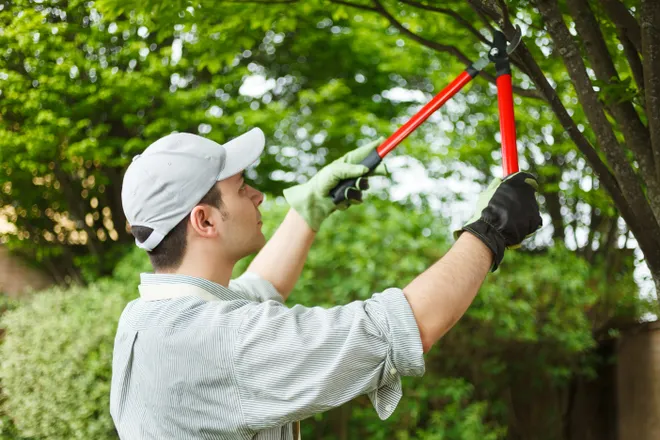
When it comes to living in close proximity to others, such as in suburban neighborhoods or urban areas, boundaries often blur. One of the most common sources of tension between neighbors arises from property lines and the plants that straddle them.
This issue can become particularly complicated when a neighbor’s plants overhang or encroach onto your property. It’s easy to understand why this can lead to frustration, especially when the plants block sunlight, make it difficult to maintain your own garden, or simply cause aesthetic concerns.
This raises a crucial question: is it ever appropriate to trim your neighbor’s plants? The answer isn’t as simple as you might think, and it depends on a variety of factors including legal considerations, neighborly etiquette, and even the type of plants in question.
In this article, we will delve into the complexities surrounding this issue, providing you with a comprehensive understanding of the boundaries (pun intended) regarding plant trimming and your legal rights as a property owner.
Understanding Property Lines and Ownership
To fully understand whether you can trim a neighbor’s plants, it’s important to first understand property lines and ownership. Property lines refer to the invisible boundaries that define the legal limits of your land. These boundaries determine where your land ends and your neighbor’s begins, and they are typically marked by fences, walls, or trees.
When plants grow on or near property lines, determining ownership can become tricky. If a tree, bush, or vine grows directly on the property line, then the plant is technically owned by both you and your neighbor. However, if the plant is growing entirely on your neighbor’s land, it belongs to them, and vice versa. This is an important distinction because it affects what you can and cannot do with the plant.
Legal Considerations: What Does the Law Say?
The law surrounding trimming plants that grow on your neighbor’s property can be complex, as it varies by jurisdiction. In most cases, you have the right to trim any part of a plant that extends onto your property, such as branches, roots, or vines. However, there are certain guidelines that must be followed to avoid potential legal issues.
First and foremost, you cannot trim your neighbor’s plant to the point where it causes harm or significantly diminishes the plant’s ability to thrive. This means you cannot remove a tree branch or a portion of a bush that would endanger the plant’s health, shape, or structure. While trimming overhanging branches may be permissible, you should avoid cutting down large portions of the plant that could lead to its death or permanent damage.
Furthermore, it’s essential that any trimming be done in a way that doesn’t cause undue harm to your neighbor’s property or their enjoyment of it. For example, if you trim a branch and it causes your neighbor’s plant to die, they could potentially sue you for damages, arguing that your actions were negligent.
Another consideration is whether or not your neighbor has given you permission to trim their plants. Even if the plants extend onto your property, it’s always a good idea to talk to your neighbor before taking any action. This is especially true for larger trees or bushes, where trimming could affect the overall appearance of their yard.
Neighborly Etiquette: How to Approach the Situation
Before reaching for your pruning shears, consider the importance of maintaining a cordial relationship with your neighbor. While the law may grant you the right to trim your neighbor’s plants that overhang your property, that doesn’t mean it’s always the best course of action. In fact, trimming your neighbor’s plants without their permission can lead to misunderstandings, conflicts, and even legal disputes.
If you’re dealing with a situation where a plant is encroaching on your property, the first step should always be communication. Approach your neighbor in a friendly and respectful manner and express your concerns. You could mention that their plant is blocking sunlight, causing damage to your property, or making it difficult to maintain your own garden. Offer to work together to find a solution that benefits both parties.
For example, you might suggest trimming the plant together, with both of you agreeing on the extent to which it should be cut back. This not only fosters cooperation, but it also ensures that both parties are happy with the outcome. If your neighbor is not receptive to trimming the plant, it’s essential to respect their decision, as you do not have the right to take action without their consent.
In some cases, a neighbor might offer to take care of the trimming themselves, or they may even offer to move the plant altogether. If the plant in question is a tree that’s causing damage to your property, you may need to discuss whether they would be willing to have it removed, which may involve compensation for the removal process.
When Trimming May Be Necessary: Examples of Common Situations
There are certain situations where trimming a neighbor’s plants may be necessary, either for your own benefit or to prevent harm to your property. These situations generally arise when the plant causes an obstruction, creates a safety hazard, or is damaging your property in some way.
One common example is when tree branches overhang your property and interfere with your roof, gutters, or power lines. Overgrown tree branches can cause damage to your home, leading to expensive repairs. In this case, you may have the right to trim the branches, provided you follow the legal guidelines and avoid causing harm to the tree.
Another situation where trimming may be necessary is when a neighbor’s vines or climbing plants have overgrown and are now affecting the structure of your fence or house. Plants like ivy can damage wooden fences or brick walls by creating moisture buildup and encouraging mold growth. If this is the case, trimming the plants may be necessary to prevent further damage.
Additionally, some plants may attract pests or rodents, which can become a nuisance to your property. If your neighbor’s plants are harboring pests that are affecting your property, it’s important to communicate with them and take appropriate action.
The Risks of Trimming Without Permission
While the desire to trim an overhanging branch or an intrusive vine might be strong, it’s important to consider the risks involved in doing so without your neighbor’s permission. Trimming your neighbor’s plants without asking could escalate into a legal dispute or create tension between you and your neighbor.
For instance, if you inadvertently damage the plant or cause it to die, your neighbor could sue you for the cost of replacement or repair. Even if you didn’t intend to harm the plant, they could argue that your actions were negligent or reckless.
Additionally, trimming without permission could make your neighbor feel disrespected and invaded. It’s essential to remember that, while you may feel that you’re within your rights to trim overhanging plants, your neighbor might not see it that way. The lack of communication could result in ill feelings and strain your relationship.
How to Resolve Disputes Over Trimming Plants
If you find yourself in a situation where you and your neighbor disagree about trimming plants, the best course of action is to try to resolve the issue amicably. Start by having a calm, respectful conversation to express your concerns and explain why you believe trimming is necessary.
If your neighbor is not willing to cooperate, you may need to seek assistance from a third party, such as a mediator or a local authority. Some cities and towns have ordinances that govern the trimming of trees and plants, and a mediator may be able to help you navigate these rules to find a solution.
In extreme cases, legal action may be necessary. If your neighbor refuses to address the issue, and the plant is causing damage or creating a safety hazard, you may need to pursue the matter in court. However, it’s always best to try to work things out through communication before resorting to legal measures.
From expert lawn care to stunning garden designs, Dreamscapes Florida is here to create the perfect landscape for your home. Explore our services today.