

When it comes to maintaining a garden or landscape, one of the biggest challenges homeowners face is keeping weeds from taking over. Weeds not only make your space look untidy, but they also compete with your plants for vital resources like sunlight, water, and nutrients.
Fortunately, ground covers are a fantastic solution to help keep those pesky weeds at bay. These plants are not only beautiful but also serve as a natural barrier, suppressing weed growth while also adding texture and color to your landscape.
Choosing the right ground cover can make all the difference in reducing the amount of weeding you need to do. In this article, we’ll explore some of the best ground covers to consider for your yard that are both effective and low-maintenance.
Creeping Thyme
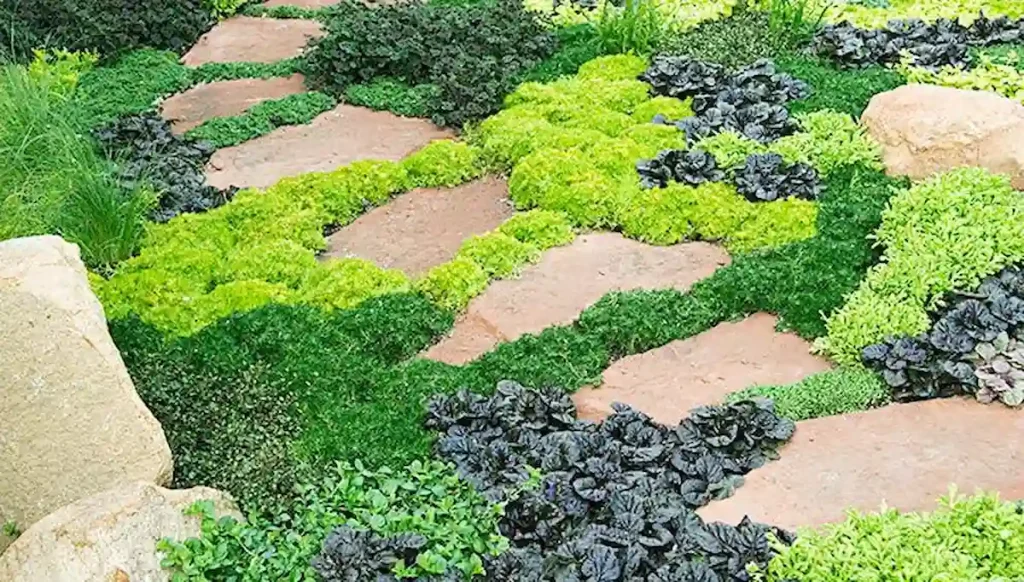
One of the most popular and effective ground covers is creeping thyme. This low-growing plant creates a dense mat of foliage, making it an excellent natural weed barrier. Creeping thyme is hardy, drought-tolerant, and attracts pollinators like bees and butterflies, adding beauty to your garden while keeping unwanted plants at bay. It’s especially well-suited for sunny spots where most other plants struggle to grow.
Creeping thyme thrives in well-drained soil and can tolerate moderate foot traffic, making it ideal for areas such as walkways or between stepping stones. It doesn’t require much maintenance, and once it’s established, it can spread quickly, filling in any gaps in your garden. It’s a great choice if you’re looking for a ground cover that does the job while still being visually appealing.
For more tips on creating a low-maintenance garden design, you might find our guide on building a vertical garden for small spaces helpful.
Ajuga (Bugleweed)
Ajuga, also known as bugleweed, is another fantastic option for controlling weeds. It’s a fast-growing perennial that forms a dense carpet of leaves, making it an excellent choice for shaded areas of your garden where grass might not thrive. Ajuga’s dark green foliage can turn a beautiful shade of purple in the cooler months, adding a unique visual element to your landscape.
One of the best things about ajuga is that it thrives in both full sun and partial shade, making it an incredibly versatile plant. Its ability to grow in various soil types and conditions makes it ideal for a wide range of landscapes. Ajuga will quickly spread to cover the ground, creating a natural barrier that prevents weeds from gaining a foothold.
If you’re planning to expand your garden or make improvements, you may also want to consider installing landscape fabric for weed control.
Creeping Jenny
If you’re looking for a ground cover that adds a pop of color to your garden while preventing weeds, creeping Jenny is an excellent choice. This plant has small, round, bright green leaves that form a dense mat, and it can spread quickly, making it a fantastic option for weed control. Creeping Jenny also works well in areas with partial shade and moisture, making it ideal for damp spots in your garden.
Aside from its weed-suppressing qualities, creeping Jenny produces beautiful yellow flowers in late spring, further enhancing your garden’s appearance. This plant is an excellent choice if you want something that’s both functional and ornamental. Keep in mind that it can spread aggressively, so you’ll need to monitor it to prevent it from taking over other plants in your garden.
For those interested in cleaning up their outdoor spaces, you may also want to check out our article on cleaning pavers and hardscapes.
Pachysandra
Pachysandra is a classic ground cover that’s known for its ability to thrive in low-light conditions. It’s perfect for areas of your garden that receive little direct sunlight, such as under trees or in shaded corners. Pachysandra forms a dense, evergreen mat of glossy, dark green leaves that effectively blocks weeds from growing.
While pachysandra is slow to establish, once it’s rooted, it can spread quite rapidly and is very effective at preventing weed growth. It’s also incredibly easy to care for. It requires minimal maintenance and doesn’t need much water once established. Additionally, its evergreen nature means that it provides year-round coverage and keeps your garden looking lush even in the colder months. For more tips on maintaining healthy plant growth, consider reading our post on the importance of trimming your plants.
Sweet Woodruff
Sweet woodruff is a charming, fragrant ground cover that’s ideal for areas with partial to full shade. This plant has delicate, whorled leaves that form a dense mat, effectively preventing weeds from taking root. Sweet woodruff is known for its sweet-smelling aroma, which can add a pleasant scent to your garden, especially when crushed underfoot.
In addition to its aromatic properties, sweet woodruff produces small white flowers in the spring, adding another layer of beauty to your garden. It’s also a low-growing plant, making it an excellent choice for filling in gaps under shrubs, trees, or in shady spots where grass doesn’t grow well. This hardy plant is easy to care for and can handle a variety of soil conditions, making it a great addition to any landscape.
How Ground Covers Help with Weed Control
Using ground covers to suppress weeds is not just about adding beauty to your garden; it’s also about creating a healthier, more sustainable landscape. When you choose the right ground cover, you’re essentially creating a living mulch that helps prevent weeds from sprouting and growing in your garden. This happens because the dense growth of ground covers shades the soil, blocking out sunlight that weeds need to germinate.
In addition to preventing weed growth, ground covers also help retain moisture in the soil, reduce erosion, and add nutrients to the earth as they break down. Some ground covers, like creeping thyme, even attract beneficial insects, creating a more balanced ecosystem in your garden.
For areas that are prone to heavy weed growth, you can also combine ground covers with landscape fabric for added protection. Landscape fabric is an effective tool for weed control that, when used in conjunction with ground covers, can make a huge difference in reducing the time and effort you spend on maintaining your landscape.
Caring for Your Ground Cover Plants
While ground covers are generally low-maintenance, they still require some care to stay healthy and effective at controlling weeds. Here are a few tips to help your ground cover thrive:
Watering: Ground covers typically need regular watering, especially when first planted. Once established, many ground covers are drought-tolerant, but it’s still important to water them during dry spells.
Fertilizing: While ground covers generally don’t need a lot of fertilizer, adding a balanced, slow-release fertilizer once or twice a year can help promote healthy growth and vibrant foliage.
Pruning: Some ground covers, like creeping Jenny and ajuga, can spread aggressively. If you want to keep them from overtaking your garden, regular pruning and trimming are essential.
Mulching: Applying a layer of mulch around your ground cover can help retain moisture and keep weeds at bay, especially in the first year of growth.
Monitoring: Even with the best ground covers, weeds can sometimes sneak through. Regularly check for any weeds and remove them before they have a chance to spread.
Conclusion
Choosing the right ground cover is one of the easiest and most effective ways to control weeds in your garden or landscape. Not only will these plants help keep your garden neat and tidy, but they also offer a wide range of other benefits, including reducing maintenance, adding beauty, and supporting a healthy environment.
From creeping thyme to sweet woodruff, there are numerous options to consider based on your specific needs and climate. By adding the right ground covers, you’ll not only keep weeds under control but also create a more sustainable and beautiful outdoor space.
For expert landscaping services and solutions to transform your outdoor space, Contact Dreamscapes Florida.”