

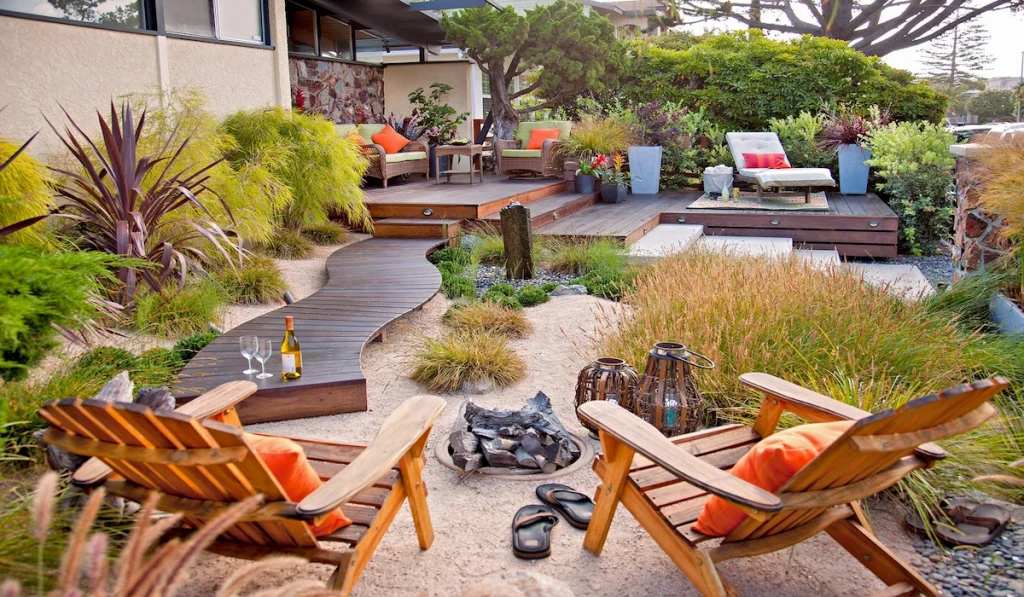
A well-designed landscape does more than improve curb appeal—it enhances daily living, supports local wildlife, and creates a calm, enjoyable outdoor space. Whether you’re starting with an empty yard or updating an existing garden, smart planning is key. The best part is that a beautiful landscape doesn’t require a big budget. With the right approach and regular care, you can create an attractive, functional, and eco-friendly yard.
Landscaping is also a rewarding DIY activity that offers physical exercise, stress relief, and environmental benefits. When done poorly, however, it can lead to wasted time and money. By following proven design and maintenance principles, you can avoid common mistakes and build a balanced, thriving outdoor space.
Below are five essential tips for better landscape design and maintenance, designed to help gardeners of all skill levels get the most out of their outdoor spaces.
1-Know Your Soil Type and Its Compatibility with Plants
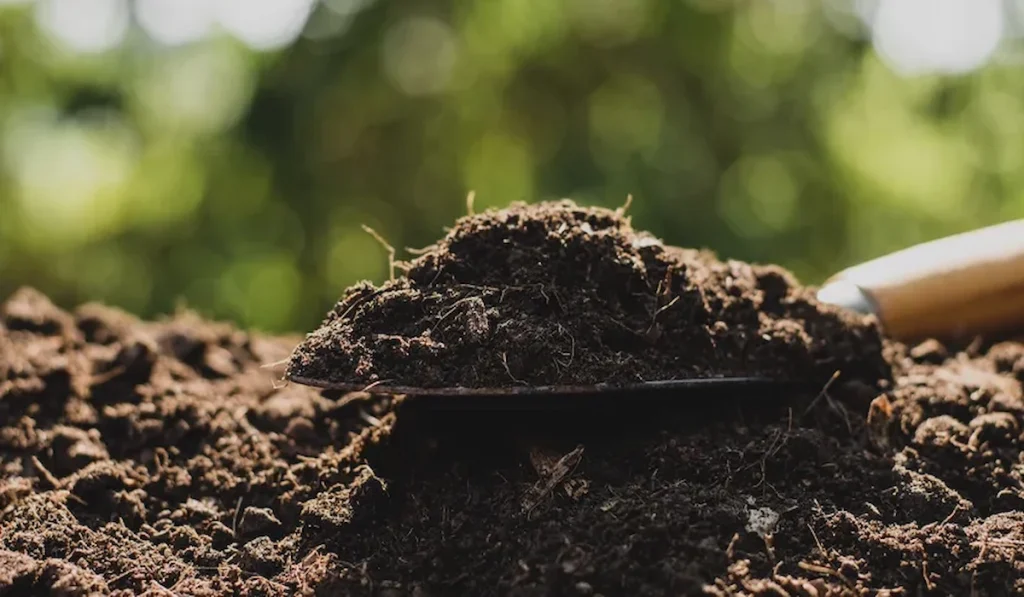
Understanding your soil is the foundation of successful landscape planning. Soil is not a one-size-fits-all medium. It varies significantly in texture, pH level, drainage capacity, and organic content—all of which directly affect plant growth.
The Role of Soil in Garden Success
Different plants thrive in different soil types. Some prefer acidic environments (such as azaleas and blueberries), while others grow best in alkaline conditions (such as lavender and clematis). Similarly, sandy soils are quick-draining and ideal for drought-tolerant plants, but they may lack nutrients.
On the other hand, clay soils retain water well but can suffocate plant roots if not managed properly. Loamy soil, a balanced mix of sand, silt, and clay, is often considered ideal for most landscaping needs.
How to Test Your Soil
You can buy a soil testing kit from a garden centre or send a sample to a local extension service for a more comprehensive analysis. These tests provide critical insights into pH levels, nutrient content, and soil composition, helping you make informed decisions on plant selection,fertilizerss, and amendments.
Amending Your Soil for Better Results
Once you know your soil type, you can enhance it accordingly:
- For sandy soil: Add organic matter such as compost, peat moss, or well-rotted manure to improve nutrient retention.
- For clay soil: Incorporate coarse sand and organic matter to improve drainage and aeration.
- For acidic soil: Add lime or crushed oyster shells to raise the pH.
- For alkaline soil: Mix in elemental sulphur or peat moss to lower the pH.
Proper soil management creates a strong foundation for healthy plants and reduces the need for excessive watering or chemicalfertilizerss.
2-Understand Plant Spacing and Growth Patterns
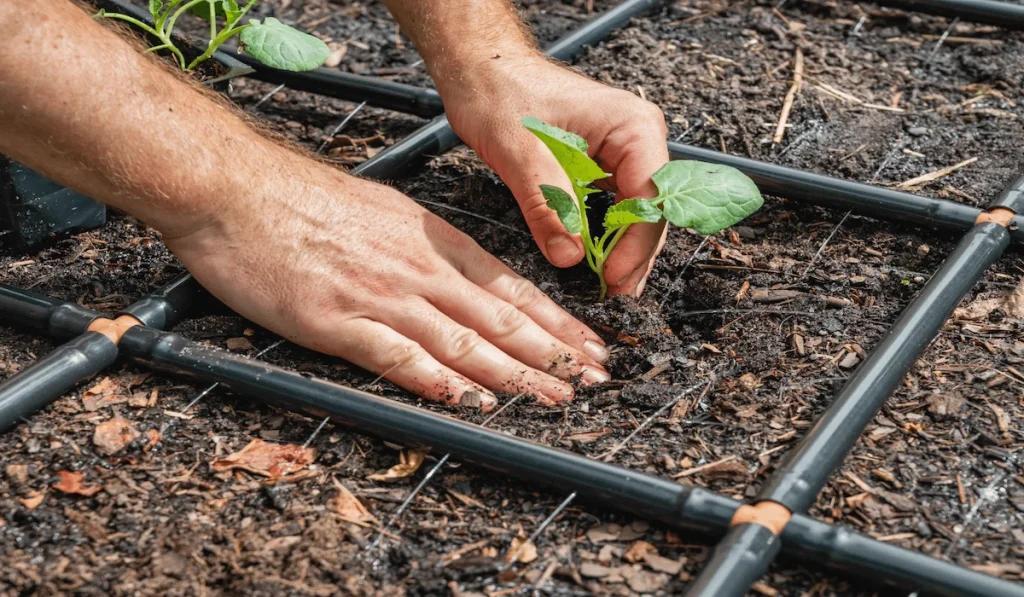
One of the most common mistakes in home landscaping is overplanting or improper spacing. It’s easy to underestimate how much room a plant needs when it’s still in a small container, but mature sizes must always be taken into account during planting.
Why Spacing Matters
Crowded plants struggle for sunlight, water, and nutrients. Their root systems compete underground, leading to stunted growth, disease, and even plant death. Over time, poor spacing can cause your garden to look chaotic and neglected.
Planning for Mature Size
Before planting, check each plant’s mature height and width. This information is usually provided on the plant’s tag or seed packet. Give trees and shrubs plenty of room to grow without overlapping with nearby structures or other plants.
Here are some general guidelines:
- Small shrubs: Space 2-4 feet apart, depending on mature width.
- Large shrubs and small trees: Allow at least 4-6 feet of clearance.
- Ground covers: Use denser spacing while still allowing for spread.
Incorporate walking paths, mulch borders, and edging elements to helporganizee the space and prevent overcrowding
3-Use Native Plants in Your Landscape Design
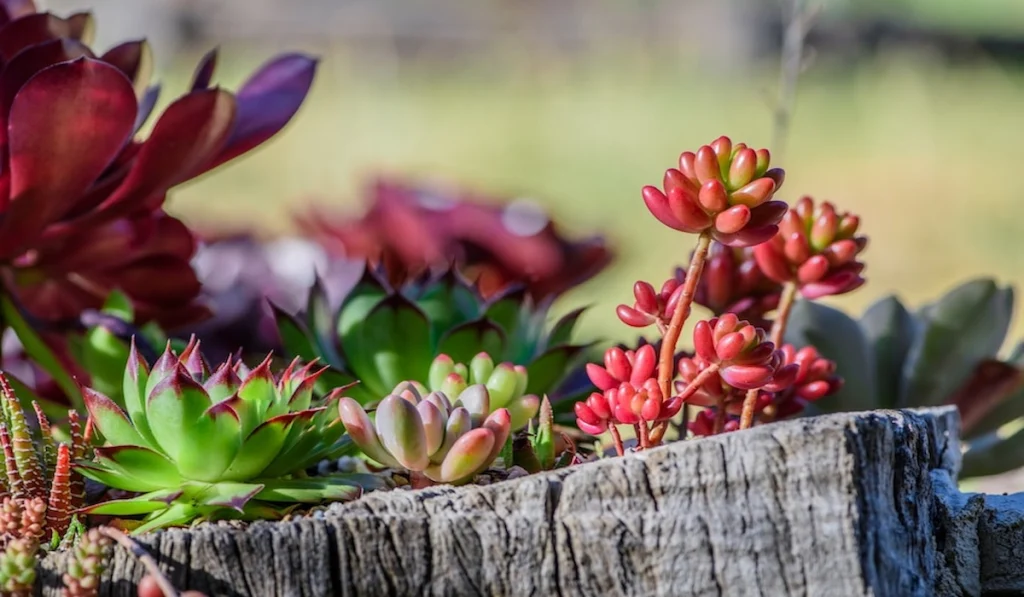
A key strategy for low-maintenance, environmentally sustainable landscaping is using native plants. These are species that naturally occur in your region and are adapted to local climate, soil, and weather patterns.
Advantages of Native Plants
- Low Maintenance: Native species require less wateri fertilisingngg, and pest control.
- Eco-Friendly: They support pollinators like bees, butterflies, and birds by providing natural habitats and food sources.
- Resilience: Indigenous plants are more resistant to local pests and diseases, making them a safer long-term investment.
Selecting the Right Native Plants
Conduct research to identify native plants suitable for your zone and soil conditions. You’ll discover a wide variety of options, including:
- Perennials: Black-eyed Susan, coneflowers, milkweed
- Shrubs: Serviceberry, elderberry, spicebush
- Groundcovers: Wild ginger, creeping phlox
- Grasses: Little bluestem, switchgrass
Combining these elements creates a balanced and natural-looking landscape that feels cohesive with the surrounding environment.
4-Plan for Seasonal Interest with Bloom Times in Mind
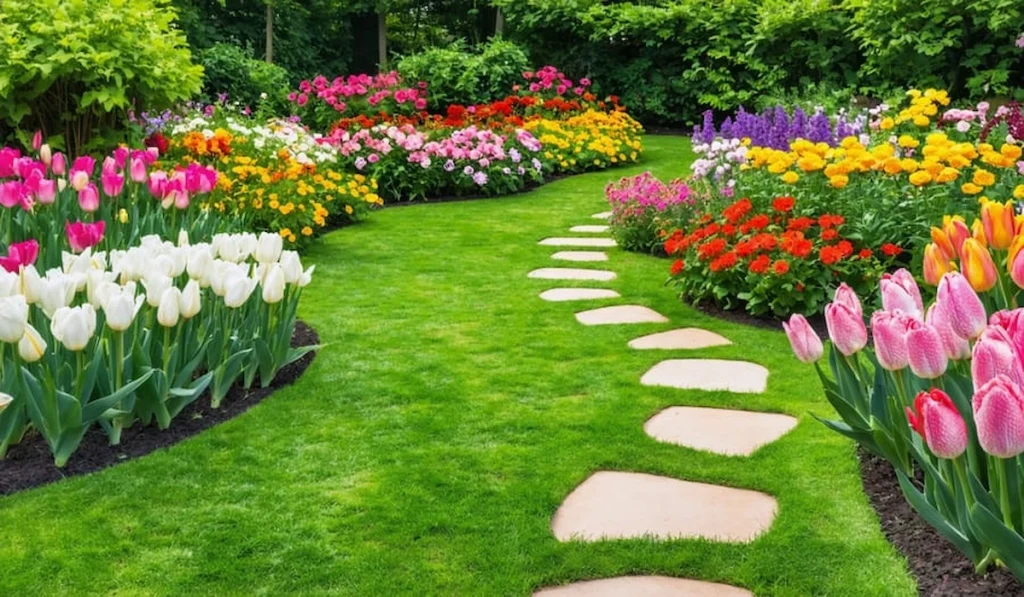
A truly captivating landscape evolves throughout the seasons. If all your plants bloom at the same time, your garden may look stunning for a few weeks and lifeless the rest of the year. Staggered bloom times ensure your yard remains colourful and engaging year-round.
Creating a Bloom Calendar
Use a mix of early, mid, and late-season bloomers to create a year-round floral display. Here’s an example:
- Early Spring: Tulips, daffodils, hyacinths
- Late Spring to Summer: Peonies, daylilies, iris
- Mid to Late Summer: Coneflowers, rudbeckia, phlox
- Fall: Sedum, asters, ornamental grasses
- Winter Interest: Holly, red twig dogwood, evergreen shrubs
Complement flower beds with evergreens, colourful bark, or decorative grasses to maintain interest when most flowers aren’t blooming. Also consider including ornamental trees and bushes that offer seasonal colour shifts in leaves or bark texture.
5-Use Mulch and Ground Cover for Function and Beauty
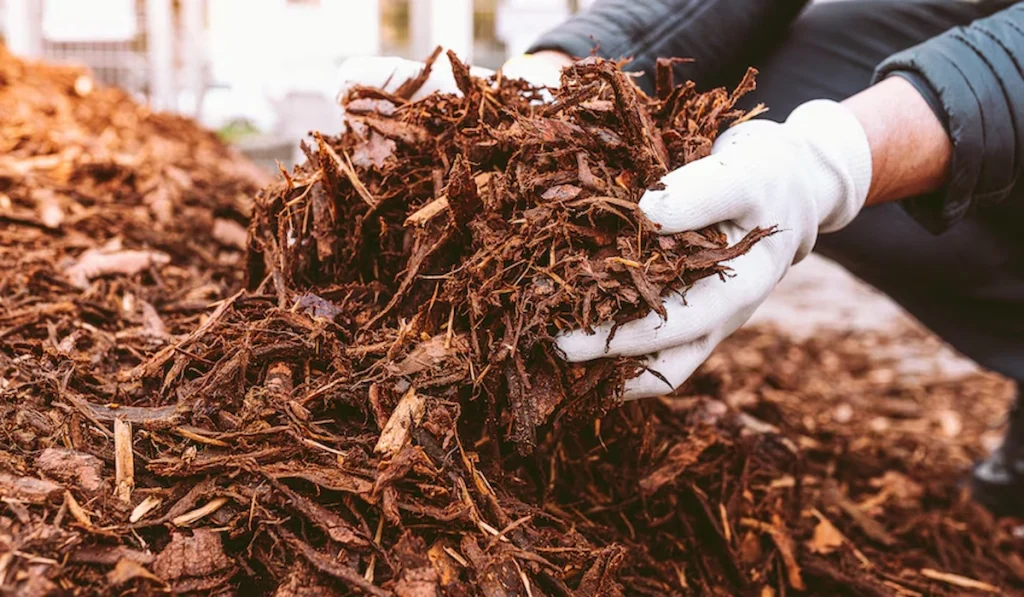
Mulch is more than just a finishing touch for garden beds—it’s a powerful tool for moisture retention, weed suppression, and soil improvement.
Benefits of Organic Mulch
- Moisture Retention: Reduces water evaporation from the soil, especially helpful during dry periods.
- Temperature Regulation: Keeps soil warmer in winter and cooler in summer.
Weed Prevention: Blocks light from reaching weed seeds.
Soil Enrichment: Decomposes over time, returning nutrients to the soil.
Wood chips, shredded bark, and composted leaves are excellent mulch materials. Spread them around shrubs, trees, and perennials, keeping them a few inches away from plant stems to prevent rot.
Alternative Ground Covers
In areas where grass struggles or maintenance is difficult, use low-growing ground covers. Options like creeping thyme, sedum, or chicks and hens are attractive and practical. These plants often require minimal mowing, tolerate poor soil, and can withstand foot traffic.
For shady spots, consider hostas, ferns, or wild ginger. For sunny areas, ice plant, lamb’s ear, and creeping juniper are hardy and eye-catching.
Bonus Tips for Landscape Success
Small details make a big difference in landscaping. Regular maintenance, seasonal adjustments, and choosing the right plants for your climate will keep your outdoor space healthy, attractive, and long-lasting.
Here are some important tips:
Incorporate Hardscape Features
Balance your landscape with hardscaping elements such as stone pathways, patios, garden walls, or decorative borders. These elements enhance structure, define spaces, and reduce the need for intensive lawn maintenance.
Practice Water-Wise Gardening
Use drip irrigation systems or soaker hoses to deliver water directly to the root zone, minimising evaporation and waste. Group plants with similar water needs to prevent overwatering or underwatering in specific areas.
Prune and Maintain Regularly
Routine pruning, deadheading, and thinning promote plant health and prevent overgrowth. Remove invasive species promptly and keep garden tools clean to prevent the spread of disease.
Compost for Healthy Soil
Instead of throwing away grass clippings, leaves, and kitchen scraps, compost them. Homemade compost improves soil fertility, helps retain moisture, and reduces reliance on chemicalfertilizerss.
Final Thoughts
Improving your landscape doesn’t require major renovations or professional teams. By understanding your soil, choosing the right plants, planning for seasons, and using efficient ground cover, you can create a beautiful, low-maintenance outdoor space that also supports local wildlife.
Landscaping blends creativity with practical planning, and with patience and experimentation, it becomes a rewarding experience. Whether designing a vibrant front yard or a relaxing backyard retreat, these tips will help you enjoy a balanced, attractive landscape year after year.