

When we look after plants, a common mistake many of us make is not cutting them often. You might think your plant is okay by itself, but not cutting it can cause many problems that hurt the plant’s health, look, and growth. It doesn’t matter if you’re a pro gardener or a newbie; knowing why cutting your plants matters is key to keeping them lively, strong, and thriving.
Cutting, or pruning, isn’t just to keep a plant’s shape or look. It’s crucial for better growth, new flowers, and keeping the plant healthy throughout its life. Many gardeners miss this key step, not knowing that failing to cut plants can negatively impact their health. If you’ve ever wondered why your plants aren’t growing well or look sick even though you water and feed them, it might be because you’re not cutting them often.
The Job of Cutting in Plant Health
Cutting your plant is more than a beauty job. It’s a big part of plant care that brings many good things. By cutting dead or big stems and leaves, you’re helping the plant use its power for healthier growth. Plants send food to their best parts, so cutting makes new growth happen and stops power loss in old or sick parts.
Another reason cutting is a must is to take away dead or sick leaves. Plants can catch many diseases, pests, and fungi. If you leave these bad parts on the plant, they can spread to the good parts. Cutting them often takes away the sick parts, lowering the chance of the disease spreading and maybe hurting the whole plant.
Also, cutting makes plants grow stronger. By trimming long, thin branches, you’re helping the plant grow thicker and more rigid. This can cause a bushier, healthier plant with more branches, which adds to the overall look of your plant. A well-trimmed plant looks better and balanced, giving a more nutritious and even look.
Making New Growth and Flowers Happen
One big reason cutting is vital is that it brings new growth. For many plants, cutting makes new leaves and flowers grow. Trimming old stems and leaves tells the plant to make new growth, often making the leaves look brighter and healthier. If you want your plants to keep growing, it’s key to cut them regularly.
Plants like roses, hydrangeas, and tomatoes do better when old growth is cut, allowing new stems and flowers to grow. It is essential for flowering plants, as cutting lets them use their power to make pretty, bright flowers. Without cutting, plants might stop growing new flowers.
The Danger of Too Much Growth
A clear sign of overwatering is too much growth. Big plants can get tangled or out of shape, making it hard to look after them. When a plant grows wild, it can become overgrown and unruly. It can also stop the plant from getting enough light, water, and food.
Big plants also often have inadequate air flow. If air can’t move well around the plant, dampness builds up, making a perfect place for mold, fungi, and pests to live. Too much growth can also block light from getting to the plant’s lower leaves and branches, making the plant grow poorly or get yellow leaves.
Besides changing how the plant looks, too much growth can also stop natural growth. Plants not cut often may get leggy, meaning their stems grow long and weak without enough leaves or flowers. Leggy plants are usually weaker and might fall over, and they might not grow as well as they could.
How Cutting Helps with the Plant’s Shape and Structure
Cutting is key to keeping a plant’s shape and structure. Without regular care, plants can quickly lose their original form, growing in all ways, which can make them look messy. When plants are cut, their growth moves to certain areas, creating a balanced and well-built form.
For example, when cutting a bush or shrub, trimming the outer branches can help the plant fill out and grow thicker in the middle. Also, cutting a tree or vine can help it grow upright, preventing it from becoming top-heavy and likely to fall over. A well-formed plant not only looks better but also grows better, with the best light and air flow, all key to the plant’s health.
When to Cut Your Plants
Timing is key when cutting plants. Cutting at the wrong time can hurt your plant or slow its growth. Mostly, the best time to trim most plants is when they are not growing, usually in late winter or early spring. At this time, the plant isn’t growing fast, so cutting won’t mess with the plant’s energy or stop it from making new growth.
For plants that flower, it’s key to know when they bloom and cut them at the right time. For instance, many flowers should be cut right after they finish blooming to help them grow again for the next season. On the other hand, some may need a light cut before they start to grow, to give them a boost.
For indoor plants, you can cut all year, but it’s still good to know when to trim things like dead leaves or old flowers. Cutting extra leaves when a plant is growing can make the plant use its energy to produce new, strong stems and leaves.
Why Using the Right Cutting Tools Matters
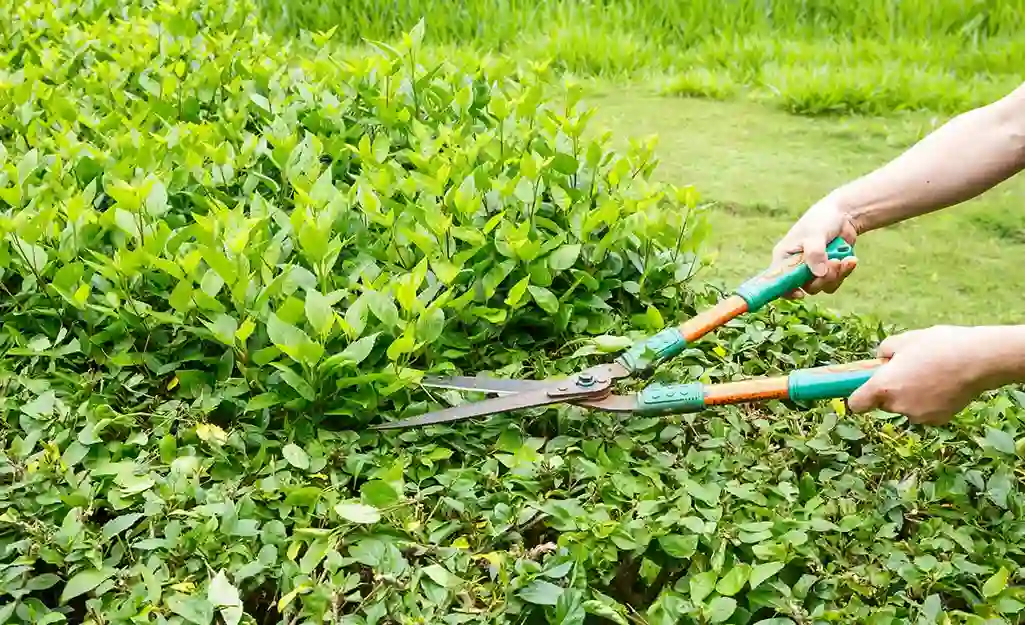
Having the right tools is as important as knowing when and how to cut. The wrong tools, like dull scissors or dirty shears, can hurt the plant, making it easy for diseases and pests to harm it. Sharp, clean tools help make smooth cuts, letting the plant heal fast.
When picking tools, ensure they fit the plant’s size. For small plants, sharp shears are fine, but for bigger plants or trees, you may need bigger tools like loppers or a saw. Keep your tools sharp and clean to avoid harm and keep your plants safe from disease.
How to Cut Different Plants
Cutting ways can differ based on the plant you have. For trees and shrubs, don’t cut too much at once. Make sure you leave enough plant to keep growing. For smaller plants or vines, cutting stems and leaves can lead to more branches and leaves.
When cutting flowering plants, only cut old blooms and any dead or yellow leaves. For perennials, cutting in early spring can push new shoots and flowers. Be careful not to cut the main stems or roots, as this can hurt the plant and slow its growth.
Emotional and Mental Gains of Cutting Plants
Besides the physical benefits, cutting plants has emotional and mental perks. Gardening can lessen stress and raise happiness. By cutting and caring for your plants, you’re helping a living thing, which can bring pride and joy.
Plants also help clean the air and make a calmer space. A healthy, well-kept plant can lessen anxiety and create a peaceful vibe. Taking time to cut your plants lets you connect with nature and feel deeply linked to your space.
Conclusion
In the end, not cutting your plants often can cause many problems, like overgrowth, poor health, and a lack of new growth. Cutting helps plants stay healthy, promotes new blooms, and keeps your plants looking great. Whether you have indoor plants, flowers, or trees, regular cutting is a must in plant care.
So, when you see your plant overgrown or with dead parts, take time to cut them back – your plants will thank you by growing well and adding beauty to your space. Regular cutting keeps plants healthy, helps new growth, and keeps your garden or indoor space bright and lively.
For expert tips on creating and maintaining your dream garden, check out Dreamscapes Florida, where you’ll find top-notch landscaping services that help you cultivate the perfect outdoor space.