

Creating a lush, green lawn is a dream for many homeowners. Whether you’re establishing a new lawn or repairing an existing one, one of the most important decisions you’ll face is whether to use sod or grass seed.
Both options can produce a beautiful result, but the right choice depends on your budget, time constraints, climate, and long-term lawn goals.
Understanding the Basics
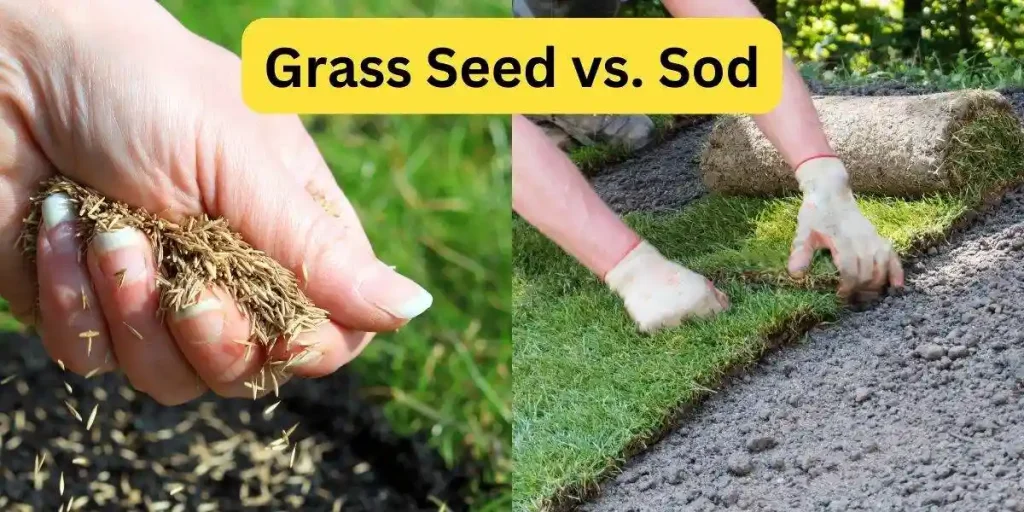
To begin, let’s understand the basic difference. Sod is essentially pre-grown grass that has been harvested with a thin layer of soil and roots intact, allowing for a seamless installation.
It’s rolled up like a carpet and installed on top of prepared soil. Seed, on the other hand, is simply grass seed that you spread over soil and nurture into growth over time.
The Instant Appeal of Sod
One of the most obvious advantages of sod is the instant gratification it provides. The moment it’s installed, your lawn looks complete and green. This is particularly helpful for those trying to sell a home, host an event, or simply want to achieve immediate curb appeal.
The rapid results of sod can also help reduce soil erosion immediately, especially on sloped landscapes or areas with heavy rainfall. Since the roots of sod are already mature, they can begin anchoring into the soil fairly quickly when properly watered and maintained.
The Cost of Convenience
However, the convenience of sod comes at a price. Sod is significantly more expensive than seed—not just in terms of product cost, but also in installation costs. If you’re hiring professionals to install it, the price rises even more.
And while sod establishes quickly on the surface, it takes time for the roots to integrate with your soil. During this initial period, improper watering or inadequate soil contact can lead to problems such as root dieback or patchy areas.
Seeding for Customization and Savings
On the other hand, seeding a lawn is far less expensive and offers a wider range of grass varieties to suit specific climates and soil types. With seed, you can choose from drought-resistant grasses, shade-tolerant varieties, or blends tailored to your region’s needs.
This flexibility enables the creation of more customized lawns that can thrive in diverse microclimates.
Stronger Roots with Time
Seeding also encourages grass to develop its root system right in your soil, leading to stronger long-term health if done correctly. However, patience is essential. Grass seed takes time to germinate, grow, and fill in. Depending on the species, it may take weeks or even months for your lawn to resemble something full and green.
During this time, the lawn will require careful watering, effective weed management, and protection from foot traffic and erosion.
Considering Climate and Conditions
Climate plays a significant role in determining whether sod or seed is better. In regions with consistent rainfall and moderate temperatures, grass seed has a better chance of germinating successfully without much interference.
In contrast, in hotter or drier climates where seedlings may struggle to survive, sod’s established roots provide a quicker and more reliable solution.
Maintenance Requirements
Maintenance is another factor to consider. With seed, the early stages require intensive care—frequent watering, weed control, and sometimes reseeding areas that don’t take. Birds and pests can eat seeds before they have a chance to sprout, and heavy rain can wash them away.
Sod, while not maintenance-free, requires a less delicate touch after installation. As long as it’s properly installed and irrigated, it will begin to root within a couple of weeks.
Timing and Seasonal Considerations
Timing is critical for both methods. For seeds, the best time to plant depends on the type of grass, but generally, spring and early fall are ideal planting times. These seasons offer the right balance of moisture and temperature for germination.
Sod can be installed during a wider range of seasons, but extreme heat or freezing conditions should be avoided. Sod may also require less flexibility in terms of weather since it arrives mature and simply needs to bond with the soil.
Variety and Flexibility
One area where seed often wins is variety. With sod, your choices are limited to the types of grass that sod farms grow and harvest. These are usually the most popular and widely adaptable types, but they may not be the best for your specific yard conditions. With seed, the options are far more extensive.
You can blend grasses for sun and shade, or choose specific cultivars that resist disease, drought, or high foot traffic.
Aesthetic Results Over Time
The aesthetic results of both sod and seed can be impressive, but they don’t always look the same. Sod often delivers a uniform, manicured appearance right away because it comes from carefully grown turf.
Seeded lawns may take time to even out, especially if germination is inconsistent or certain patches grow faster than others. However, over time, a well-seeded lawn can be just as lush and healthy—sometimes even more so—than sod.
Environmental Considerations
There’s also an environmental angle to consider. Seeded lawns often use fewer resources in production. Sod farms use large amounts of water, fertilizer, and labor to cultivate grass before it’s harvested and shipped.
Seeding, particularly if done with native or drought-tolerant species, can be a more eco-friendly option in the long term. That said, newly seeded lawns may require more frequent watering initially, which could offset that benefit if not managed carefully.
Potential Risks and Issues
Another concern with sod is that it can sometimes introduce unwanted pests or diseases into your yard. If the sod isn’t sourced carefully or handled properly before installation, problems can follow. Seed generally avoids this issue, though poor-quality seed blends or contaminated soil can also introduce complications.
Making the Right Choice
In summary, sod and seed both offer valid pathways to a beautiful lawn, but they suit different needs. Sod is ideal for those who want instant results, are willing to pay more, and don’t mind a limited variety of grass.
Seed is better for those on a budget, who have the time and patience to nurture growth, and who value long-term customization and root health.
Conclusion
When making the choice, evaluate your priorities. Are you in a rush, or can you wait? Do you want to save money, or is convenience more important to you? Is your yard flat or sloped? Shady or sunny? The answers to these questions will guide you toward the best decision.
No matter which path you choose, both sod and seed can lead to the same destination: a healthy, vibrant lawn that enhances your home and provides a space for play, relaxation, and pride.
Success lies not just in the method but in the care and attention you give your lawn after installation. With the right approach, either option can thrive—and so will your landscape.
If you’re ready to transform your outdoor space and want expert guidance on sod or seeding options, visit DreamScapes Florida for professional landscaping solutions.