

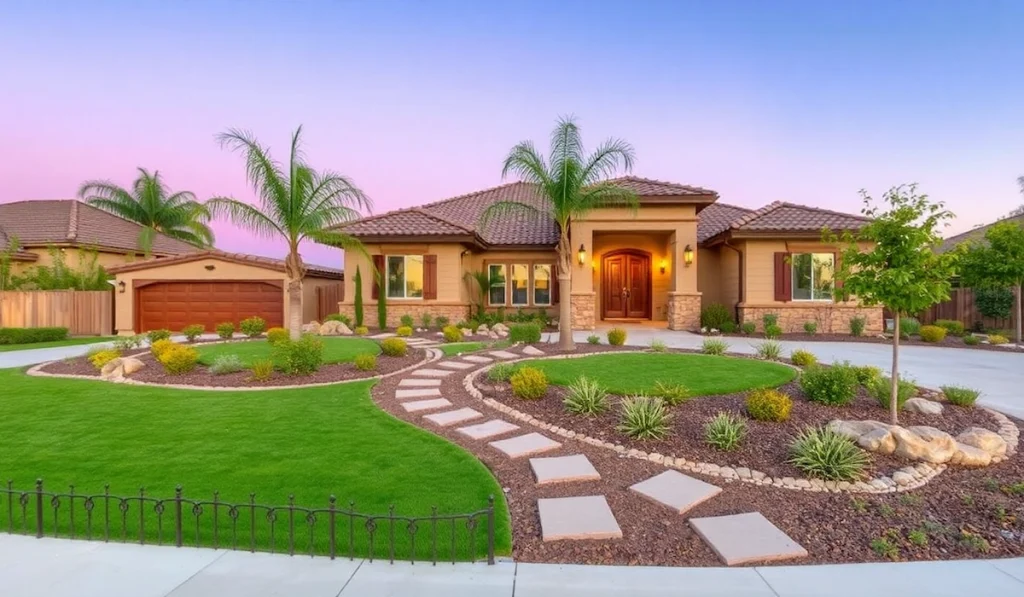
Landscaping can completely change how a home feels. A well-designed yard adds beauty, comfort, and value. But after working with hundreds of homeowners, many professional landscapers agree on one thing: some outdoor upgrades simply aren’t worth the money.
Homeowners often spend thousands on features that look impressive at first but quickly turn into maintenance headaches or underused spaces. The goal isn’t to spend less on landscaping—it’s to spend smarter. Based on real-world experience, here are five landscaping features that landscapers consistently advise you to think twice about before splurging.
1. Overly Complex Water Features
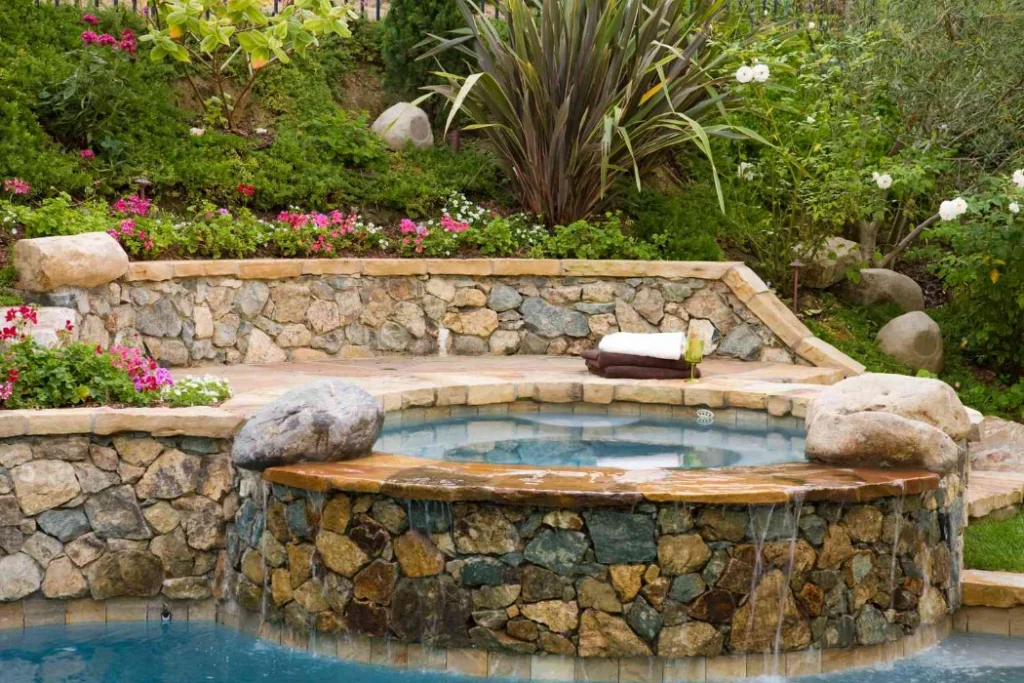
Water features are one of the most requested landscaping upgrades. The idea of a peaceful waterfall or koi pond sounds appealing on paper, but in practice, complex water features rarely meet expectations.
Large fountains, multi-tier waterfalls, and fish ponds come with high installation costs, and that’s just the beginning. Pumps fail, filters clog, algae build up, and leaks often occur after the first year. Landscapers frequently receive calls from homeowners who no longer use their water features because it’s too much work to maintain.
Another issue is consistency. When water features stop running regularly, they can quickly become eyesores rather than focal points. Stagnant water attracts insects, creates unpleasant odours, and can even damage surrounding landscaping.
A simpler option often works better. Small recirculating water bowls, bird baths, or decorative dry creek beds offer the same calming effect without constant upkeep. These alternatives still add charm and movement to the yard while keeping maintenance minimal.
2. Exotic or High-Maintenance Plants
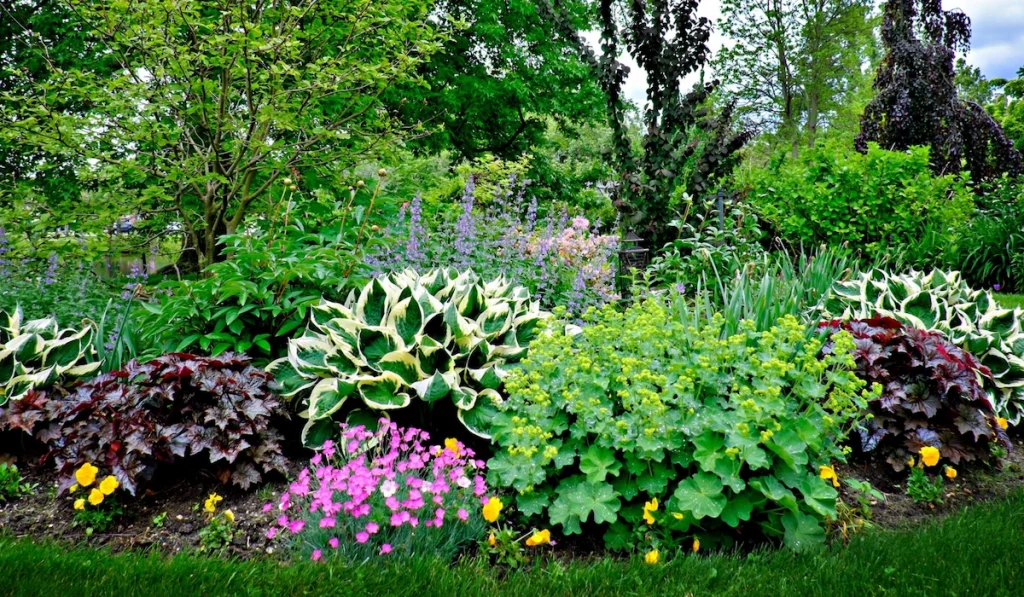
Rare plants and exotic species often look stunning at the garden centre. Bright colours, unusual shapes, and unique foliage can be tempting. However, landscapers see this mistake more than almost any other.
Plants that don’t naturally thrive in your local climate require extra water, special fertilizers, and constant attention. Even with professional care, many of these plants struggle to survive in the long term. Homeowners repeatedly replace them, driving up landscaping costs over time.
Another problem is growth expectations. Some exotic plants grow much more slowly than promised, while others outgrow their space and require expensive pruning or removal. What starts as a design highlight can quickly become a problem area.
Experienced landscapers almost always recommend native or climate-adapted plants. These plants are naturally suited to the soil and weather conditions, making them easier to maintain and more resilient. Over time, they grow fuller and healthier, often looking better than imported varieties—without the ongoing stress and expense.
3. Premium Natural Stone Everywhere
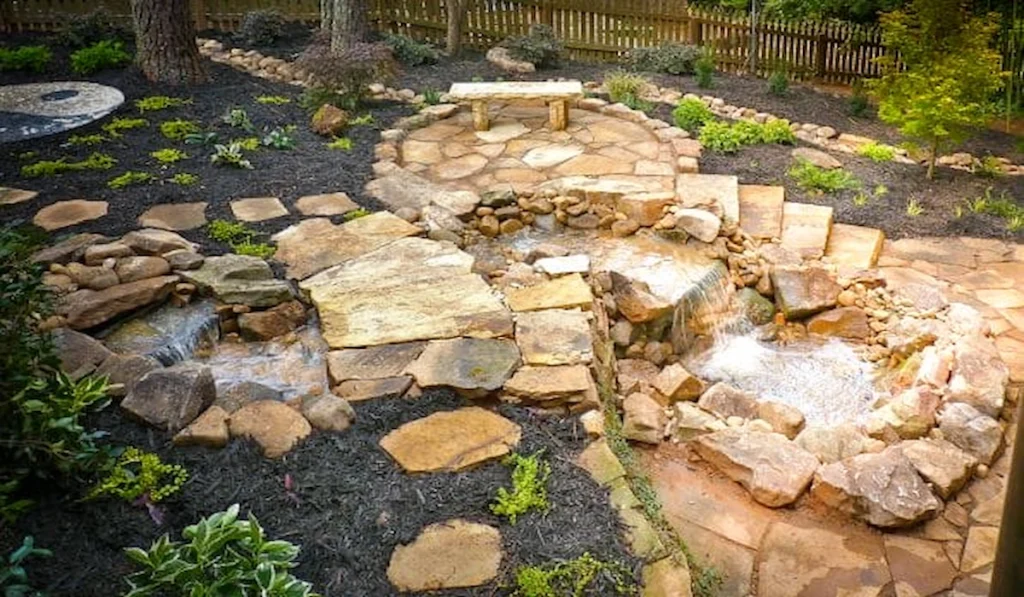
Natural stone has timeless appeal and, when used thoughtfully, can elevate a landscape design. The problem comes when homeowners try to use premium stone for every surface—patios, walkways, retaining walls, and borders.
High-end stone materials come with steep material costs and equally high labor expenses. Installation takes longer, repairs are difficult, and replacing damaged sections often means tearing up large areas. Landscapers also point out that natural stone can shift, stain, or crack over time, especially in areas with changing weather conditions.
Another overlooked issue is comfort. Some natural stone surfaces become slippery when wet or extremely hot under direct sunlight, making them less practical for everyday use.
A more balanced approach delivers better results. Concrete pavers, stamped concrete, or mixed-material designs provide the look of stone at a fraction of the cost. Using premium stone selectively—such as for an accent wall or entry feature—creates visual impact without draining the budget.
4. Built-In Outdoor Kitchens
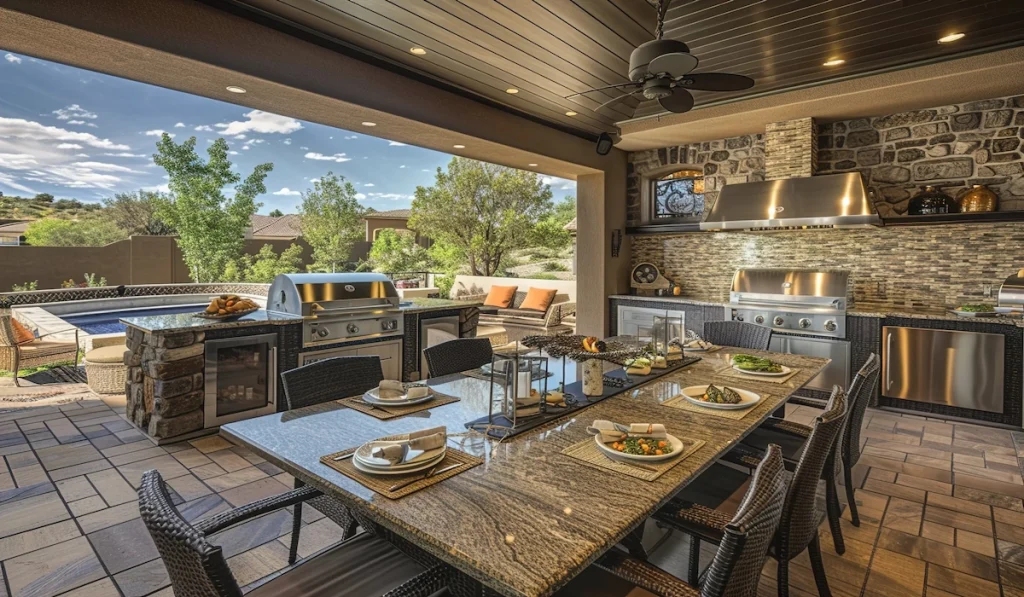
Outdoor kitchens are often marketed as luxury upgrades that transform outdoor living. While they can be great for certain households, landscapers frequently see homeowners overspend on features they rarely use.
Permanent outdoor kitchens include built-in grills, sinks, refrigerators, storage cabinets, and sometimes even pizza ovens. These elements are exposed to weather year-round, leading to rust, electrical issues, and appliance failures. Repairs can be expensive, and replacement parts are not always readily available.
Another concern is usage. Many homeowners imagine hosting large gatherings regularly, but in reality, outdoor kitchens are used only a handful of times each year. When tastes or lifestyles change, these fixed installations are difficult to modify or remove.
A more flexible option often works better. Portable grills, modular cooking stations, and movable prep tables allow homeowners to enjoy outdoor cooking without the long-term commitment. These setups are easier to store, replace, and upgrade as needs change.
5. Oversized Lawns
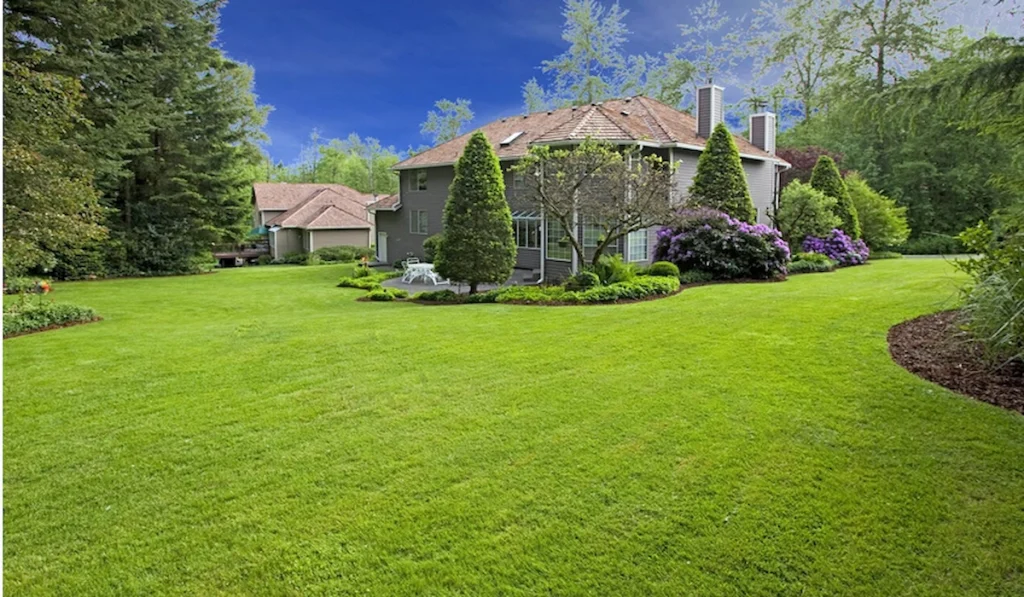
A large, open lawn is often associated with luxury landscaping, but from a practical standpoint, it’s one of the biggest money drains. Landscapers frequently advise against expanding grass areas without careful consideration.
Large lawns require constant watering, mowing, fertilizing, and pest control. Over time, water bills rise, maintenance becomes more demanding, and the environmental impact increases. Many homeowners also underestimate the time and effort required to maintain a large lawn.
Another issue is usability. Large areas of grass often go unused, especially in backyards without clear activity zones. What looks impressive from a distance may not actually enhance daily life.
Reducing lawn size can improve both aesthetics and function. Incorporating ground covers, garden beds, native plants, and hardscaping elements creates a more interesting landscape while lowering maintenance costs. Smaller lawns are easier to care for and often look better year-round.
Common Landscaping Mistakes Landscapers See
Many landscaping regrets stem from overemphasising trends at the expense of long-term performance. Homeowners often choose features based on social media inspiration without considering climate, maintenance needs, or how the space will actually be used.
Another common mistake is ignoring ongoing costs. Installation is only part of the investment—watering, repairs, replacements, and upkeep add up quickly. Over-customizing outdoor spaces can also limit flexibility and reduce overall enjoyment.
How to Spend Landscaping Money Wisely
Landscapers consistently recommend investing in the fundamentals first. Good soil, proper drainage, and a thoughtful layout make a bigger difference than expensive add-ons. Durable materials and low-maintenance plants create landscapes that look good for years instead of just one season.
Planning for growth is equally important. Landscapes evolve over time, and designs that allow plants and features to mature naturally often provide the best return on investment.
Conclusion
Landscaping doesn’t have to be expensive to be beautiful. In fact, many of the most impressive outdoor spaces are built around smart choices rather than costly upgrades. By avoiding these common splurges, homeowners can save thousands while still creating functional, inviting landscapes.
According to landscapers, the key is simple: focus on durability, practicality, and long-term enjoyment. Thoughtful planning will always outperform trendy, high-maintenance features—and your yard will thank you for it.