

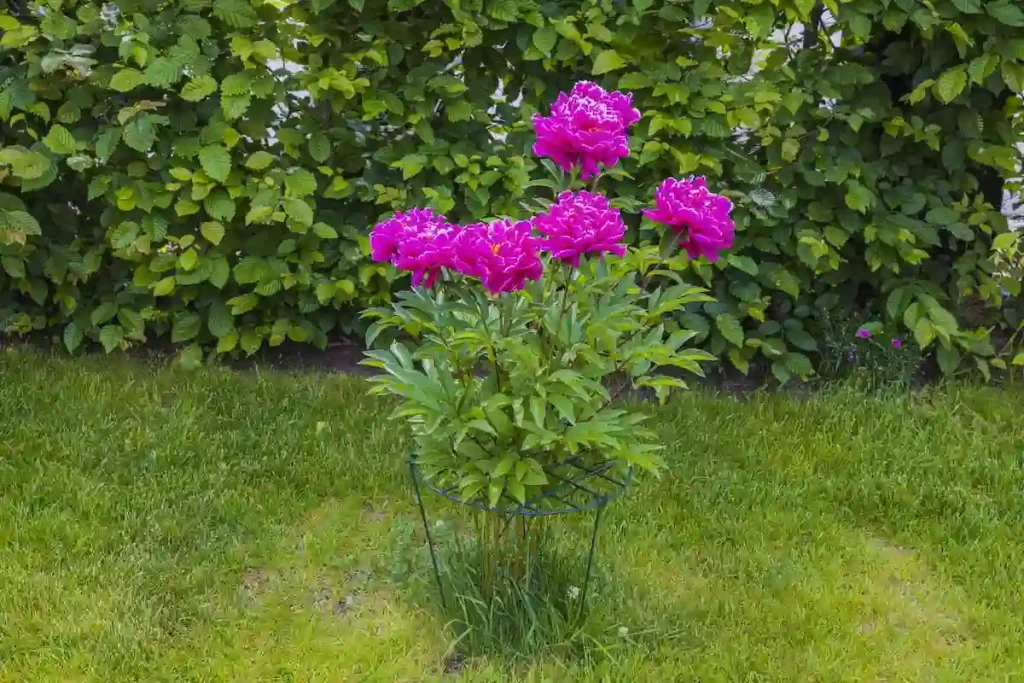
Peonies are one of the most beloved flowers in spring gardens due to their large, fragrant blooms. However, as beautiful as they are, these plants can sometimes become top-heavy and risk falling over, especially when they are full of blooms. To ensure your peonies stay upright and continue to thrive, gardeners have come up with several helpful strategies to keep them from falling over. Whether you’re a seasoned gardener or just starting, these tips will help you keep your peonies healthy and standing tall throughout the season.
Proper Planting Technique for Stronger Peonies
One of the first steps to preventing your peonies from falling over is ensuring that they are planted properly. When planting peonies, make sure they are placed in well-drained soil with plenty of sunlight. Poor planting practices can weaken the plant’s structure, making it more susceptible to collapsing under the weight of its blooms. Additionally, ensure that you plant the peony at the correct depth. The eyes (buds) of the peony should be planted about 2 inches below the surface of the soil. If planted too deep, the peony may fail to bloom or grow weak stems, which increases the likelihood of toppling.
Use Staking or Support Systems
One of the most common methods gardeners use to keep peonies from falling over is staking. A sturdy stake or support system can help keep the plant upright as it grows and begins to flower. You can use bamboo stakes, metal cages, or peony-specific support rings that gently hold the stems in place. It’s best to install these supports early in the growing season before the plant becomes too large. Installing supports once the plant has already started blooming can damage delicate stems or disrupt the plant’s growth.
Prune Your Peonies Regularly
Pruning is another effective strategy for keeping peonies from falling over. Regularly removing dead or damaged foliage will help direct the plant’s energy into producing strong, healthy growth. Additionally, cutting back some of the blooms when the plant starts to look too heavy can help reduce the overall weight. While peonies typically require minimal pruning, removing any weak stems will help balance the plant’s structure. Be cautious when cutting flowers for indoor arrangements, as removing too many can weaken the plant’s ability to stand firm.
Mulch to Protect Roots and Support Growth
Mulching around your peonies can also play an essential role in keeping them from falling over. Mulch helps to stabilize the soil, protect the roots, and retain moisture, allowing the plant to grow strong. A layer of mulch can also support the peony’s stems by preventing soil erosion, which can sometimes cause the plant to lean or topple. Be sure to apply mulch evenly around the base of the plant, but avoid covering the crown, as it can cause rot if moisture gets trapped around the base.
Choose the Right Peony Variety for Your Garden
Different varieties of peonies can have varying strengths and structural characteristics. Some types, such as tree peonies, tend to be sturdier and less likely to fall over than herbaceous varieties. When selecting peonies for your garden, consider opting for more resilient types if you live in an area where wind or heavy rain is a concern. Choosing peony varieties that are known for their sturdy stems can help reduce the need for additional support systems.
Watering and Feeding Practices
Proper watering and feeding also contribute to the strength and stability of your peonies. Overwatering can lead to weak stems, while underwatering may prevent the plant from developing strong roots. Peonies require consistent moisture, especially during their growing season, but be sure the soil is well-drained to prevent root rot. Additionally, feeding your peonies with a balanced fertilizer can help promote healthy growth. Avoid excessive nitrogen, as it can cause excessive foliage growth that may weigh down the plant. A slow-release fertilizer can give your peonies the nutrients they need for sturdy stems and beautiful blooms.
Plant Peonies in a Wind-Sheltered Location
Another factor that can contribute to peonies falling over is wind. Peonies are relatively tall plants with heavy blooms, making them vulnerable to strong gusts. To protect your peonies, try planting them in a location that is sheltered from the wind. This could be near a fence, wall, or a row of taller plants that act as a natural windbreak. The right location will give your peonies the best chance to grow strong and stay upright, even during stormy weather.
Tie Peonies Gently for Extra Support
If you notice that your peonies are leaning or starting to fall over, tying them gently with soft twine or string can provide temporary support. Be sure to tie them loosely to avoid cutting into the stems, which can cause damage. You can tie the stems to stakes or nearby structures, providing additional support as the flowers mature. However, this should be done with caution to ensure the plant’s growth isn’t hindered by the tie.
Conclusion
Keeping your peonies from falling over requires a combination of proper planting, regular maintenance, and supportive strategies. From staking and pruning to selecting the right location and variety, there are numerous ways to ensure your peonies remain strong and healthy throughout the spring season. By following these expert tips, you’ll not only enjoy stunning blooms but also prevent any frustrations that come with collapsed or damaged plants. With a little care and attention, you need expert guidance to help your peonies continue to thrive and stand tall for many seasons to come. Hire an expert like Dreamscapes Florida to help you achieve the perfect garden.