

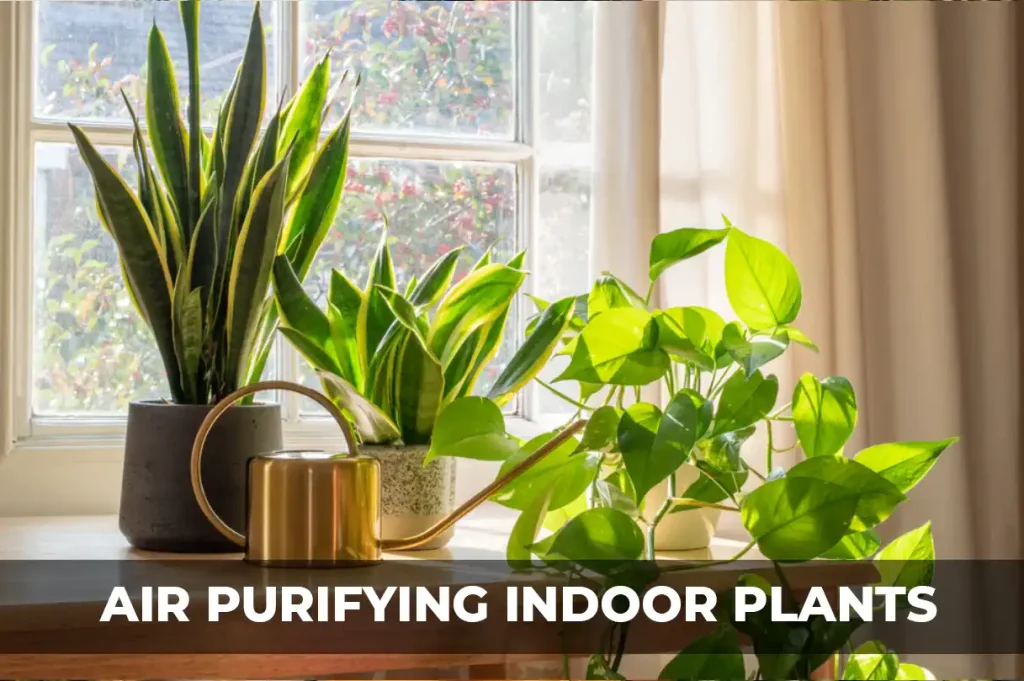
Indoor plants have long been recognized for their aesthetic appeal, but they also offer health benefits that go beyond decoration. One of the most significant advantages of having plants in your home is their ability to purify the air. Plants naturally absorb carbon dioxide and release oxygen, helping to improve indoor air quality. Certain plants are especially effective at removing toxins, dust, and other pollutants, creating a healthier living environment. In this guide, we will explore the best indoor plants for purifying the air, how they work, and tips on how to care for them.
How Indoor Plants Purify the Air
Before diving into the best air-purifying plants, it’s important to understand how they work. Plants help improve air quality through a process known as phytoremediation. Essentially, plants absorb harmful substances such as formaldehyde, benzene, and trichloroethylene through their leaves and roots. These toxins are then broken down and converted into less harmful substances. In addition to this process, plants also release oxygen and increase humidity, which can be beneficial for breathing.
Indoor plants are particularly effective at cleaning the air in rooms that may have poor ventilation, such as bedrooms, kitchens, and home offices. The best air-purifying plants can remove harmful chemicals from the air, improving the overall health of the space.
Benefits of Having Air-Purifying Plants
Improved Air Quality: As mentioned, air-purifying plants can absorb toxins and release oxygen, contributing to a cleaner and healthier indoor environment.
Stress Reduction: Studies have shown that being around plants can help reduce stress levels. The presence of greenery has a calming effect, making your home feel more relaxing and peaceful.
Increased Humidity: Plants naturally release moisture into the air through a process called transpiration. This can help maintain optimal humidity levels, which is especially beneficial in dry environments or during colder months.
Better Sleep: Some indoor plants, like lavender, have soothing properties that can promote relaxation and improve sleep quality. Plants can also help regulate the temperature of the room, keeping it comfortable for sleep.
Enhanced Aesthetic Appeal: In addition to their air-purifying qualities, indoor plants bring a sense of natural beauty to your home. Whether placed in a corner or along a windowsill, plants add a touch of life to any room.
Best Indoor Plants for Air Purification
Now that you understand the benefits of having indoor plants, let’s take a look at the best plants for purifying the air.
1. Snake Plant (Sansevieria trifasciata)
The snake plant is one of the best plants for improving indoor air quality. It is known for its ability to remove toxins like formaldehyde, benzene, and xylene. Snake plants are also unique in that they continue to release oxygen at night, unlike most plants that only do so during the day. This makes them ideal for bedrooms where clean air is essential for a good night’s sleep. Additionally, snake plants are incredibly low-maintenance, thriving in low light and requiring only occasional watering.
2. Spider Plant (Chlorophytum comosum)
Spider plants are not only beautiful but also effective at purifying the air. They are known to remove formaldehyde, xylene, and toluene from the air. These plants are easy to care for, requiring moderate light and occasional watering. Spider plants are also great for improving humidity, which can be especially beneficial in dry climates.
3. Peace Lily (Spathiphyllum)
The peace lily is another excellent air-purifying plant that is also known for its beautiful white blooms. Peace lilies are particularly effective at removing volatile organic compounds (VOCs) such as formaldehyde, benzene, and trichloroethylene. They are also known for their ability to improve indoor humidity levels, making them a great addition to any home. Peace lilies thrive in low to moderate light conditions and only need to be watered when the soil feels dry.
4. Aloe Vera (Aloe barbadensis miller)
Aloe vera is not only beneficial for its medicinal properties but also for its ability to purify the air. This plant is known to remove formaldehyde and benzene from the air. Aloe vera is a succulent plant that requires minimal care, thriving in bright, indirect light. It is an excellent choice for kitchens, where its purifying qualities can help reduce harmful chemicals from cooking.
5. Areca Palm (Dypsis lutescens)
The areca palm, also known as the butterfly palm, is a popular choice for indoor spaces due to its ability to purify the air. It effectively removes formaldehyde, xylene, and toluene. Additionally, areca palms are known for their ability to add moisture to the air, which is beneficial in dry environments. These plants prefer bright, indirect light and should be watered regularly but not overwatered.
6. Boston Fern (Nephrolepis exaltata)
Boston ferns are another great plant for improving indoor air quality. They are particularly effective at removing formaldehyde and xylene from the air. Boston ferns thrive in high humidity, making them ideal for bathrooms or kitchens. They require indirect light and consistent moisture, so be sure to keep the soil damp but not soggy.
7. English Ivy (Hedera helix)
English ivy is a versatile and easy-to-grow plant that is effective at purifying the air. It can remove formaldehyde, benzene, and xylene from the air. English ivy is particularly good at improving air quality in damp or humid environments. This plant is perfect for hanging baskets or as a climbing vine along trellises. It prefers moderate light and requires regular watering.
8. Rubber Plant (Ficus elastica)
The rubber plant is a large, attractive plant that is effective at removing formaldehyde from the air. It is easy to care for, requiring moderate light and occasional watering. Rubber plants are ideal for larger spaces such as living rooms or offices. In addition to purifying the air, rubber plants also add a touch of greenery and elegance to any room.
9. Dracaena (Dracaena spp.)
Dracaena plants are well-known for their ability to remove toxins like formaldehyde, benzene, and trichloroethylene. They come in various species, including the popular Dracaena marginata and Dracaena fragrans. These plants thrive in low to medium light and require occasional watering. Dracaenas are perfect for office spaces or living rooms, adding both beauty and air-purifying qualities to the environment.
10. Bamboo Palm (Chamaedorea seifrizii)
The bamboo palm, also known as the reed palm, is a popular choice for purifying the air. It is highly effective at removing formaldehyde, benzene, and trichloroethylene from the air. Bamboo palms are ideal for areas with low light and require consistent moisture. This plant is perfect for offices or living rooms where air quality is a concern.
Tips for Caring for Air-Purifying Plants
While indoor plants are low-maintenance in general, providing the right conditions for them to thrive is crucial for optimal air purification. Here are some care tips to keep in mind:
1-Light: Most air-purifying plants prefer bright, indirect light, but some can tolerate low light conditions. Make sure to place your plants in locations where they can get the appropriate amount of light for their needs.
2-Watering: Overwatering is one of the most common mistakes when caring for indoor plants. Be sure to check the soil before watering and only water when it feels dry. Some plants, like the snake plant and aloe vera, prefer to dry out completely between waterings.
3-Humidity: Many air-purifying plants, such as Boston ferns and bamboo palms, thrive in humid environments. If you live in a dry area, consider placing a humidifier near your plants or misting them occasionally.
4-Cleaning: Dust can accumulate on plant leaves and reduce their ability to purify the air. Wipe the leaves with a damp cloth regularly to keep them clean and free from dust.
5-Repotting: As plants grow, they may outgrow their pots. Repotting them into a larger container will provide enough space for the roots to expand and continue growing.
For expert landscaping services and creative garden designs, visit Dreamscapes Florida to transform your outdoor space.