


Creating a beautiful and functional garden is one of the most rewarding things you can do for your home. Whether you’re purchasing a new house or improving an old one, the land around it deserves as much attention as the interior. A thoughtfully designed outdoor space can transform your property and your lifestyle.
Modern outdoor living trends and innovative landscape design techniques now allow every square foot of your property to be both usable and visually appealing. Even sloped or awkward plots can become stunning outdoor sanctuaries with the proper grading, terracing, and planting strategies.
A well-structured garden can also increase your home’s resale value, improve air quality, and offer a serene escape from daily stress. A garden that thrives year-round doesn’t happen by accident. It requires a combination of creativity, knowledge, and practical planning. If you treat your garden as an extension of your home, you’ll discover how landscaping can create spaces for entertainment, relaxation & everyday living.
Whether you’re interested in backyard makeovers, small garden ideas, or how to maximise a narrow space, clever landscaping techniques can turn your vision into reality.
From adding decorative paths and seasonal flowers to establishing zones that serve different purposes, your garden can reflect your lifestyle while enhancing your environment.
Transforming Outdoor Spaces with Modern Landscaping
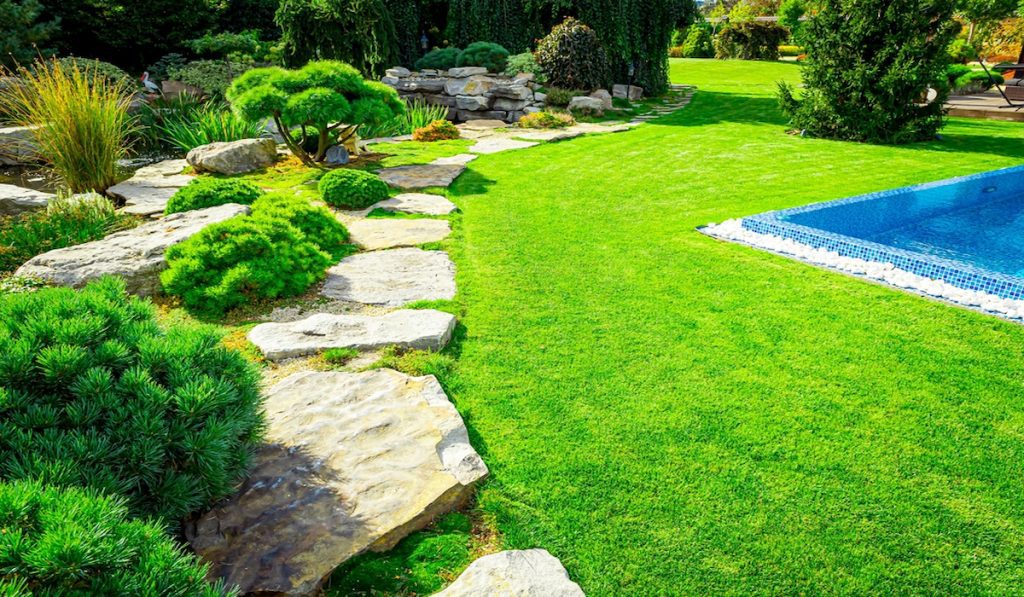
Thanks to advancements in soil enrichment, fencing materials, irrigation systems, and garden technology, even the most limited plots can be transformed into lush, vibrant oases. Modern landscaping techniques are more sustainable, efficient, and accessible than ever before.
You can now choose from a wide range of drought-tolerant plants, eco-friendly fertilisers & pest control methods that are both effective and gentle on the environment. Innovations in sustainable landscaping have also introduced stronger, disease-resistant plants and efficient tools that make maintenance less time-consuming.
Hybrid varieties of flowering trees, ornamental shrubs, and colourful perennials now offer an expansive palette for custom garden design. This lets you create visual impact year-round, while maintaining cohesion with your home’s architecture.
You can even incorporate vertical gardens, water features, and container plants for added texture and structure. For homeowners looking to increase curb appeal and overall property value, investing in modern landscape design delivers both aesthetic and practical returns.
Using layered planting techniques, bright edging, and integrated lighting can further enhance usability and visual flow. These details elevate even the most straightforward garden layout into a professionally styled space.
If your garden is exposed to intense sun or wind, structural elements such as pergolas, privacy screens & weather-resistant furniture can enhance comfort while protecting your plants.
Partnering with experts, such as those offered by services specialising in garden transformations and creative landscaping solutions, can help bring these ideas to life.
A Garden That Complements Your Home
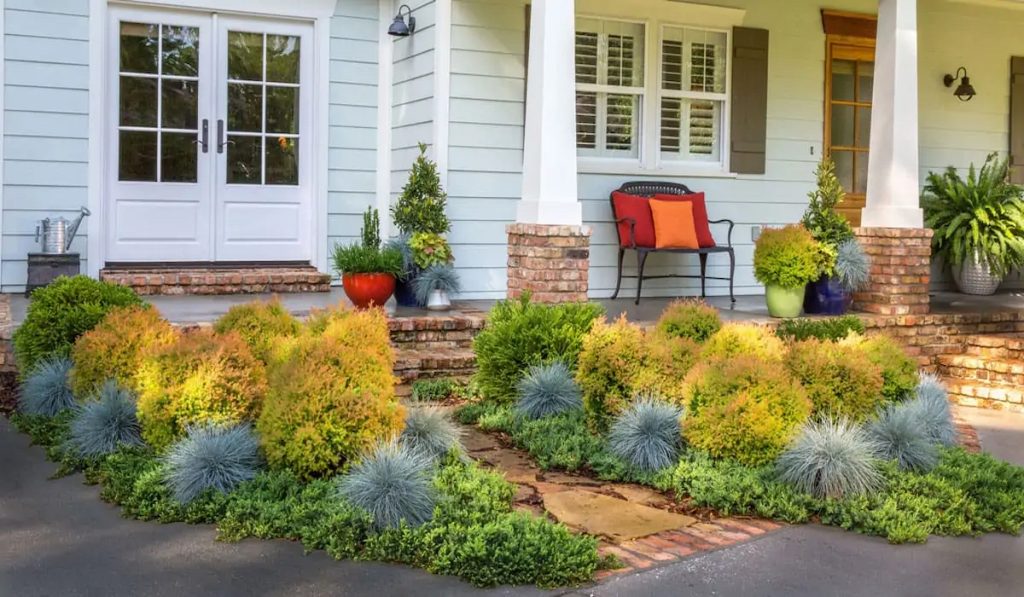
Homes are more connected to the outdoors than ever before. Large windows, glass walls, sunrooms, and open terraces blur the lines between inside and out, making the garden an extension of your living space.
This design trend is not just about aesthetics—it’s about lifestyle enhancement. Natural light, fresh air, and calming outdoor views can improve your mood, reduce stress, and encourage more time spent outside. As such, the view from your windows has become just as important as your wallpaper or furniture.
A lush, thoughtfully planned garden with blooming borders, manicured lawns, and strategically placed trees not only enhances your hhome’sfaçade but also enriches your indoor experience.
Colourful flowerbeds seen from a kitchen window, or the soft sway of ornamental grasses viewed from a bedroom, offer daily sensory delight. When a garden is designed in harmony with your architectural elements, it becomes more than a yard—it becomes a seamless part of your daily living environment.
By aligning the layout with the flow of indoor spaces, you can create visual continuity and encourage more interaction with the outdoors. A dining room that opens onto a patio, or a cozy reading nook that overlooks a private garden area, promotes year-round enjoyment.
Even outdoor lighting, when carefully chosen, can extend your usability into the evening, making it a welcoming retreat after dark.
Planning Your Garden with Purpose
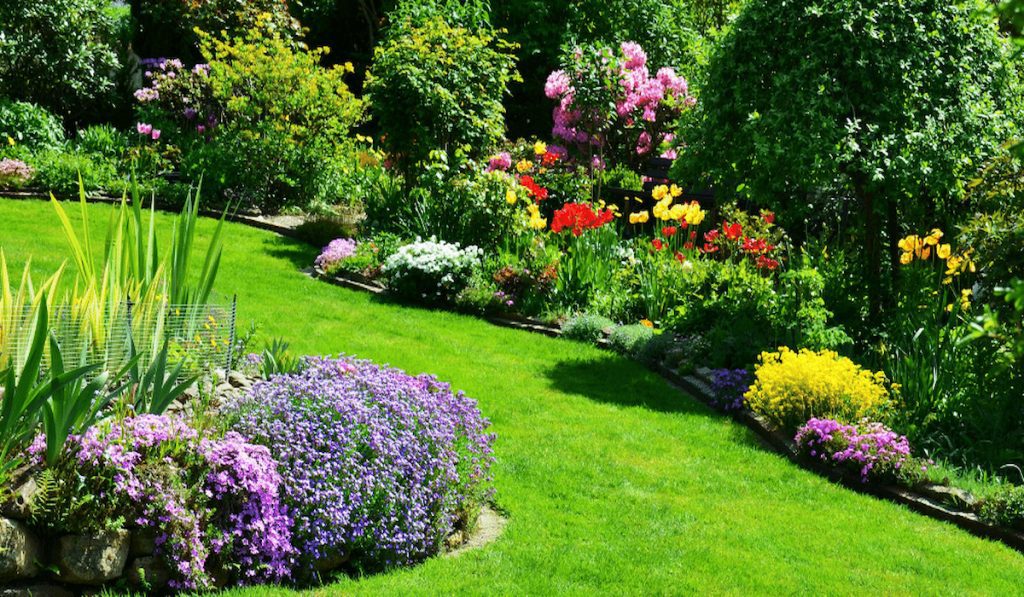
When you begin planning your landscape, treat it with the same care as you would your interior. Consider elements like proportion, texture, colour harmony, and layout.
A garden design that reflects your personal style and your needs will serve you far better than one based purely on aesthetics. Whether your lot is expansive or modest, each corner of your outdoor space should serve a purpose or offer visual pleasure.
Start with a comprehensive garden plan. This doesn’t require professional drafting—just a simple sketch, drawn to scale, is enough to identify the features you want and where they should go.
Think about the movement across your yard, the prevailing wind direction, and how rainwater drains. These factors influence plant placement, seating areas & hardscaping features.
Understanding your garden’s microclimates can help you choose the right plants for each area, minimising failures and maintenance. If your soil quality varies across the yard, amend it accordingly or group plants with similar needs together.
A purpose-driven garden doesn’t just happen—a result of observing your space, setting clear goals, and developing a practical layout that brings those goals to life.
Designing a Garden That Fits Your Family
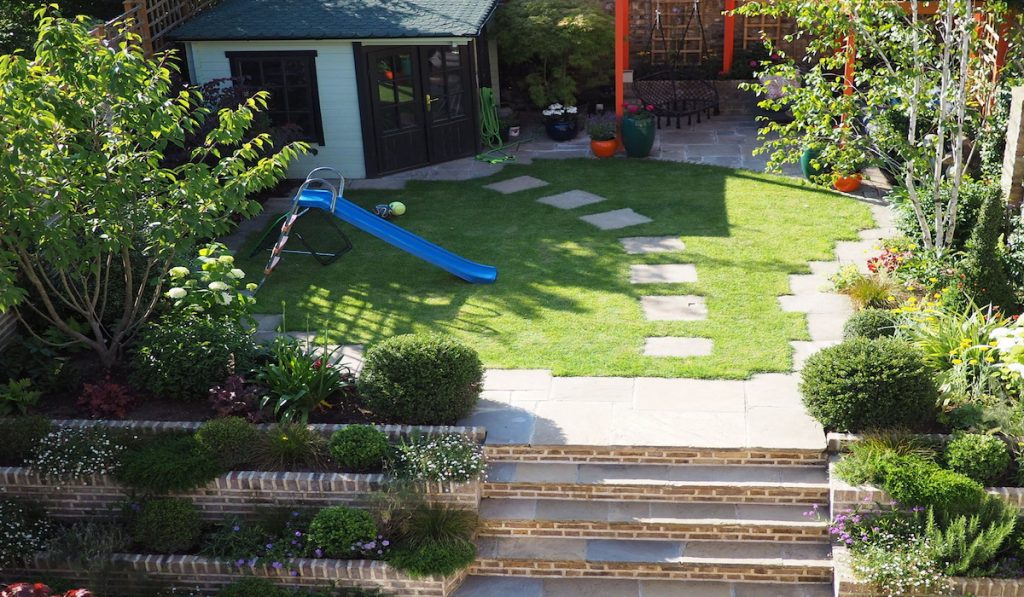
Rather than replicating a magazine-perfect garden layout, design a space that meets your needs and lifestyle. Think about how you and your family use the outdoors.
Are you an avid entertainers who need space for gatherings? Do your kids love running barefoot in the grass? Maybe you want a peaceful retreat with a hammock under the trees or a vegetable garden to grow your own produce.
A custom garden plan allows for flexibility. Include spaces for play, privacy, and productivity. A garden doesn’t have to be installed all at once. With a long-term vision and phased approach, you can add features over time without compromising on style or functionality.
Whether it’s an outdoor kitchen, a small greenhouse, or an evening fire pit, each element should serve a purpose and bring you joy.
A garden that suits your family will evolve as your needs change. As your children grow or your interests change, the space can be modified to match.
Raised beds can replace a sandbox, or a meditation area might emerge where a swing set once stood. This adaptability is what makes a personalised garden both valuable and timeless.
Making Space Work for You
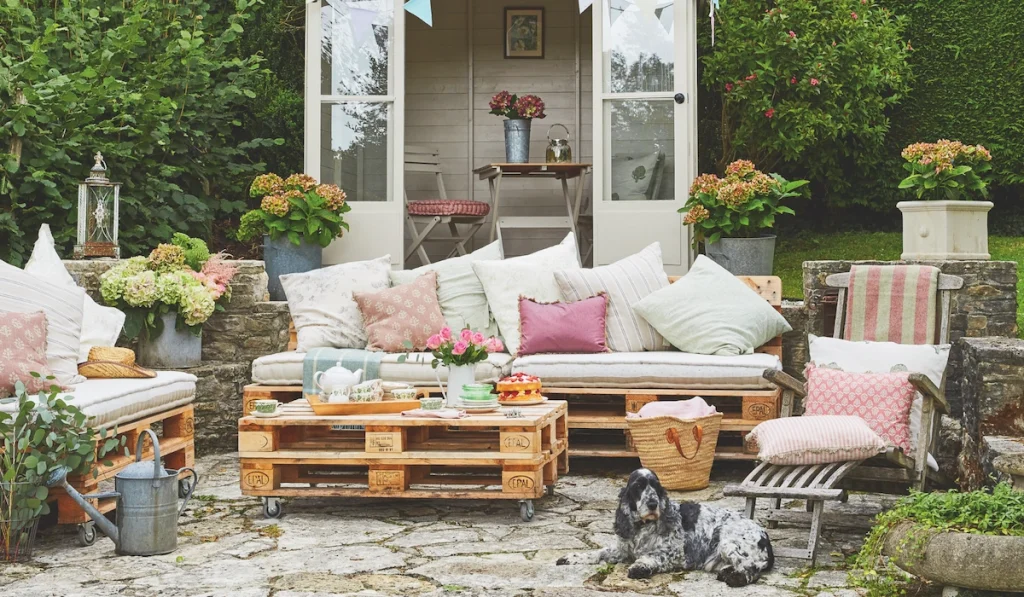
If you have limited outdoor space, don’t be discouraged. Even small gardens or balconies can be transformed into vibrant living areas with creative design.
The key is to make each element multifunctional. A paved driveway might serve as a basketball court or play zone when not in use. Compact furniture, foldable tables, and stackable chairs can help maximise available space.
Vertical gardens and hanging planters are excellent for tight spots, allowing you to grow herbs, flowers, or even vegetables without sacrificing floor space. Tall plants and trellises can also add privacy and visual height, making a small area feel more expansive.
If you have an unsightly view or lack privacy, a strategically placed screen, tall grass, or even a dense hedge can provide shelter while contributing to your garden’s beautygarden’sardscape features like retaining walls can do double duty.
By planting them with low-maintenance succulents or ornamental grasses, they become living sculptures that soften harsh lines and add movement. When designed thoughtfully, small gardens can feel larger than life.
Dividing Your Garden into Zones
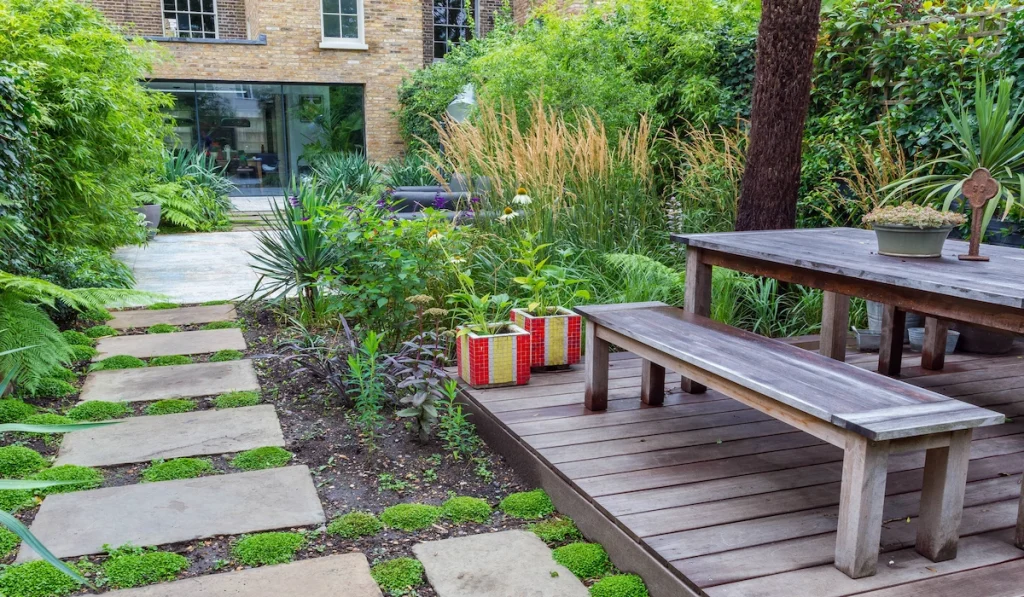
Most home landscapes naturally divide into three zones: public, service, and private. The front yard—the public area—is where first impressions are formed. Opt for low-maintenance plants that maintain a neat appearance year-round.
Evergreens, ornamental grasses, and perennials are excellent choices for this space, offering reliable structure and colour.
The service area includes functional zones such as parking, waste bins, utility boxes, and storage sheds. While these areas are necessary, they don’t need to dominate your landscape. Thoughtful screening using trellises, fencing, or tall plants can keep them out of view while preserving accessibility.
The private area is your backyard haven. This is where you can relax, entertain, and unwind. It’s the space. Your personal preferences influence it.
Whether you envision a lush lawn for picnics, a shaded patio for dining, or a garden studio for creative work, this zone should reflect your lifestyle.
For inspiration on transforming outdoor zones into relaxing environments, explore creative landscape designs for outdoor living that blend modern ideas with comfort and elegance.
Creating a Low-Maintenance Yet Beautiful Garden
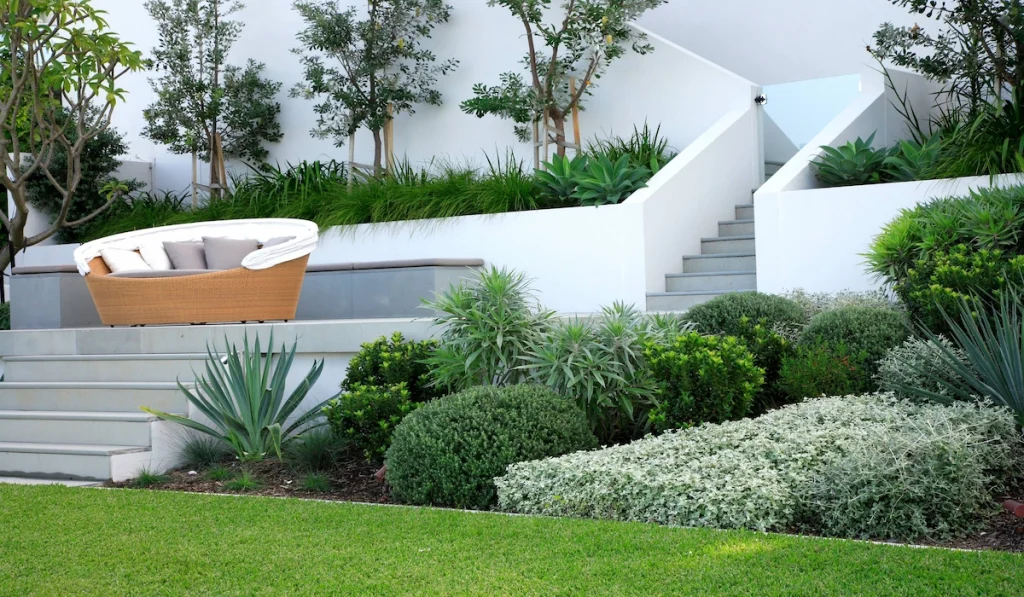
One of the most common goals for homeowners is to have a garden that’s easy to maintain yet consistently attractive. In your front garden, focus on resilient plants that require minimal care.
Native species, drought-tolerant shrubs, and ground covers can reduce the need for watering and trimming. Adding mulch to flowerbeds not only improves soil health but also keeps weeds at bay.
In the backyard, comfort and flexibility take priority. A shaded seating area, whether under a tree or a pergola, offers a place to relax during warm afternoons. Use natural stone or wooden decking to create distinct lounging zones that blend seamlessly with greenery.
If children are part of your household, designate a soft, safe spot for them to play—ideally close enough for supervision but far enough for their own sense of space.
Low-maintenance doesn’t mean bodoesn’t with a bit of planning, your garden can feature changing blooms throughout the seasons, interesting textures, and focal points like sculptures, water features, or ornamental trees. Automating tasks like watering or lighting can also simplify upkeep while enhancing ambience.
Gardening as a Lifestyle

Gardening isn’t just a weisn’t project—it’s a way of life that offers countless physical, mental, and emotional benefits. The act of nurturing plants, shaping your environment, and spending time outdoors can reduce stress, improve fitness, and foster a deeper connection with nature. Even light gardening activities, such as pruning, weeding, or watering, can become meditative rituals that enhance well-being.
A garden evolves with you. As the seasons change, so does your landscape, offering new sights, scents, and experiences. Watching a barren bed bloom in spring or a tree mature over the years creates a sense of continuity and achievement. Gardening teaches patience, responsibility, and creativity—qualities that enrich every part of life.
A well-designed and maintained garden isn’t just about aesthetics. It becomes a personal sanctuary, a gathering place for loved ones, and a space that reflects who you are. Whether you’re growing vegetables, arranging flowers, or simply sitting quietly among the greenery, your garden becomes a living, breathing part of your home—and of you.