

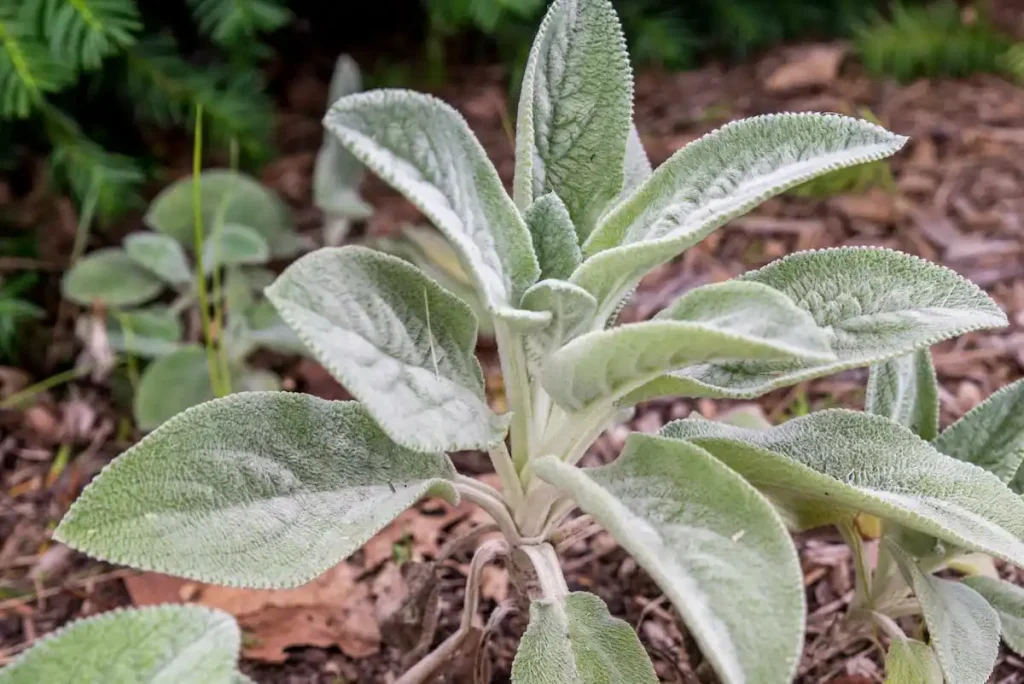
Lamb’s Ear, or Stachys byzantina, is one of the most beloved perennials in cottage and sensory gardens. Known for its soft, woolly leaves that feel like a lamb’s ears, this plant brings texture, contrast, and charm to gardens of all sizes. The plant is also referred to as lambs ear, lamb ear, rabbit ear plant, bunny ears, and even sheep’s ear plant depending on where you live or what cultivar you’re growing. With more than just ornamental appeal, lamb’s ear also boasts medicinal uses, drought tolerance, and versatility in garden design.
The fuzzy, silver-grey foliage of lambs ear serves as a natural contrast to green foliage and flowering plants. Because of its low-growing and spreading nature, it’s often used as a ground cover, border edging, or filler between stepping stones. Its unique texture is attractive not only to gardeners but also to children, who enjoy touching the leaves. And in regions with deer or rabbit pressure, lambs ear stands tall—it’s largely deer resistant and can withstand moderate grazing without permanent damage.
Some of the most popular varieties include ‘Helen von Stein’, ‘Big Ears’, and ‘Silver Carpet’. Each has its own growth habit, size, and bloom pattern. The plant is native to parts of Turkey, Iran, and Armenia, and thrives in full sun and well-drained soils. Despite being called a wooly plant, it doesn’t tolerate humidity well, which is something to keep in mind when selecting a spot for planting.
Whether you’re curious about how to grow lambs ear from seed or cuttings, care for lambs ear in pots or garden beds, or understand how tall lambs ear grows, this guide will help you cover every aspect—from planting to propagation to pruning and bloom care.
Understanding the Nature of Lamb’s Ear Plants
The plant’s name comes from its fuzzy leaves, which resemble a lamb’s ear in both appearance and texture. These plants belong to the mint family (Lamiaceae), but unlike their aromatic cousins, lambs ear is grown for its foliage, not its scent. Many people wonder—does lamb’s ear flower? Yes, it does. The plant produces erect stalks with purple-pink flower spikes, usually during summer. However, many gardeners remove the blooms to encourage denser foliage or prevent the plant from self-seeding.
In terms of botanical classification, lamb’s ear is closely related to Stachys officinalis and Stachys lanata, although Stachys byzantina is the most cultivated. Common confusion exists between lamb’s ear and mullein. Both are fuzzy plants, but they differ greatly in structure, growth habits, and use.
The plant spreads easily through underground rhizomes and can form dense mats in just a few seasons. This makes it ideal for erosion control or weed suppression in full sun garden beds. But its aggressive spread can also be a challenge in smaller spaces or among more delicate flowers.
Ideal Conditions: Sunlight, Soil, and Temperature
Lambs ear thrives in full sun but can tolerate partial shade, especially in hot climates. It prefers six or more hours of direct sunlight a day, which keeps the foliage tight and silvery. When grown in shade, lambs ear tends to elongate and turn more green than silver. That’s why gardeners often ask—does lamb’s ear like sun or shade? The answer is both, but full sun encourages its iconic look.
Soil conditions are equally important. Lambs ear needs well-drained soil. It does not tolerate soggy or compacted earth. If the roots remain wet for too long, the plant becomes susceptible to rot and fungal infections. Sandy or loamy soils with a neutral to slightly alkaline pH are best. Adding compost or grit can improve drainage in heavier soils.
As for climate, lambs ear grows in USDA hardiness zones 4 to 9. It tolerates cold winters, drought, and heat, making it one of the easiest perennials to maintain. However, in hot and humid regions, airflow is critical. Overcrowding can lead to powdery mildew, especially on the fuzzy leaves where moisture gets trapped.
How to Grow Lamb’s Ear from Seed or Cuttings
Lambs ear can be grown from seeds, but germination requires patience. Sow seeds indoors about 8 to 10 weeks before your last frost date. The seeds need light to germinate, so press them lightly into the soil without covering them. Maintain warmth and even moisture until sprouts appear. Once seedlings have developed several leaves, transplant them outdoors when the soil is warm.
Another way to propagate lambs ear is by division. This method is faster and more reliable. Simply dig up a mature clump in spring or early fall, separate it into smaller sections, and replant. Make sure each section has a healthy root system.
Stem cuttings can also be used. Take a 4–6 inch cutting below a leaf node, strip the lower leaves, and place the cutting in moist soil or water until roots develop. Once rooted, transplant into a container or garden bed.
Planting Lamb’s Ear in the Garden or in Pots
For garden planting, space each lambs ear plant about 12 to 18 inches apart. These plants spread rapidly, so give them room to breathe. If you’re growing varieties like ‘Big Ears’ or ‘Silver Carpet’, adjust the spacing accordingly to accommodate their mature width.
Lambs ear also thrives in containers. Use a wide, shallow pot with excellent drainage. A cactus or succulent soil mix works well. Avoid overwatering—allow the soil to dry out between waterings. Potted lambs ear can be placed on patios, windowsills, or sunny balconies for texture and interest.
People often ask, can lamb’s ear grow in shade? While it can survive in partial shade, the plant becomes leggy and may lose its fuzzy texture. Always aim for maximum light exposure.
How to Care for Lamb’s Ear Throughout the Seasons
Lambs ear is low-maintenance but not maintenance-free. Regular care helps it remain dense, healthy, and attractive. In spring, cut back any winter-damaged leaves to promote new growth. Throughout the growing season, remove yellowing or soggy leaves that may harbor mildew.
During summer, monitor the plant for flowering. While the flower spikes are attractive to pollinators, they can make the plant look scraggly. Deadhead the blooms if you prefer a cleaner look or wish to prevent self-seeding.
In fall, many gardeners wonder—should lambs ear be cut back? Yes. Trim it back to prevent rot and disease through the wet winter months. If you live in colder zones, a light mulch can protect the roots, but avoid covering the crown of the plant.
Pests are rare, but snails and slugs may nibble the fuzzy leaves. Fungal issues are the most common concern, especially powdery mildew. Provide space and airflow, avoid overhead watering, and remove infected leaves promptly.
Lamb’s Ear in Landscape Design and Companion Planting
Lambs ear works beautifully as a ground cover, border plant, or filler in dry beds and rock gardens. Its silvery color pairs well with purple flowers like lavender, catmint, and salvia. It also complements pink and white blooms and can soften the appearance of strong vertical plants like ornamental grasses or echinacea.
Use lambs ear to line pathways or outline a flower bed. The soft leaves spill gently over borders and contrast nicely with gravel or stone. Some gardeners even use dried lamb’s ear leaves in wreaths or floral arrangements, thanks to their long-lasting texture and color.
It also pairs well with herbs like rosemary and thyme that enjoy similar dry conditions. Avoid placing lambs ear near plants that require rich, moist soil.
Blooming and Flowering: What to Expect
Although lamb’s ear is primarily grown for its foliage, it does bloom. Spikes of small pink or purple flowers rise above the foliage in early to mid-summer. Blooming lambs ear attracts bees, butterflies, and other pollinators, making it a great choice for wildlife gardens.
That said, many gardeners prefer to prune the flower spikes to maintain the neat, compact form of the plant. Others allow it to bloom and reseed freely. The decision depends on your design goals and tolerance for wild growth.
Flowers appear in clusters along fuzzy stems that can reach up to 18 inches in height. After blooming, the flower stalks can be trimmed back to encourage new foliage growth.
Pruning and Maintenance Tips
Knowing how to prune lambs ear correctly improves the plant’s lifespan and appearance. Cut back flower spikes after they fade. During fall cleanup, remove dead or dying foliage to prevent rot. In humid climates, midseason pruning may be needed to open up airflow.
Use sterilized shears to avoid spreading diseases. Dispose of trimmings, especially if mildew is present. If your lambs ear becomes woody or sparse in the center, divide the plant and replant the healthy sections.
For potted plants, repot every 2–3 years, replacing the soil and trimming back roots if needed. This prevents overcrowding and encourages new root growth.
Lamb’s Ear Medicinal Uses and Benefits
Historically, lambs ear was used for its healing properties. The soft leaves were applied to wounds, much like gauze. They’re absorbent and antibacterial, which is why some refer to them as nature’s bandages. While it’s not a replacement for medical treatment, it has ethnobotanical significance.
Lamb’s ear tea is sometimes made from dried leaves, believed to soothe sore throats and aid digestion. Always consult with a herbalist or doctor before consuming any part of the plant.
Its fuzzy texture also makes it a favorite in sensory gardens, especially for children or individuals with sensory sensitivities.
Common Problems and How to Fix Them
Some gardeners worry—does lambs ear spread too much? It can, especially in ideal conditions. Regular division and edging help keep it in check. Others face yellow leaves or rot, which is often due to overwatering or poor drainage.
In cases of mildew, reduce overhead watering and increase spacing between plants. Cut back affected leaves. For areas with excessive humidity, grow varieties like ‘Helen von Stein’ which are more mildew-resistant.
Propagation: Dividing and Transplanting Lamb’s Ear
Divide mature lambs ear plants every two to three years to maintain vigor. Spring and fall are the best times. Use a shovel to lift the clump, then pull it apart gently. Replant the sections in fresh soil and water lightly until established.
You can also propagate via basal cuttings. Take healthy, non-flowering shoots and root them in moist soil. This method is ideal for gardeners looking to expand their planting without buying new plants.
Lamb’s Ear in Pots and Indoor Spaces
While primarily an outdoor plant, lambs ear can be grown in containers and brought indoors if given enough light. Choose a bright, sunny window and rotate the pot weekly for even growth. Use cactus mix or other well-draining soil blends. Avoid misting the leaves—humidity invites mold.
Indoor plants may require more frequent grooming, especially if airflow is limited. A small desk fan can help simulate outdoor breezes and prevent fungal issues.