

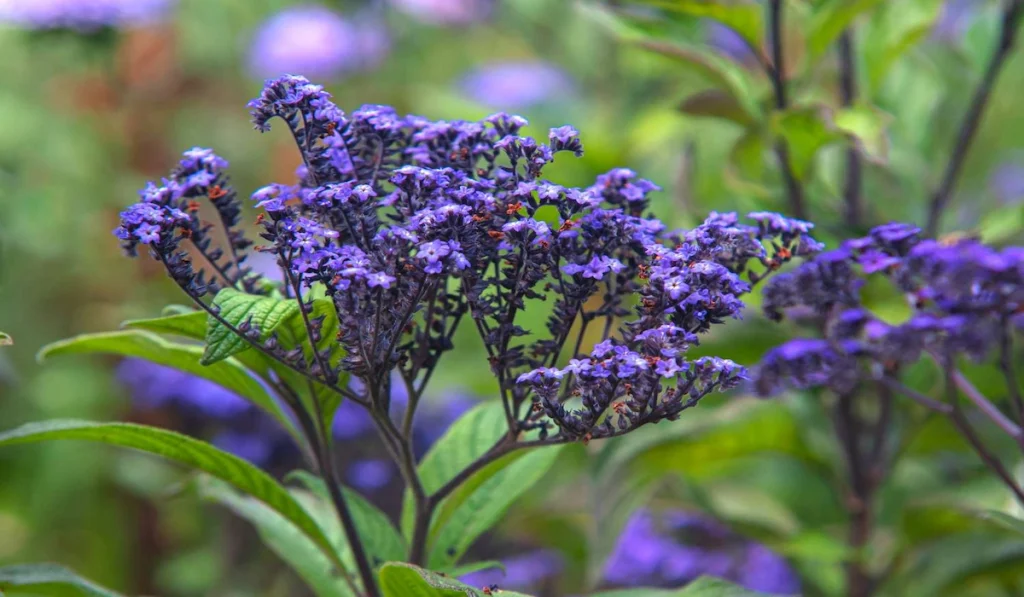
The first time I planted heliotrope, I didn’t expect much. I just wanted something purple to fill a sunny gap near my patio. What I didn’t expect was the fragrance. Every time I stepped outside in the evening, that soft vanilla-like scent stopped me in my tracks. Since then, growing heliotrope has become a regular part of my warm-season garden routine.
If you’ve never grown it before, heliotrope (botanically known as Heliotropium arborescens) is one of those plants that quietly steals the show. It’s not flashy like roses. It doesn’t climb or spread wildly. But when it’s happy, it blooms steadily and fills the air with a sweet scent that makes the whole garden feel alive.
Here’s exactly how I grow and care for heliotropes, based on real trial and error.
Why I Keep Growing Heliotrope Every Year
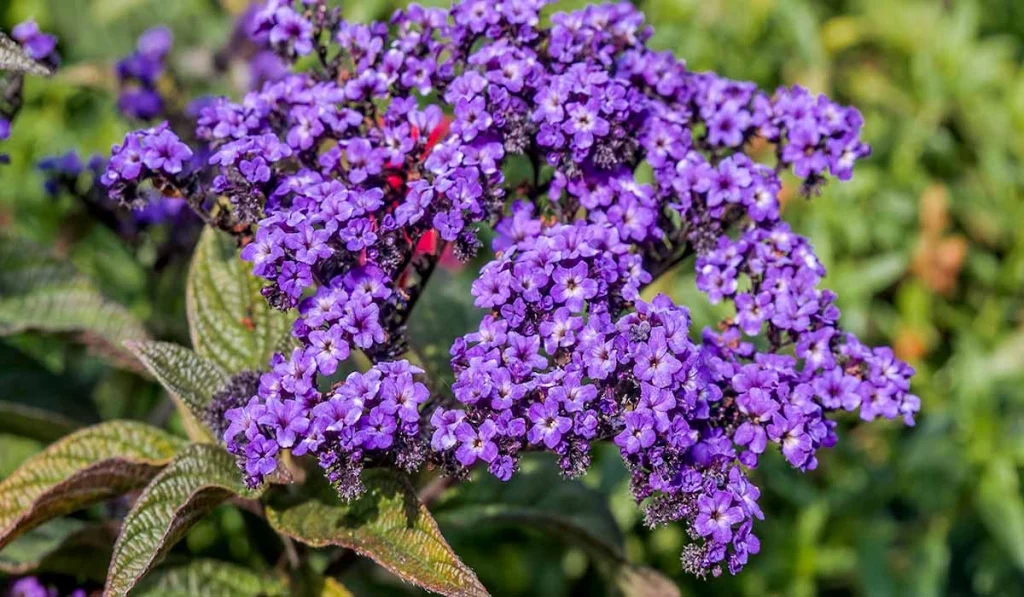
There are plenty of purple flowers out there, but heliotrope has something different. The scent is what hooks most people. If you plant it near a walkway, porch, or patio, you’ll notice it every time you pass by.
It works beautifully in small gardens because it stays fairly compact. In containers, it looks full and lush without taking over. And butterflies seem to find it quickly, especially during warm afternoons.
If you love cottage-style planting or enjoy mixing fragrant flowers into seating areas, heliotrope fits naturally. It pairs well with lighter-colored blooms and silver foliage plants, creating a soft, layered look without much effort.
Choosing the Best Spot to Plant Heliotrope
I learned early on that placement makes or breaks this plant.
How Much Sun Does Heliotrope Really Need?
In my experience, heliotrope grows best in full sun, but there’s a small catch. Morning sun with light afternoon shade works beautifully in hotter climates. When I planted mine in harsh, all-day afternoon sun during peak summer, the leaves looked stressed and slightly faded.
If you live somewhere mild, full sun all day is fine. But if summers are intense, try placing it where it gets strong morning light and some protection later in the day.
Too much shade leads to fewer blooms and leggy stems. If your heliotrope looks stretched and thin, lack of sunlight is usually the reason.
Temperature Matters More Than You Think
Heliotrope loves warmth. It thrives once temperatures consistently stay above 60°F (15°C). Cold soil slows it down, and chilly nights can stunt early growth.
I always wait until the weather feels reliably warm before planting outdoors. If planted too early, it just sits there without growing.
Soil Preparation Before Planting
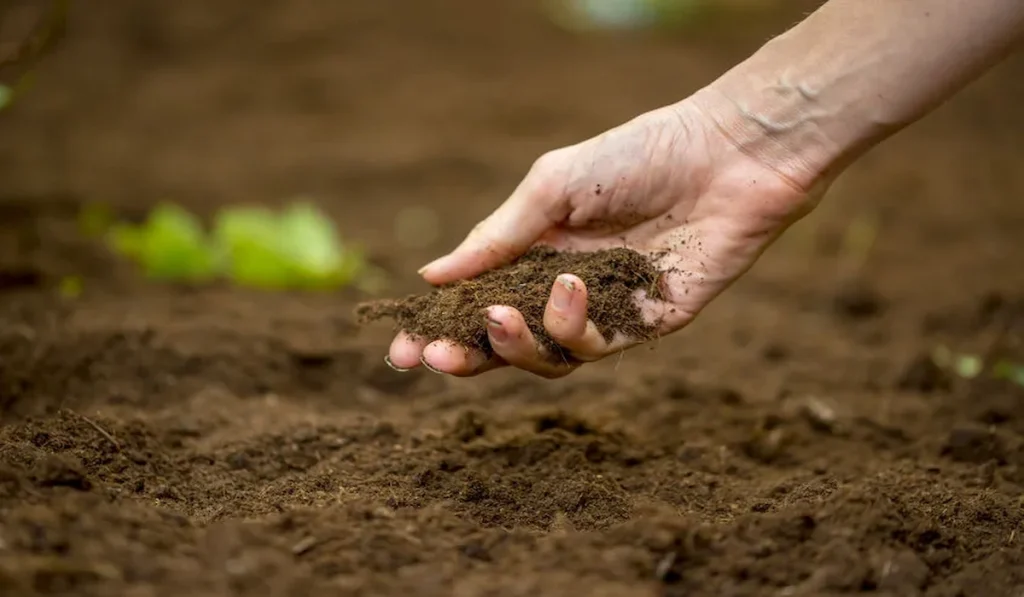
Healthy roots make all the difference.
Heliotrope doesn’t like soggy conditions. One of my early mistakes was planting it in heavy clay soil that stayed wet after rain. Within weeks, the lower leaves turned yellow, and growth slowed dramatically.
Now, I always loosen the soil deeply before planting. If the soil feels compacted, I mix in compost to improve drainage. In containers, I use a loose, well-draining potting mix rather than garden soil.
If water pools on the surface after you water, that’s a warning sign. Improving drainage before planting saves a lot of trouble later.
Planting Heliotrope in the Ground vs Pots
I’ve grown heliotrope both ways, and each has its benefits.
Growing in Garden Beds
In the ground, heliotrope tends to grow slightly larger. I space plants about 12 to 18 inches apart to allow airflow. Crowding them can lead to weak stems and increased pest issues.
Garden-grown plants usually need less frequent watering once established because their roots can spread out.
Growing in Pots on a Patio
In containers, heliotrope really shines. The fragrance feels stronger when the plant sits near seating areas. I choose pots with drainage holes and avoid shallow containers.
One thing I’ve noticed: potted heliotropes dry out faster than garden ones. I check the soil regularly and water when the top inch feels dry. Overwatering in containers is easy, so I always feel the soil before adding water.
My Simple Watering Routine
Consistency is key. I don’t follow a strict schedule. Instead, I pay attention to the soil and the plant itself.
If the leaves start to droop slightly in the morning, it usually means it needs water. If the leaves turn yellow and the soil feels constantly wet, that’s often a sign of overwatering.
In hot weather, I water more frequently but avoid soaking the soil so it stays muddy. The goal is evenly moist, not soggy.
For potted plants, I water until excess drains out the bottom, then let the soil dry slightly before watering again.
Feeding Heliotrope for More Blooms
Heliotrope blooms steadily, but feeding helps maintain strong flowering.
During peak growing season, I use a balanced liquid fertilizer every couple of weeks. I’ve found that light, regular feeding works better than heavy doses.
If your plant has lush green leaves but very few flowers, too much nitrogen might be the problem. In that case, switch to a fertilizer formulated for flowering plants.
When properly fed, heliotrope stays compact and produces more flower clusters instead of stretching upward.
Pruning and Deadheading for Longer Bloom Time
This is one of the simplest ways to keep heliotrope looking good.
Deadheading Makes a Difference
Once a flower cluster starts fading, I pinch it off just below the bloom. This encourages the plant to produce new buds rather than putting energy into seed production.
Regular deadheading keeps the plant tidy and extends bloom time well into late summer.
Fixing Leggy Growth
If stems become long and weak, I trim them back by a few inches. It might look harsh at first, but within weeks, new side shoots appear and the plant looks fuller.
Light trimming throughout the season keeps the plant bushy instead of tall and floppy.
Common Problems I’ve Faced (And How I Fixed Them)
No plant is completely trouble-free, and heliotrope is no exception.
Why It Sometimes Stops Blooming
The most common reason I’ve seen is a lack of sunlight. When planted in too much shade, flowering slows down dramatically.
Overwatering can also reduce blooms. Wet roots lead to stress, and stressed plants focus on survival rather than flowering.
Sometimes extreme heat temporarily slows bloom production. Once temperatures moderate, flowering usually resumes.
Pests and Diseases
Aphids occasionally appear, especially on tender new growth. I usually rinse them off with a strong spray of water. If the problem continues, a mild insecticidal soap works well.
Root rot can happen if soil drainage is poor. Yellowing leaves combined with constantly wet soil are warning signs. Improving drainage and adjusting watering habits usually solves it.
Good airflow and proper spacing prevent most disease issues.
Can Heliotrope Survive Winter?
This depends entirely on your climate.
In warmer zones, heliotrope can behave like a tender perennial. In colder areas, it’s often grown as an annual.
When I want to save a favorite plant, I move container-grown heliotrope indoors before the first frost. It needs bright light inside, preferably near a sunny window. Growth slows during winter, but the plant can survive until spring.
If grown in the ground in colder climates, it typically won’t survive frost unless heavily protected.
Growing Heliotrope From Cuttings
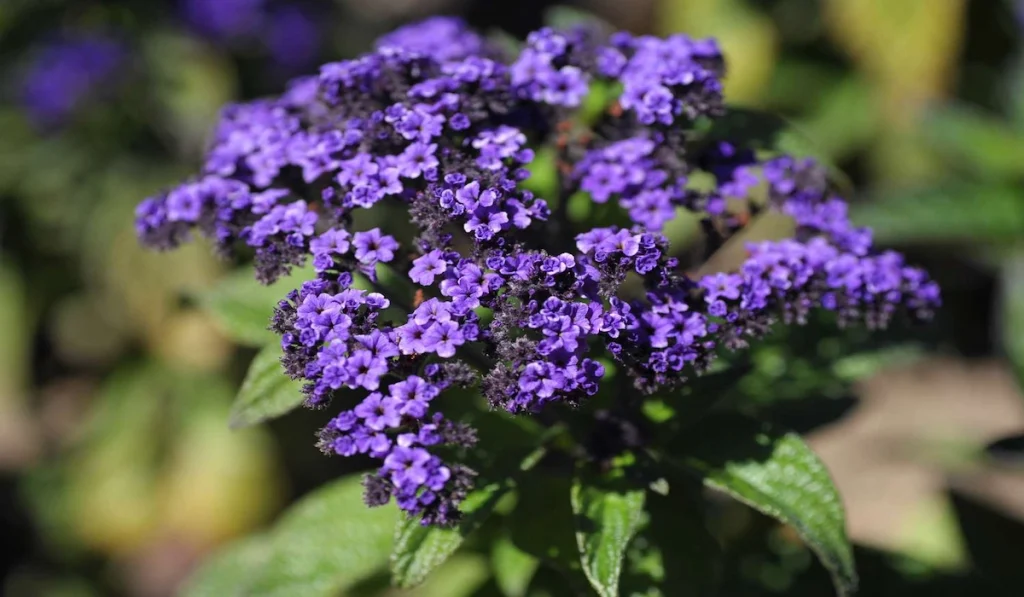
One of my favorite tricks is propagating heliotrope from cuttings.
In late summer, I snip a healthy, non-flowering stem about 4 to 5 inches long. After removing lower leaves, I place it in moist potting mix and keep it warm.
Within a few weeks, roots usually develop. This gives me new plants ready for next season without having to buy more.
Keeping Heliotrope Blooming Longer
A few small habits make a noticeable difference.
Consistent watering without overdoing it keeps stress levels low. Regular feeding supports steady flowering. Deadheading encourages continuous bloom production. Proper sunlight ensures strong growth.
When all these elements come together, heliotrope rewards you with months of color and fragrance.
Final Thoughts
Heliotrope isn’t demanding, but it does appreciate attention. Give it warmth, sunlight, well-draining soil, and moderate watering, and it performs beautifully.
What I love most is how it changes the feel of a space. The scent adds something you can’t see but definitely notice. It turns an ordinary patio into a relaxing evening spot.
If you’re looking for a plant that offers both color and fragrance without constant fuss, heliotrope is worth trying. Once you grow it successfully, it often becomes a regular part of the garden year after year.
Frequently Asked Questions
These are the most common questions gardeners ask about growing and caring for heliotrope. If you’re dealing with yellow leaves, fewer blooms, or watering confusion, these quick answers should help you fix the problem fast.
How much sun does heliotrope need?
Heliotrope grows best in full sun, but in very hot climates, light afternoon shade helps prevent stress.
Why are my heliotrope leaves turning yellow?
Yellow leaves are often caused by overwatering or poor drainage. Check soil moisture and improve airflow if needed.
How do I make heliotrope bloom more?
Ensure it gets enough sunlight, feed lightly during the growing season, and remove spent flowers regularly.
Can heliotrope grow indoors?
Yes, especially in bright, sunny windows. It needs strong light and careful watering indoors.
How often should I water heliotrope in pots?
Water when the top inch of soil feels dry. Avoid letting the pot sit in standing water.
Does heliotrope come back every year?
In warm climates, it may return as a perennial. In colder areas, it’s typically grown as an annual unless overwintered indoors.