

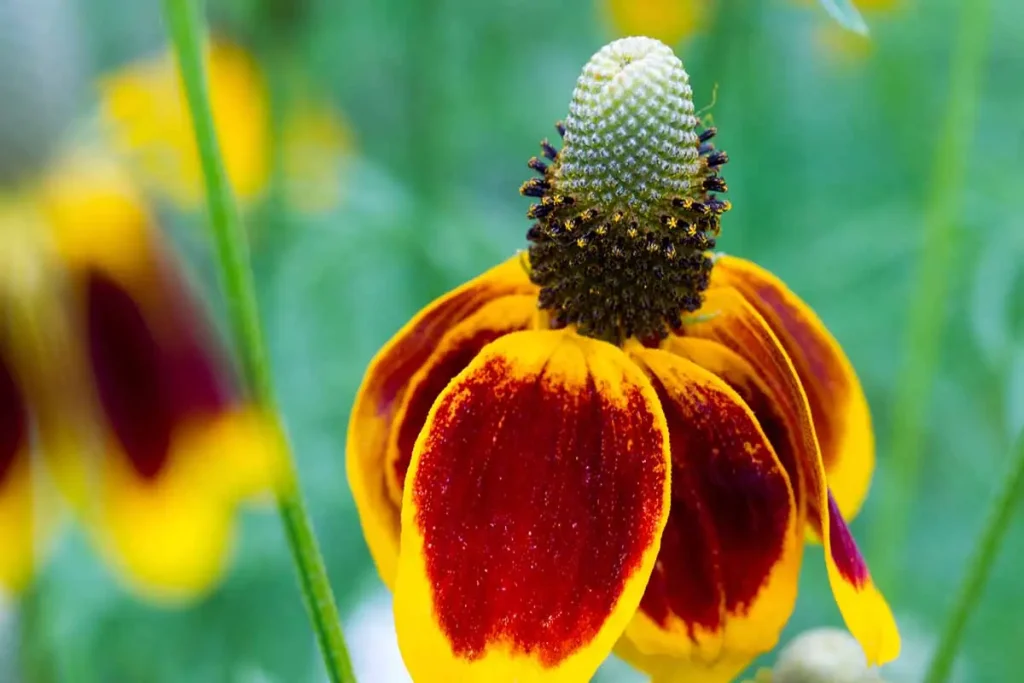
The Mexican Hat Flower, also known as Prairie Coneflower or by its botanical name Ratibida columnifera, is a striking and unique wildflower native to North America. With its tall, slender stems and distinctive sombrero-shaped blooms, it brings an unmistakable charm to prairies, wildflower gardens, and native plant landscapes.
This resilient flower isn’t just about aesthetics—it also plays an important role in supporting pollinators like bees, butterflies, and even birds. Whether you are a seasoned gardener or someone looking to introduce native perennials into your backyard, understanding how to grow and care for the Mexican Hat Flower is the first step in cultivating a low-maintenance, high-impact bloom that thrives even in poor soil conditions.
Characteristics and Natural Habitat
Mexican Hat Flowers are perennial in warmer zones and often treated as annuals or biennials in colder climates. They belong to the Asteraceae family and are easily recognized by their drooping, daisy-like petals that surround a tall, central cone that can range in color from brown to deep maroon.
The petals themselves can vary from bright yellow to red, often bi-colored with deep gradients that add depth and visual interest. These flowers naturally grow in open prairies, meadows, and along roadsides, meaning they’re adapted to tough environments, which is a major reason for their popularity among gardeners aiming for a drought-tolerant landscape.
Choosing the Right Location and Soil
When considering where to plant Mexican Hat Flowers, location is crucial. They prefer full sunlight and are not particularly picky about soil, provided it’s well-draining. In fact, overly rich or heavily amended soils can lead to leggy growth with fewer blooms.
These flowers are most at home in poor, rocky, or sandy soils, which makes them perfect candidates for xeriscaping and low-water gardens. They’re also a smart choice for erosion control on slopes or other challenging terrains due to their strong root systems.
Starting from Seeds and Germination Tips
Planting Mexican Hat Flowers can begin with seeds, which is the most common method. Seeds can be sown directly into the soil in late fall or early spring, depending on your local climate. If you’re opting for spring planting, consider cold stratifying the seeds in your refrigerator for several weeks before sowing.
This process mimics the natural winter dormancy period and helps improve germination rates. Once sown, seeds should be lightly pressed into the soil without being covered too deeply, as they need sunlight to germinate. Within two to four weeks under optimal conditions, you should see the first signs of sprouting.
Spacing, Thinning, and Early Care
As the seedlings grow, thinning may be necessary to ensure adequate space between each plant. Mexican Hat Flowers typically need about twelve to eighteen inches between them to allow for full air circulation and proper development. Crowded conditions can lead to mildew or fungal issues, especially in humid environments. Once established, the plants are fairly self-sufficient and require little attention beyond occasional watering during extended dry spells.
Watering Requirements and Drought Tolerance
Watering is an important aspect to consider, particularly during the establishment phase. In the first few weeks after germination or transplanting, regular watering is essential to encourage deep root growth. Once the plants are established, however, they are remarkably drought-tolerant.
Overwatering is a more common problem than underwatering with this species. If planted in clay or water-retentive soils, ensure that excess moisture doesn’t accumulate around the roots, as this can lead to rot. In naturally dry climates, occasional deep watering during long dry periods is all they require to thrive.
Fertilization: Minimal Feeding for Maximum Blooms
Feeding or fertilizing Mexican Hat Flowers is typically unnecessary, and in some cases, it may even be counterproductive. These flowers evolved in nutrient-poor soils and may react to fertilization by producing more foliage than flowers.
If your soil is particularly depleted or if you’re planting in containers, a very light application of a balanced, slow-release fertilizer in early spring can help boost growth, but moderation is key. Too much nitrogen, in particular, will result in lush leaves at the expense of blooms, defeating the purpose of growing these flowers for their striking appearance.
Pruning, Deadheading, and Reseeding
Pruning and deadheading can enhance the appearance of the plant and prolong its blooming season, which typically runs from early summer into fall. While not absolutely necessary, removing spent blooms can redirect the plant’s energy toward producing more flowers rather than going to seed.
However, if you wish to allow the flowers to reseed naturally—which they do quite effectively—you might choose to leave some seed heads intact toward the end of the season. These seed heads are also a food source for small birds in late summer and fall, adding an ecological benefit to your garden.
Pests, Diseases, and Overall Hardiness
In terms of pest and disease resistance, Mexican Hat Flowers are generally hardy and trouble-free. They’re not a favorite among deer or rabbits, which makes them an excellent option for open gardens in rural or woodland settings. Occasionally, aphids or spider mites may appear, especially during prolonged dry periods.
These can usually be managed with a spray of water or an application of insecticidal soap if the infestation becomes significant. Fungal issues like powdery mildew can develop in overly humid or crowded conditions, but good spacing and air circulation typically prevent these problems. Overall, their pest resistance is one of the reasons gardeners love incorporating them into low-maintenance landscapes.
Propagation by Division and Seed Sharing
Propagating Mexican Hat Flowers is usually done through seeds, but division is also an option, particularly if you’ve established a large clump over several seasons. To divide, dig up the root mass in early spring or late fall and gently separate the roots by hand or with a garden knife. These divisions can then be replanted directly into the ground. This method allows you to expand your wildflower garden or share plants with friends without purchasing new seeds.
Companion Plants and Native Garden Integration
Another benefit of Mexican Hat Flowers is their compatibility with other native plants and wildflowers. They pair beautifully with species like Black-Eyed Susans, Purple Coneflowers, Blanket Flowers, and Blue Grama Grass. These combinations not only look stunning but also support pollinators and beneficial insects. Creating a prairie-style garden with such plants is environmentally friendly, helps local ecosystems thrive, and requires far less maintenance and water than a traditional lawn or flower bed.
Harvesting and Dried Flower Uses
While the flowers are not typically used in traditional floral arrangements due to their unique shape, they do offer a long bloom season and interesting form for dried flower crafts. If harvesting for drying, cut the blooms when they are fully open and hang them upside down in a dry, dark, well-ventilated area. The central cones retain their shape and color well, making them a good choice for rustic, natural decor.
Cultural and Ecological Importance
Culturally and historically, Mexican Hat Flowers have been appreciated by indigenous communities for their hardiness and beauty. They were often part of native prairies and natural medicine gardens. Today, gardeners value them for similar reasons—low maintenance, seasonal reliability, and visual interest. Moreover, their tall, elegant stalks and waving blooms bring a sense of movement and freedom to gardens that rigidly structured beds often lack.
Supporting Pollinators and Wildlife
If you’re planting with wildlife in mind, you’ll be happy to know that Mexican Hat Flowers are a magnet for pollinators. Bees are especially fond of them, and butterflies frequently stop to rest and feed on the blooms. Later in the season, the seeds provide food for songbirds, making your garden not only a visual retreat but also a vital ecological niche. This characteristic makes them ideal for gardeners who want to support local biodiversity without committing to labor-intensive garden upkeep.
Weather Tolerance and Hardiness Zones
Mexican Hat Flowers also hold up well under extreme weather conditions. Their deep root systems allow them to access moisture below the surface, which helps them survive both heatwaves and occasional cold snaps. They’re hardy in USDA zones 4 through 9, and even in colder zones, they will often self-seed and return the following year. Their resilience to temperature fluctuations and poor soil makes them a favorite for restoration projects and eco-landscaping.
Growing in Containers and Small Spaces
If you’re growing Mexican Hat Flowers in containers, make sure the pots are deep enough to accommodate their strong root systems and use a well-draining soil mix. While they can survive in containers, they perform best in open ground where their roots have room to spread. Regular watering will be more necessary in pots, especially during hot months, but be cautious not to overwater. Also, provide ample sunlight, ideally six to eight hours a day, to encourage healthy growth and continuous blooms.
Varieties and Sourcing Seeds
Over the years, plant breeders have introduced a few cultivated varieties of Ratibida columnifera, offering different petal colors and forms. While the classic red-and-yellow bi-color remains the most iconic, you may also find solid yellow or maroon versions, depending on availability at native plant nurseries or seed suppliers. When selecting seeds or starts, ensure they’re sourced from reputable nurseries that specialize in native plants to avoid hybrid confusion or invasive species.
Conclusion: A Resilient and Rewarding Native Bloom
Growing Mexican Hat Flowers is not only a visually rewarding experience but also a way to reconnect with the land’s natural heritage. By choosing native wildflowers like this one, you’re contributing to the preservation of ecosystems that have long been under pressure from urban development and monoculture lawns. Whether you’re planting a few in a small garden or seeding an entire field, these flowers offer more than beauty—they offer balance, resilience, and a story rooted in the prairie’s legacy.
In conclusion, caring for Mexican Hat Flowers doesn’t require extensive expertise or high-maintenance routines. All you need is a sunny location, well-drained soil, and a basic understanding of their seasonal needs. From germination to bloom, they’re incredibly rewarding and adaptable. Their benefits extend far beyond the garden, enriching biodiversity and supporting native wildlife. If you’re looking to create a sustainable, colorful, and low-fuss garden, the Prairie Coneflower is one of the best plants to consider. It welcomes you with bold color and graceful presence while asking for very little in return.
If you need expert help designing or maintaining a native plant garden, contact Dreamscapes Florida for personalized landscaping solutions.