

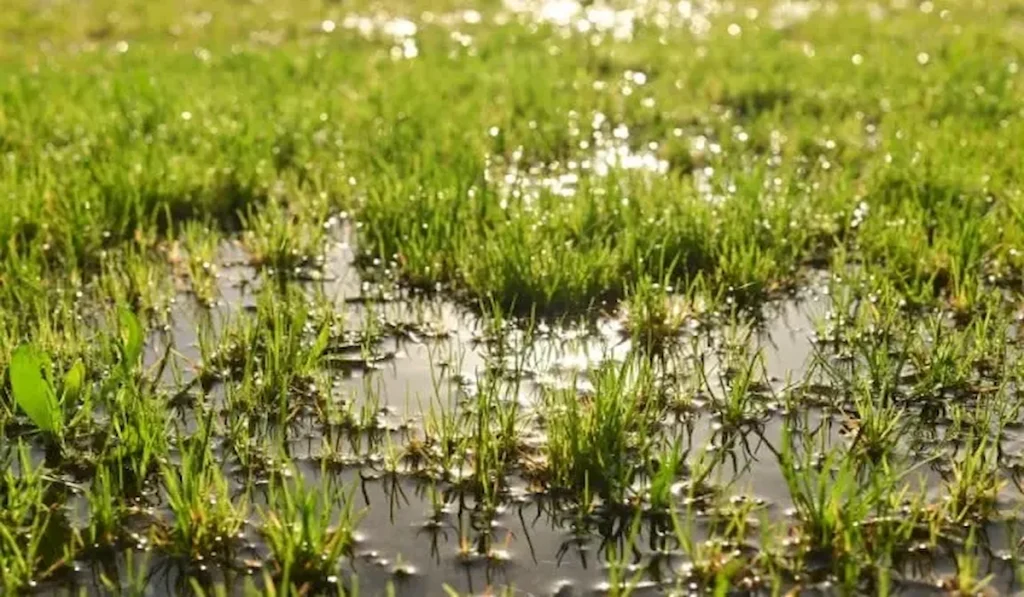
Standing water in your yard may appear harmless, but it can cause serious problems if left unaddressed. It can damage your lawn, attract mosquitoes, weaken your home’s foundation, and create muddy, unusable outdoor spaces. The good news is that standing water is common and, in most cases, can be resolved with the right approach.
This guide explains why water collects in yards, the problems it creates, and the best ways to permanently remove standing water.
Why Standing Water Forms in Your Yard
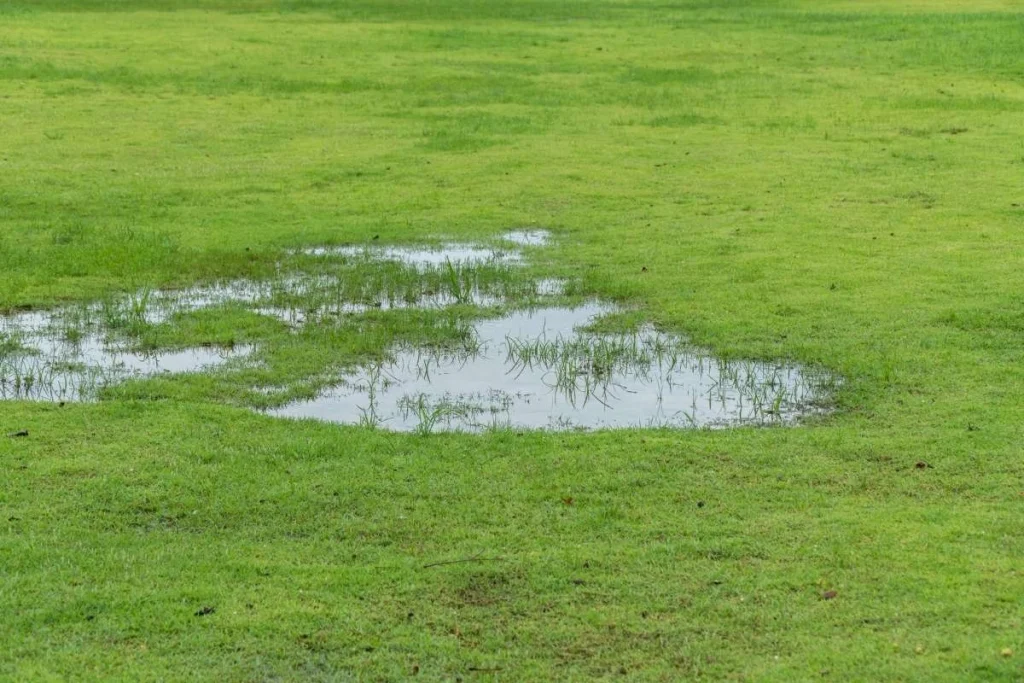
Understanding the cause is the first step toward a lasting solution. Standing water typically appears after rain or irrigation and fails to drain correctly.
One common reason is poor soil drainage. Heavy clay soil does not drain water easily, causing puddles to remain on the surface for days. Another reason is uneven ground. Low spots naturally collect water, especially after heavy rain.
Blocked or damaged drainage systems can also lead to water buildup. Clogged gutters, broken downspouts, or improperly placed drainage pipes may direct water into your yard. In some cases, the yard slopes toward the house rather than away from it, causing water to collect near the foundation.
Problems Caused by Standing Water
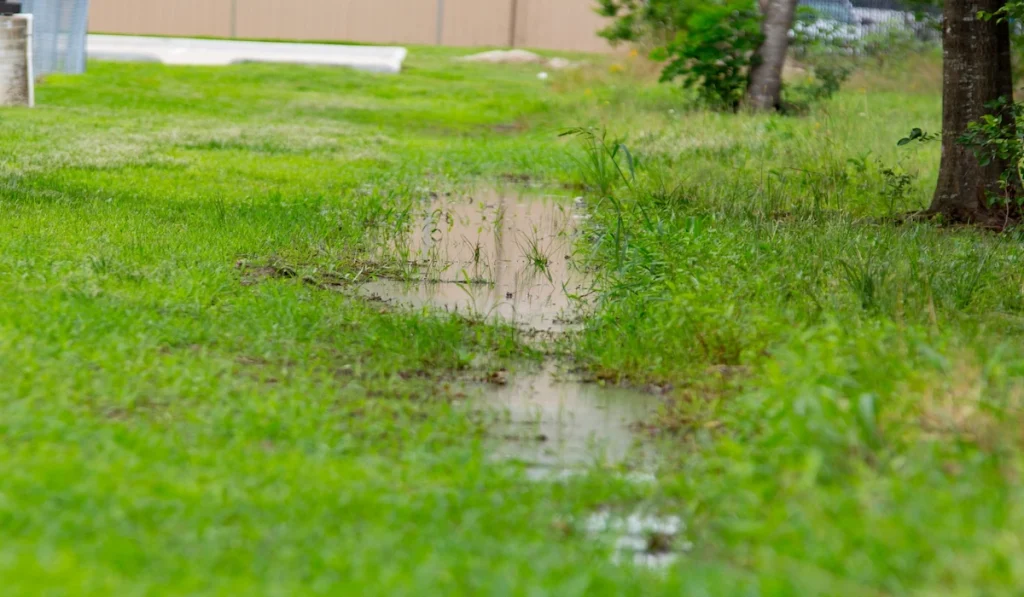
Standing water is more than just an eyesore. Over time, it can create serious issues for your property and health.
Water that sits too long can kill grass and plants by depriving their roots of oxygen. This results in dead patches and muddy areas that never recover. Standing water also attracts mosquitoes, which breed quickly and can spread diseases.
Excess moisture near your home can weaken the foundation and cause cracks, leaks, or basement flooding. It can also lead to mould growth, unpleasant smells, and increased maintenance costs. Walking through wet areas can be slippery and unsafe, especially for children and pets.
How to Identify Drainage Problems
Before fixing standing water, it is essential to observe your yard. Watch how water behaves after rainfall. Notice where puddles form and how long they remain.
If water stays for more than 24 to 48 hours, there is likely a drainage issue. Check the downspouts to determine where they discharge water. If they are empty near the foundation, they may need to be extended. Also, look for compacted soil or areas where grass struggles to grow, as these spots often signal drainage trouble.
Simple Ways to Get Rid of Standing Water
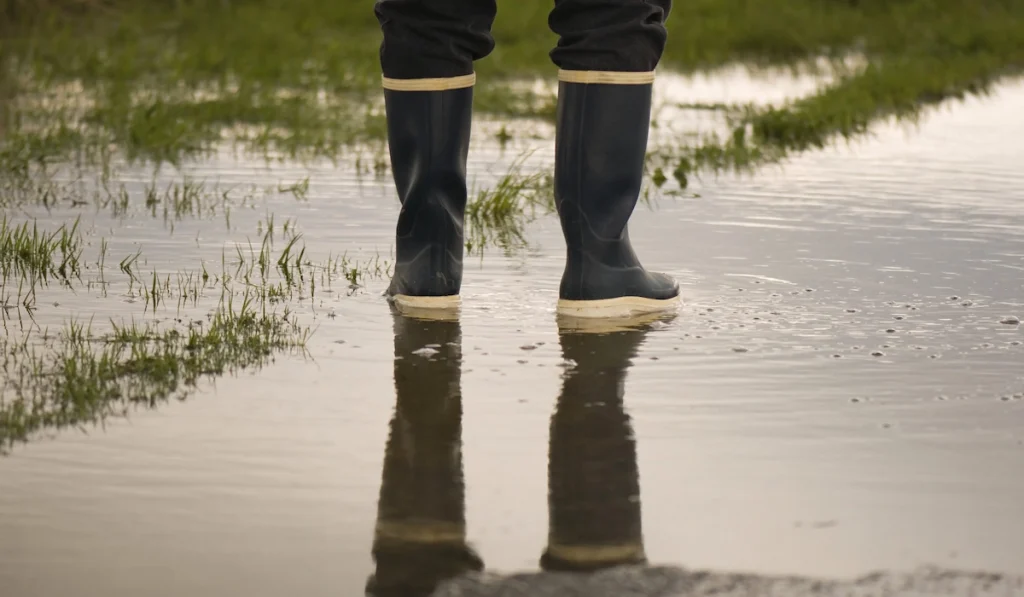
Standing water does not always require expensive solutions. Simple fixes such as improving drainage, adjusting soil levels, and directing water away can quickly reduce pooling and protect your yard.
Here are some easy and effective ways to remove standing water from your yard. These solutions help improve drainage, protect your lawn, and prevent water from collecting after rain.
Improve Yard Grading
Proper grading helps water flow away from your home instead of pooling in the yard. Even small changes in slope can make a big difference. Soil can be added to low areas to help guide water toward safe drainage points.
Grading should always direct water away from structures. This reduces the risk of foundation damage and basement leaks.
Install a French Drain
A French drain is one of the most effective solutions for standing water. It is a gravel-filled trench with a perforated pipe that redirects water away from problem areas.
French drains work well for yards that stay wet after rain or where water collects near the house. Once installed, they quietly move water underground without affecting the look of your lawn.
Use a Dry Creek Bed
A dry creek bed is both functional and decorative. It creates a natural path for water to flow during rainfall while enhancing your yard’s appearance.
Rocks and stones are placed in a shallow trench that guides water away from low spots. This option is ideal for homeowners who want drainage without visible pipes.
Aerate Compact Soil
Compacted soil prevents water from soaking in properly. Lawn aeration helps loosen the soil, allowing air, nutrients, and water to reach plant roots.
Regular aeration improves drainage, strengthens grass, and reduces puddling. It is invaluable in high-traffic areas where soil hardens over time.
Extend Downspouts Away from the Yard
Downspouts that release water too close to your home or yard can quickly cause pooling. Extending them directs water farther away, preventing saturation. This is a simple, affordable fix that often resolves minor standing-water issues without extensive work.
Landscaping Solutions for Better Drainage
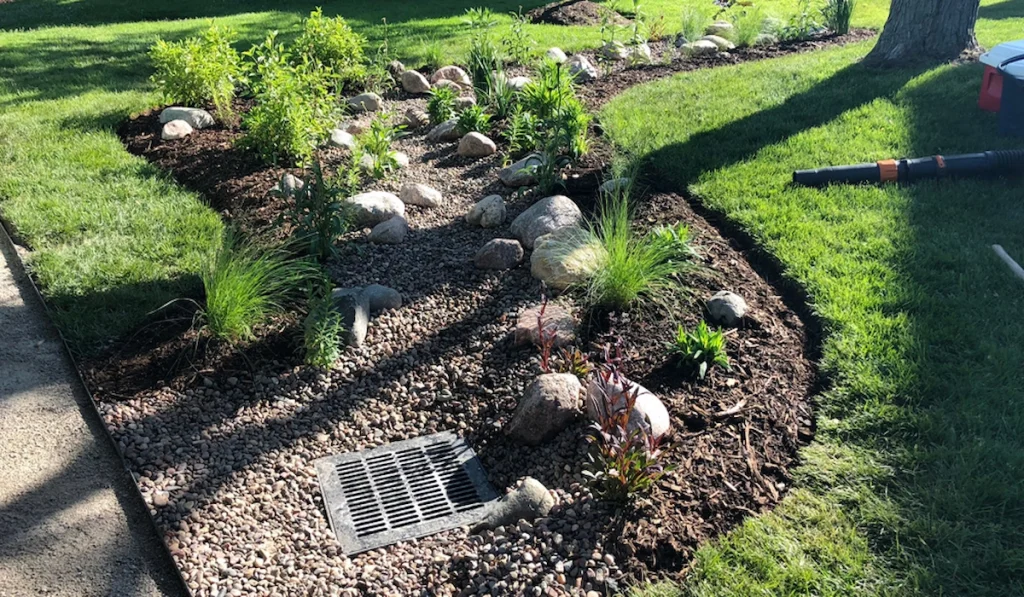
Landscaping plays a significant role in managing water. Choosing the right plants and design can help absorb excess moisture naturally.
Water-loving plants, such as ornamental grasses and native shrubs, can thrive in damp areas when standing water is reduced. Rain gardens are another smart option. They collect runoff and allow it to seep slowly into the ground rather than pooling on the surface.
Mulch and organic matter can also improve soil structure, making it easier for water to drain.
Long-Term Drainage Solutions
For severe drainage issues, long-term solutions may be needed. These include installing catch basins, underground drainage systems, or reworking large sections of the yard.
While these options require more planning, they offer permanent results and protect your property from future water damage. Proper drainage increases property value and improves outdoor usability year-round.
When to Call a Professional
If standing water keeps returning despite basic fixes, it may be time to seek professional help. Drainage experts can evaluate soil conditions, yard slope, and water flow patterns to design a custom solution.
Professionals have the tools and experience to install advanced drainage systems safely and effectively. This is especially important when water threatens your home’s foundation or repeatedly floods.
How to Prevent Standing Water in the Future
Prevention is always better than repair. Regular yard maintenance helps ensure drainage systems function properly.
Clean gutters and downspouts often, especially before rainy seasons. Avoid overwatering lawns and gardens. Monitor changes in soil level and address small low spots before they become bigger problems.
Healthy landscaping, proper grading, and good drainage habits can keep your yard dry and functional for years.
Final Thoughts
Removing standing water in your yard is essential to protecting your home, lawn, and family. While puddles may seem minor, they can cause costly damage and health risks if left unaddressed.
By understanding the causes and using the right drainage solutions, you can create a safer, cleaner, and more enjoyable outdoor space. Whether you choose simple fixes or long-term improvements, proper water management makes a noticeable difference.