

Growing your own herbs in the garden is an excellent way to enjoy fresh flavors in your cooking throughout the year. However, once your garden herbs reach their peak, you may wonder how to preserve them for future use. Drying and storing herbs properly ensures that you can enjoy their fresh, vibrant flavors even when they’re out of season. Here’s a guide on how to dry and store fresh garden herbs.
Harvesting Herbs for Drying
The first step in preserving fresh herbs is knowing when and how to harvest them. Generally, herbs are best harvested just before they begin to flower, as this is when their flavor is most concentrated. It’s also essential to choose a dry day for harvesting to avoid excess moisture on the herbs, which can cause mold during the drying process.
To harvest herbs like thyme, rosemary, oregano, and basil, use a sharp pair of garden scissors or shears. Cut the stems just above a leaf node, where the plant can continue to grow after the leaves are removed. For herbs like cilantro and parsley, it’s better to cut individual leaves instead of whole stems to allow regrowth.
When harvesting herbs for drying, it’s important to trim the leaves and remove any damaged or discolored parts, as they may affect the flavor of the dried herbs. Only healthy, vibrant leaves should be used for the drying process.
How to Dry Herbs
Once your herbs are harvested, you can begin the drying process. There are several methods to dry herbs, and the method you choose will depend on the space available and the type of herbs you are drying.
One of the most common and simplest methods for drying herbs is air drying. To air dry herbs, gather them in small bundles and tie them together with string or rubber bands. Hang the bundles upside down in a dry, well-ventilated area. A cool, dark room is ideal because direct sunlight can degrade the flavor and color of the herbs. The herbs should be allowed to dry for a few weeks, and you’ll know they’re ready when the leaves crumble easily between your fingers.
If you prefer a faster method, you can dry herbs using an oven. Preheat the oven to its lowest setting, usually around 100-120°F (38-49°C). Spread the herb leaves in a single layer on a baking sheet lined with parchment paper, ensuring the leaves are not overlapping. Place the sheet in the oven with the door slightly ajar to allow air circulation. Check the herbs every 30 minutes, and once they’re dry and crumbly, remove them from the oven. Keep a close eye on them to prevent them from burning.
Another option for drying herbs is using a dehydrator. This is one of the most efficient methods for drying herbs and retains much of their flavor and aroma. Simply arrange the herbs on the dehydrator trays according to the manufacturer’s instructions, set the dehydrator to the appropriate temperature (usually around 95-115°F or 35-46°C), and let the herbs dry for several hours. The dehydrator’s even heat will dry the herbs without compromising their quality.
How to Store Dried Herbs
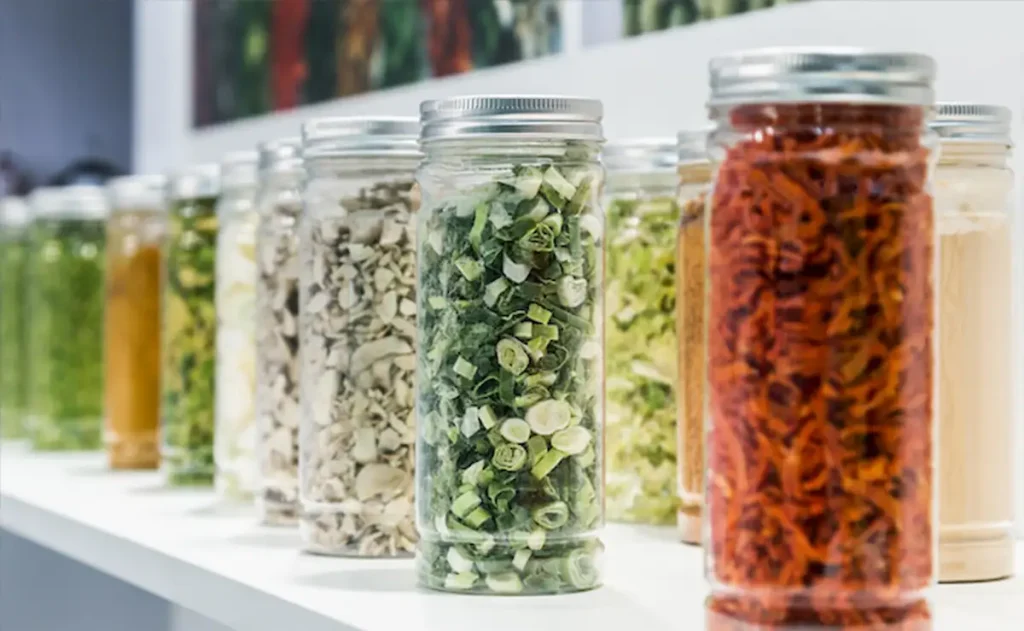
Once your herbs are fully dried, it’s important to store them properly to maintain their flavor and potency. Dried herbs should be stored in airtight containers, preferably glass jars, as they help to preserve the herbs’ oils and aromas. Make sure to label the containers with the name of the herb and the date it was dried, as dried herbs can lose potency over time.
To store your dried herbs, keep the containers in a cool, dry place away from direct sunlight, as heat and light can degrade the oils that give herbs their flavor. A pantry or cupboard is usually the best place. If you want to preserve your dried herbs for longer, consider storing them in vacuum-sealed bags or mylar bags with oxygen absorbers to extend their shelf life.
For herbs like thyme, rosemary, and oregano, it’s best to store them as whole sprigs or branches. When ready to use, you can strip the leaves off the stems. This helps preserve their flavor and aroma for a longer period. However, for herbs like basil or parsley, it’s better to crumble the dried leaves before storing them in a jar to make them easier to use in your cooking.
Tips for Storing Specific Herbs
Different herbs may require slightly different storage techniques. For example, rosemary and thyme are sturdy, and their leaves retain their flavor well even when stored for extended periods. On the other hand, herbs like basil and cilantro lose their flavor more quickly, so it’s best to store them in smaller amounts and use them within a year.
When storing delicate herbs like mint or tarragon, it’s important to ensure that they’re completely dry before storing them, as any moisture left in the leaves can lead to mold. If you’re concerned about mold, you can add a silica gel packet to the storage container to help absorb any remaining moisture.
How Long Do Dried Herbs Last?
Dried herbs can last a long time if stored properly, but their flavor will begin to diminish after about six months. For best results, try to use your dried herbs within one year for optimal flavor. While dried herbs are safe to use beyond that period, their flavor may not be as strong. Additionally, if you notice any signs of mold or pests in your storage containers, discard the herbs immediately.
In conclusion, drying and storing herbs from your garden is a great way to enjoy your favorite flavors year-round. By harvesting at the right time, choosing the best drying method, and properly storing the herbs, you can ensure that they maintain their potency and flavor for months to come. Whether you prefer to air dry, oven dry, or use a dehydrator, these methods will help you preserve the herbs you’ve grown with care. Happy gardening and cooking!
If you’re looking to transform your outdoor space with expert landscaping solutions, get in touch with a team that truly understands design and detail.