

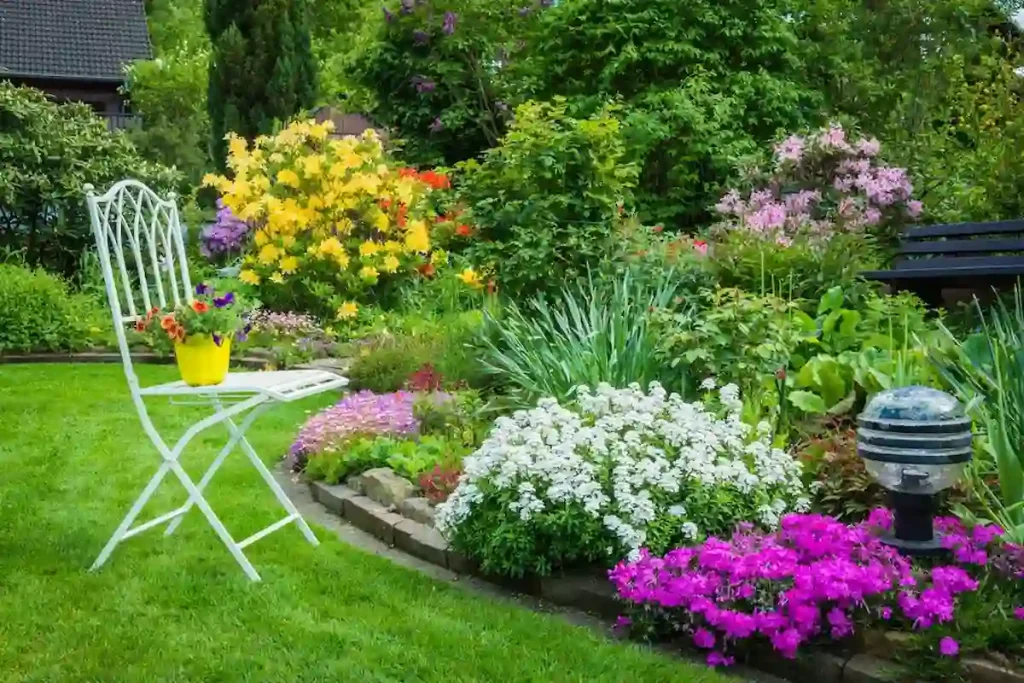
A colourful flower garden brings life, beauty, and calm to any outdoor space. Many gardeners dream of a garden that never loses its charm, no matter the month. The secret to this kind of year-round beauty is simple: choose flowers that bloom in different seasons.
When your plants take turns blooming, your garden stays bright and lively from spring all the way to winter. This guide will help you plan, plant, and maintain a garden filled with seasonal blooms that stay stunning throughout the year.
Why Seasonal Flowers Matter
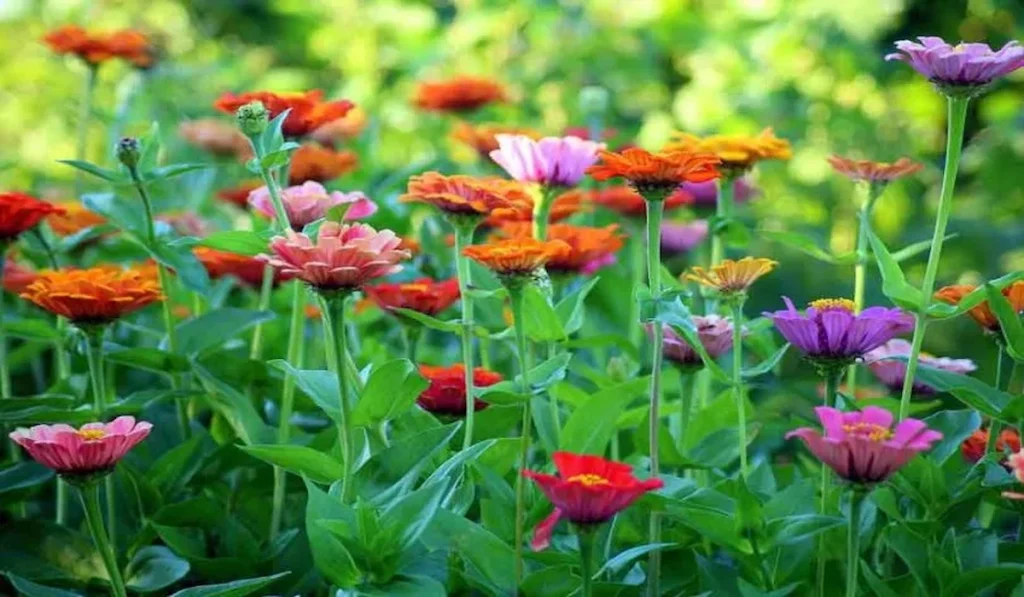
Seasonal flowers keep your garden full of colour even when temperatures change. Every season has flowers that naturally bloom at that time, so your garden always has something new to offer. When spring blooms fade, summer flowers take their place. When summer ends, fall flowers bring warm shades.
Even in winter, plants add freshness and soft beauty. This natural cycle makes a garden feel alive and gives you a new view every few weeks. Seasonal planting also helps plants stay healthier because they grow during the time of year they are meant to thrive.
Know Your Hardiness Zone Before Planting
The success of your garden depends a lot on choosing the right flowers for your climate. Hardiness zones show which plants can survive in your region based on temperature. When you pick flowers suited to your zone, they grow better, bloom longer, and return every year without struggle.
This saves you time, effort, and money. A plant that loves your climate will always perform better than one that is forced to grow where it shouldn’t. Before planning your garden, check your zone and select flowers that naturally fit your weather.
Best Flowers for Each Season
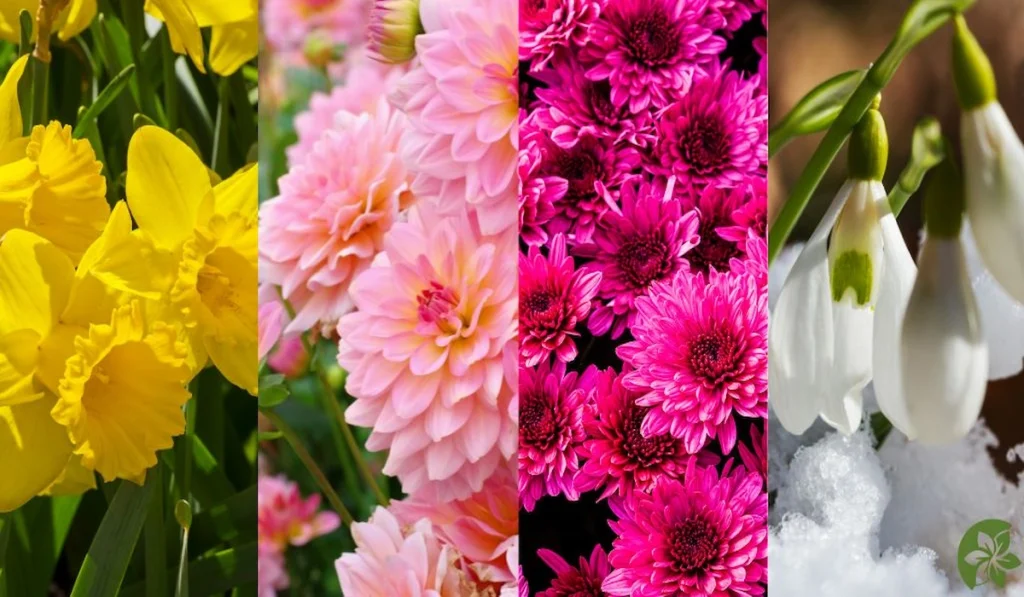
A colourful garden always has something blooming because each season brings its own set of flowers. Choosing the right mix ensures smooth transitions between seasons and consistent colour.
Spring Flowers
Spring is the season of fresh beginnings. As the soil warms, flowers like tulips, daffodils, hyacinths, and crocuses begin to bloom. These early flowers bring bright colours after a long winter and set the tone for the rest of the year. Spring flowers are usually easy to grow and have intense colours that stand out in cool weather.
Summer Flowers
Summer is the time for bold, long-lasting blooms. Flowers like roses, lavender, daylilies, sunflowers, and zinnias thrive in warm temperatures. These flowers keep the garden bright through the hottest months and often come with beautiful fragrances. Summer bloomers are perfect for adding intense colour and filling empty spaces left after spring flowers fade.
Fall Flowers
Fall brings warm tones and soft light, creating a beautiful time for gardening. Chrysanthemums, asters, sedum, and goldenrod are some of the best fall flowers. They perform well in cooler evenings and continue blooming as most summer plants begin to slow. Fall flowers help keep your garden vibrant even as temperatures drop.
Winter Flowers
Winter flowers may seem quiet, but the right plants can still add life. Hellebores, camellias, pansies, and evergreens provide gentle colour and structure through the cold months. These plants brighten the dull winter landscape and give your garden a soft, calming look until spring returns.
Create Layers with Perennials and Annuals
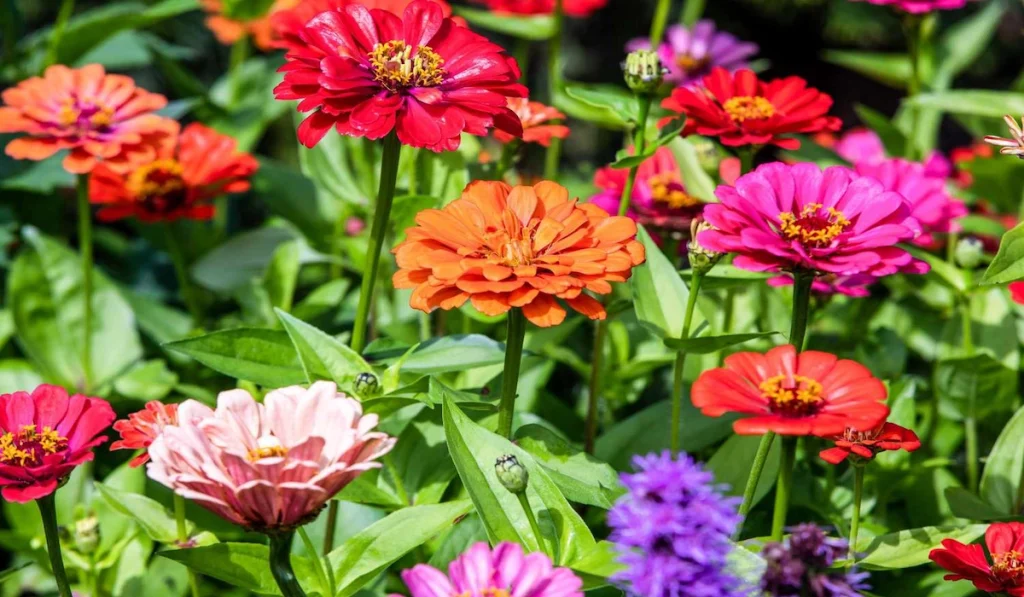
A garden looks fuller and more natural when you create layers using perennials and annuals. Perennials return every year and form the strong base of your flower beds. Plants like coneflowers, peonies, black-eyed Susans, and shasta daisies are reliable performers that provide long-lasting beauty. Annuals such as marigolds, petunias, and impatiens add quick bursts of colour that refresh your garden every season.
When you combine both types, your garden always feels bright and complete. Tall flowers at the back, medium ones in the middle, and low-growing plants in front help build depth. This layering makes your flower beds look fuller, richer, and more professionally designed.
Use Simple Colour Schemes for a Beautiful Garden
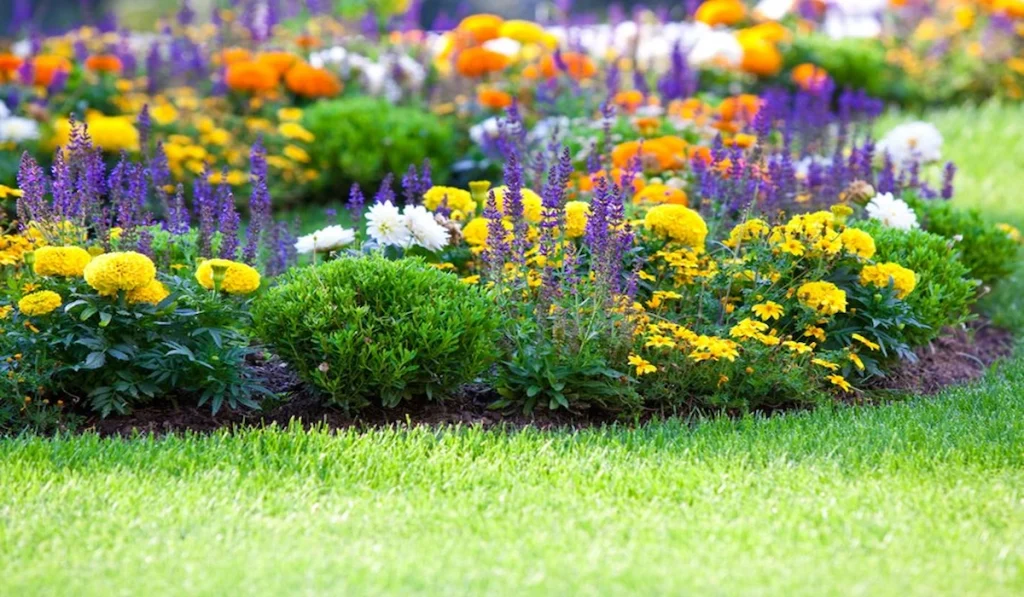
Colour plays a significant role in how your garden feels. Cool colours like blue, purple, and white create a peaceful and relaxing space. Warm colours like red, orange, and yellow bring energy and cheerfulness. You can also mix both types for a lively, balanced look.
A clear colour plan keeps your garden from looking messy. When colours blend well, the flowers stand out more, and the whole garden feels more connected. Even a small flower bed looks better when the colours flow naturally from one area to another.
Keep Your Garden Healthy Through the Seasons
A seasonal garden stays colourful only when the plants remain healthy. Regular care is essential but straightforward. Water your flowers according to the weather, making sure the soil stays moist but not soggy.
Remove old blooms to help plants produce more flowers. Mulch helps keep the soil cool, holds moisture, and reduces weeds. Occasional fertilising gives plants the nutrients they need for strong growth.
Different seasons require slightly different care, but the goal is always the same: keep the soil healthy and provide plants with the support they need. With steady care, your garden will reward you with fresh colours in every season.
Conclusion
A well-planned seasonal flower garden brings beauty all year long. By choosing the right plants, understanding your climate, using simple design techniques, and giving your garden regular care, you can create a space that blooms beautifully from spring to winter. Each season will bring something new, and your garden will always feel bright, colorful, and full of life.