

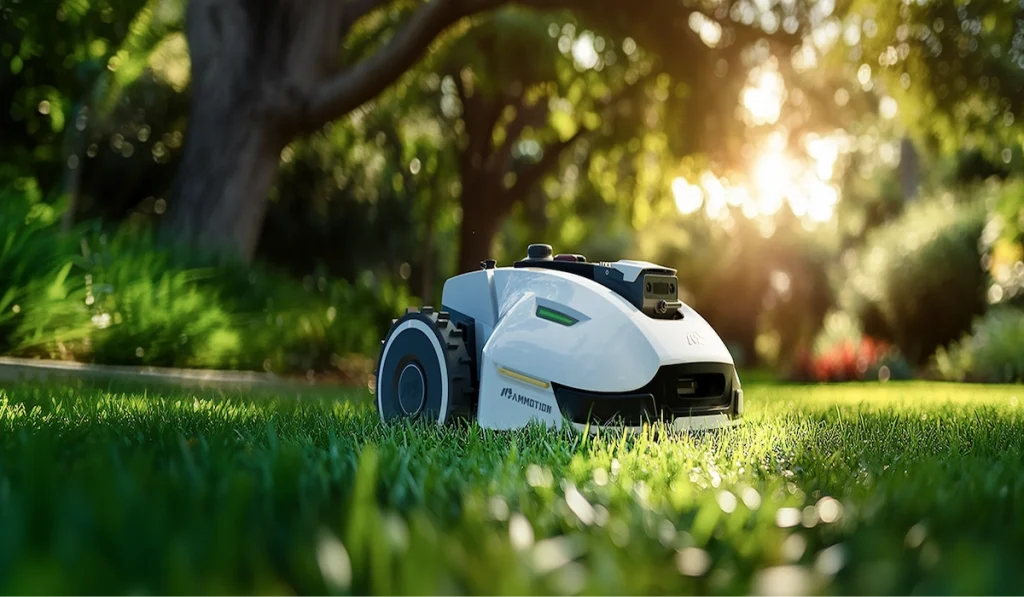
Robotic lawn mowers have quickly moved from an impressive novelty to a realistic option for many homeowners. They work quietly, require little supervision, and promise a perfectly cut lawn without the effort of pushing a heavy mower or hiring a lawn service.
But convenience alone is not the only factor people consider. The most common and practical question is simple: can robotic lawnmowers actually save you money?
The honest answer is that robotic lawnmowers can absolutely save money for many households, but not in every situation.
Whether they save you money depends on the size of your yard, how you currently handle lawn care, how much you spend on fuel or professional services, and how long you plan on keeping the mower.
To understand the real financial picture, it helps to examine how robotic lawnmowers work, how much they cost, and where potential savings lie.
How Robotic Lawnmowers Work
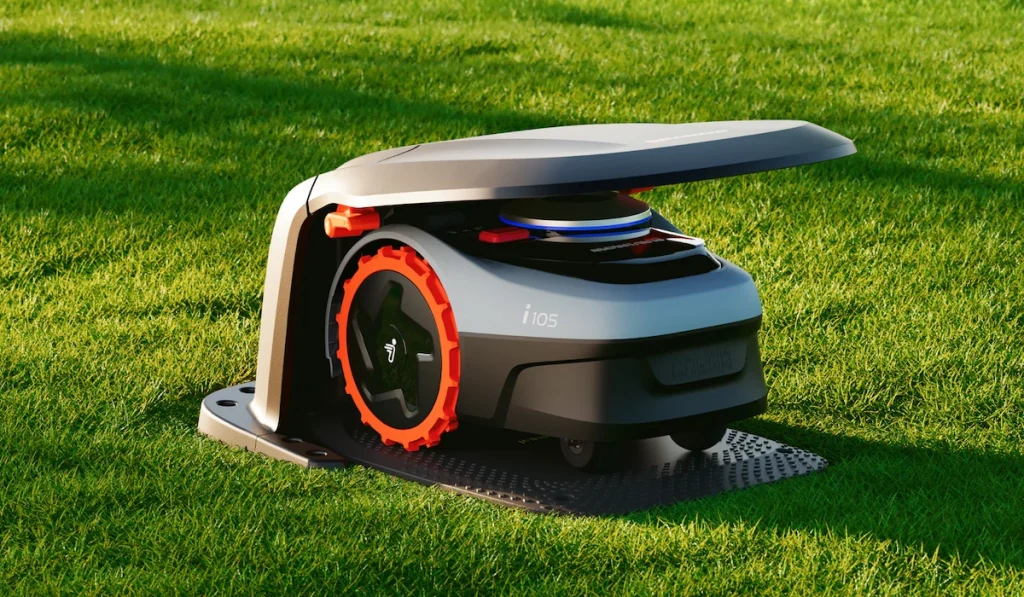
A robotic lawn mower operates in a manner very similar to a robotic vacuum cleaner. Once installed, it operates largely autonomously with minimal human input. Most systems include a charging station in the yard and use either boundary wires or GPS-based control to define where the mower should and should not cut.
Once a schedule is set, the robotic mower automatically starts cutting at your chosen times and returns to its base to recharge. Instead of cutting long, overgrown grass in one session the way traditional mowers do, robotic lawnmowers trim the lawn frequently, sometimes every day or several times per week.
This ongoing trimming keeps the grass uniformly trimmed. The short clippings fall back onto the lawn, gradually decompose, and feed nutrients into the soil, improving lawn health over time.
Many modern robotic mowers include sensors to avoid obstacles, detect rain, and prevent theft. The result is a largely autonomous machine that quietly maintains your yard with minimal effort on your part.
Upfront Costs of Robotic Lawnmowers
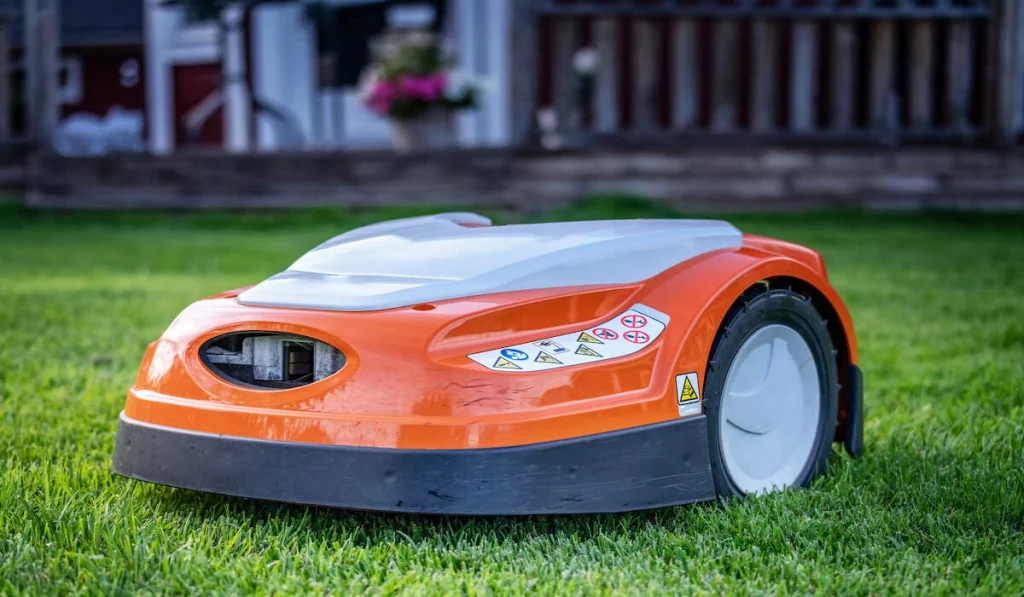
The most significant financial barrier is the initial purchase price. Robotic lawn mowers are more expensive up front than most standard push mowers. Basic models intended for tiny yards cost less, while mid-range models designed for typical suburban lawns cost more. High-end models built for steep hills, extensive properties, or intelligent GPS mapping can become quite costly.
There may also be additional expenses beyond the mower itself. Some homeowners choose professional installation, especially if boundary wiring is required and the yard layout is complex. Blades typically need to be replaced once or twice per season, depending on usage.
If a boundary wire breaks, it may need to be repaired. Specific premium models include optional subscription services for advanced mapping or app features. While the initial cost may seem high, the key question is not simply how much the mower costs, but how that cost compares with what you already spend on lawn care each year.
Current Lawn Care Costs to Compare Against
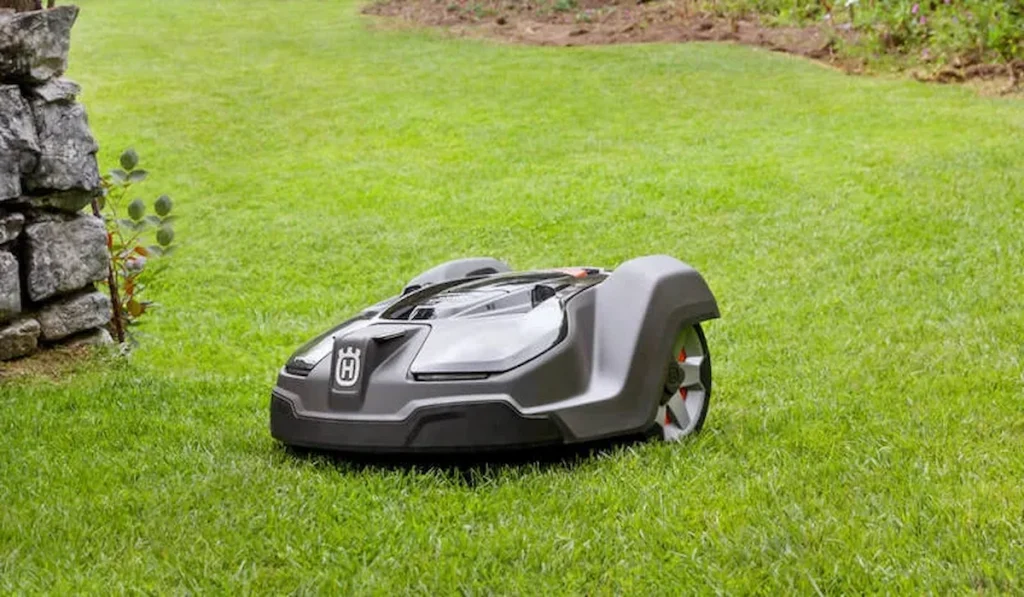
Before deciding whether a robotic lawnmower saves money, it is essential to compare it with your current situation. Many households already pay for weekly or bi-weekly professional lawn care during the growing season.
Over the course of a year, this can easily add up to hundreds or even thousands of dollars, depending on the property size and regional pricing. For these households, replacing ongoing service fees with a one-time equipment purchase often results in significant savings over a few years.
Other homeowners mow their lawns themselves. At first glance, this appears cheaper because there is no monthly service fee. However, self-mowing has costs too. Gas mowers require gasoline, oil, spark plugs, filters, and occasional repairs. Even battery mowers require battery replacement eventually.
Beyond the pure financial cost, time has value. Many people spend dozens of hours per year mowing, especially during peak growing months. For busy families, professionals, or people who dislike mowing, that time may be worth quite a lot.
How Robotic Lawnmowers Save You Money
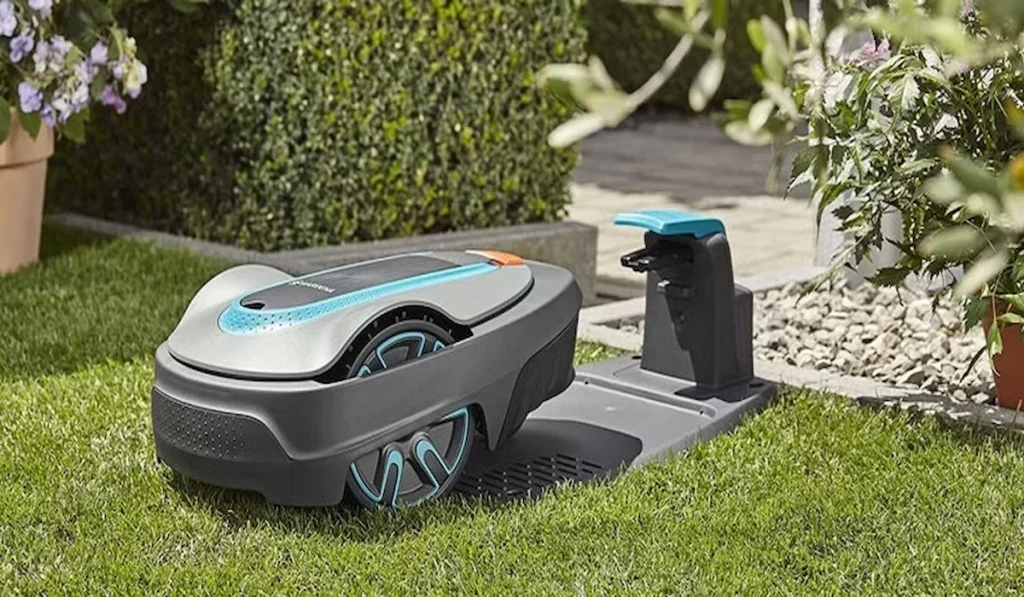
The first primary source of savings comes from eliminating or reducing lawn service fees. For homeowners who currently pay someone to mow their grass, switching to a robotic mower can replace most regular service visits.
Over time, the savings can equal or exceed the machine’s initial cost. In many cases, the mower pays for itself within one to three mowing seasons. Another area of savings is ongoing operation costs. Robotic lawnmowers are electric and therefore do not require gasoline or engine oil.
They also do not need the same level of maintenance as traditional combustion engines. There are no oil changes, air filters, fuel stabilisers, or carburettor repairs. The primary routine expense is replacing cutting blades occasionally, which are generally inexpensive.
A robotic mower can also extend the lifespan of any traditional mower you still own. You may keep a conventional mower for trimming edges or handling unusual growth, but because it will be used far less frequently, it will wear out more slowly. Fewer repairs and a longer lifespan translate into additional savings over time.
There is also an indirect financial benefit that many people overlook. Because robotic mowers mulch constantly and return grass clippings to the soil, the lawn receives a steady supply of natural nutrients.
Healthier grass often requires less fertiliser and fewer lawn treatments. Even small reductions in lawn chemical purchases become noticeable over many seasons.
Benefits Beyond Money

Even if the financial savings are moderate rather than dramatic, robotic lawnmowers offer meaningful lifestyle advantages that many users find just as valuable as dollar savings. One of the most significant benefits is time.
Once the mower is installed and programmed, you do not need to spend your weekends pushing a heavy machine through the yard. This can be especially appealing in hot climates or busy households.
Robotic lawnmowers also operate much more quietly than gas-powered models. Many can run early in the morning or late at night without disturbing neighbours or family members. This quieter operation creates a more peaceful environment, especially in densely populated neighbourhoods.
There are also health and accessibility benefits. For older homeowners, individuals with back or knee problems, or anyone with limited mobility, mowing can be physically demanding or even impossible. A robotic mower allows them to maintain a tidy yard without risking injury or strain. For people with allergies, avoiding direct exposure to grass clippings and dust is another valuable advantage.
Finally, robotic mowers tend to produce a consistently cleaner-looking lawn. Because they trim more frequently than humans typically mow, the grass often appears thicker and more uniform. The lawn rarely reaches the “overgrown” stage because it is consistently maintained.
When Robotic Lawnmowers May Not Save You Money
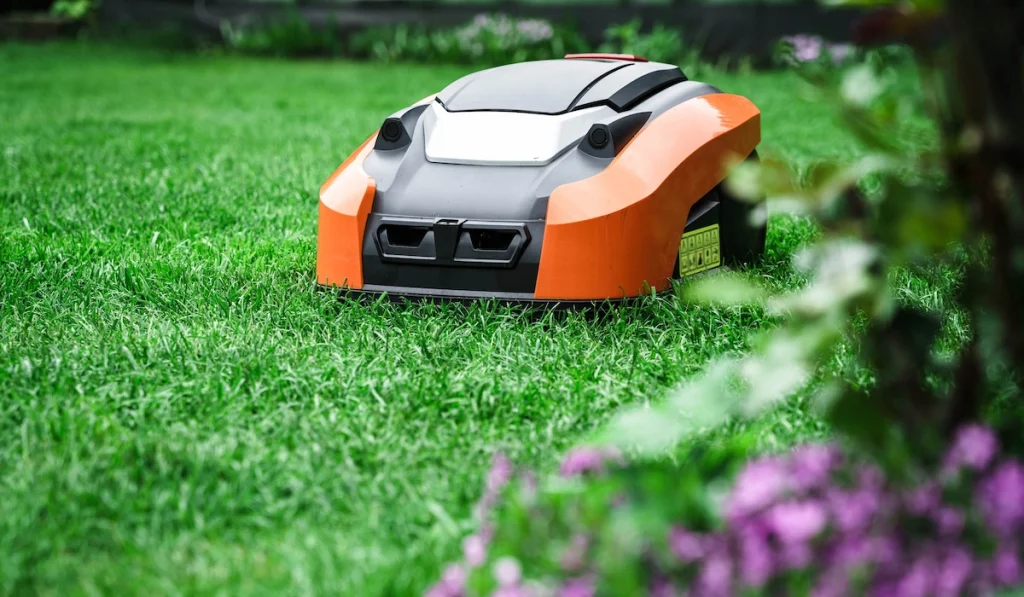
While robotic mowers offer many advantages, they are not the perfect solution for every household. If you own a tiny yard that only needs occasional mowing, you may not see significant savings. For example, someone who mows just once or twice a month with a mower they already own may already have very low lawn care costs.
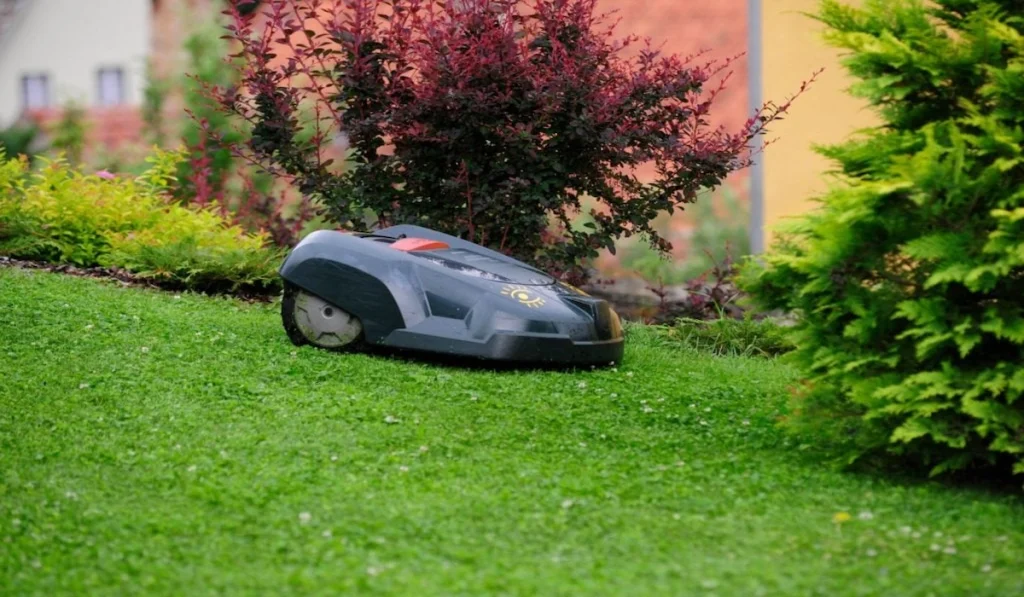
They may also be less practical for yards with extreme slopes, numerous obstacles, exposed tree roots, or heavily cluttered areas. In such spaces, setup and maintenance require more effort, and a more expensive model may be necessary to handle the terrain. If the yard is unfenced and open to streets or shared spaces, additional installation steps may be required to secure the mower.
Robotic mowers also do not typically handle extremely tall or neglected grass well. If the lawn is allowed to grow long before mowing, a traditional mower may still be needed occasionally to reset the height. In these cases, savings are reduced, although the robotic mower can still maintain the lawn once it is brought back under control.
Electricity Costs and Energy Use
Many people wonder whether the cost of electricity offsets the savings from not buying gasoline. Fortunately, robotic lawnmowers are designed to be energy efficient. They use relatively small batteries and operate for short periods before recharging gradually. In most households, electricity usage increases are minimal and often barely noticeable on the utility bill.
Gasoline, on the other hand, is more volatile in price and adds up quickly during periods of heavy mowing. Gas mowers also produce emissions and require fuel storage and transport. Even when electricity costs are considered, robotic mowers usually remain competitive or cheaper over the long term.
Do Robotic Lawnmowers Pay for Themselves?
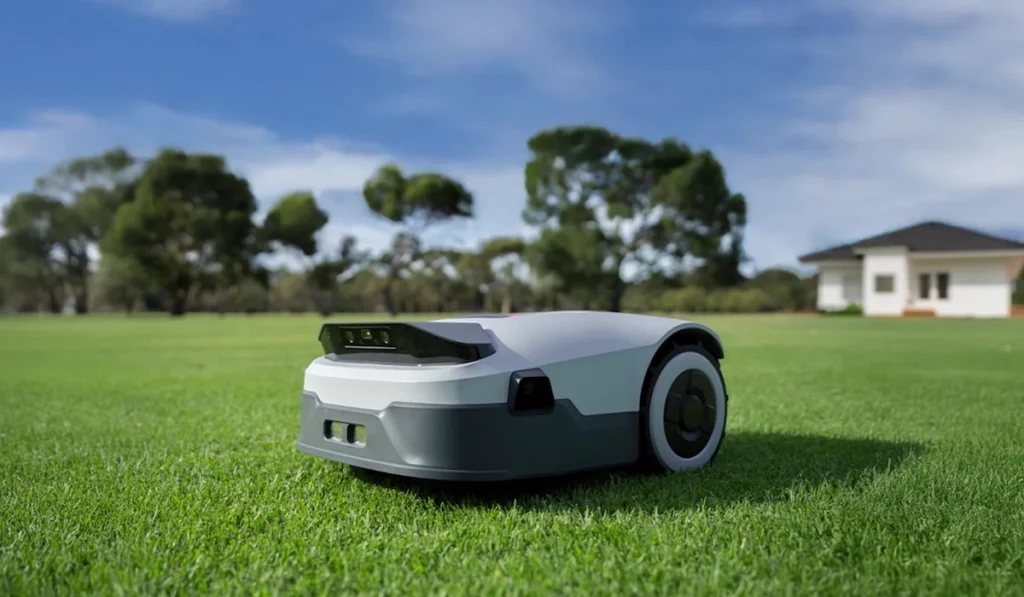
The return on investment largely depends on your current lawn care practices. For someone paying regularly for professional mowing services, a robotic mower often pays for itself relatively quickly, sometimes in just a couple of years.
For those who already mow themselves, the financial payoff may take longer, but savings still occur through reduced fuel, maintenance, and equipment replacement costs. When you also consider the time saved and greater convenience, the overall benefit increases further.
Final Thoughts
Robotic lawn mowers can save money, particularly for households that currently rely on paid lawn services or spend heavily on gas and maintenance. They reduce mowing effort, save time, and keep lawns looking consistently well-maintained. However, they are not ideal for every yard or every budget, and they require an initial investment that may not be necessary for very small or rarely mowed lawns.
The decision ultimately depends on your specific situation. If you value your time, prefer less manual work, or already spend a significant amount on lawn care, a robotic lawn mower is likely a convenient and cost-effective choice.
If you enjoy mowing, have minimal expenses already, or own a tiny yard, the financial savings may be smaller, but the convenience and quiet operation may still make it worthwhile.
In many modern homes, robotic lawnmowers represent more than just a gadget. They are part of a shift toward smart home automation, efficient energy use, and low-maintenance living. For many homeowners, lawn care becomes not a chore but a background task.