

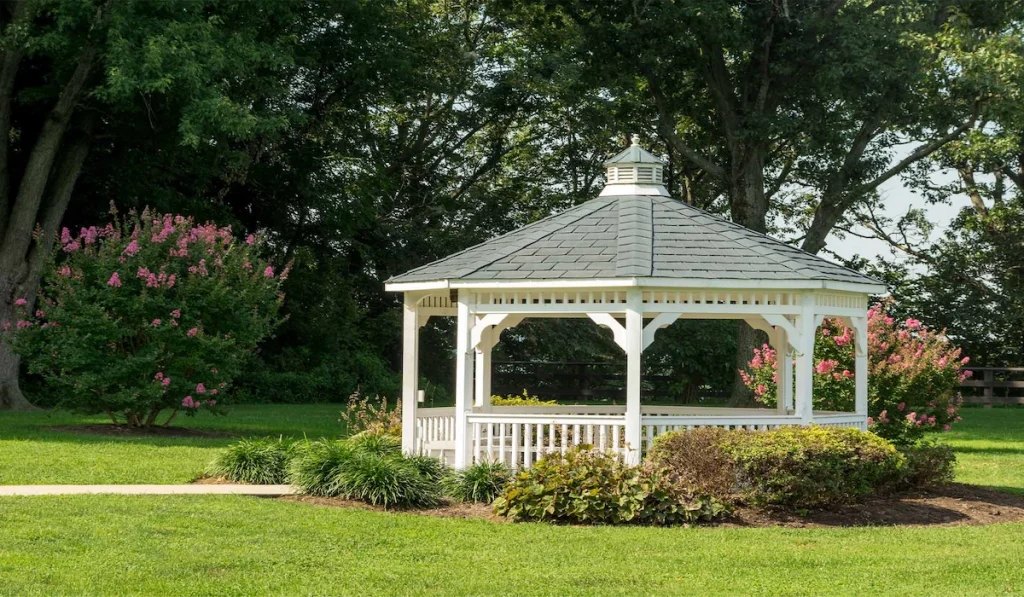
A gazebo is one of those garden features that instantly changes the look and feel of your outdoor space. It is not only decorative but also practical, providing a peaceful spot to sit, relax, enjoy nature, drink tea, read a book, or spend quiet time with family. When a gazebo is built thoughtfully, it becomes the heart of the garden. Birds, plants, fresh air and shade combine to create a calm environment where stress melts away.
Many people think building a gazebo is difficult, but with proper planning, appropriate materials, and a clear design, it becomes a manageable and enjoyable project. In this article, you will learn what a gazebo is, why it is useful, how to choose the right place for it, which materials work best, how to design it, and how to maintain it for many years.
What is a Gazebo and Why is it Built?
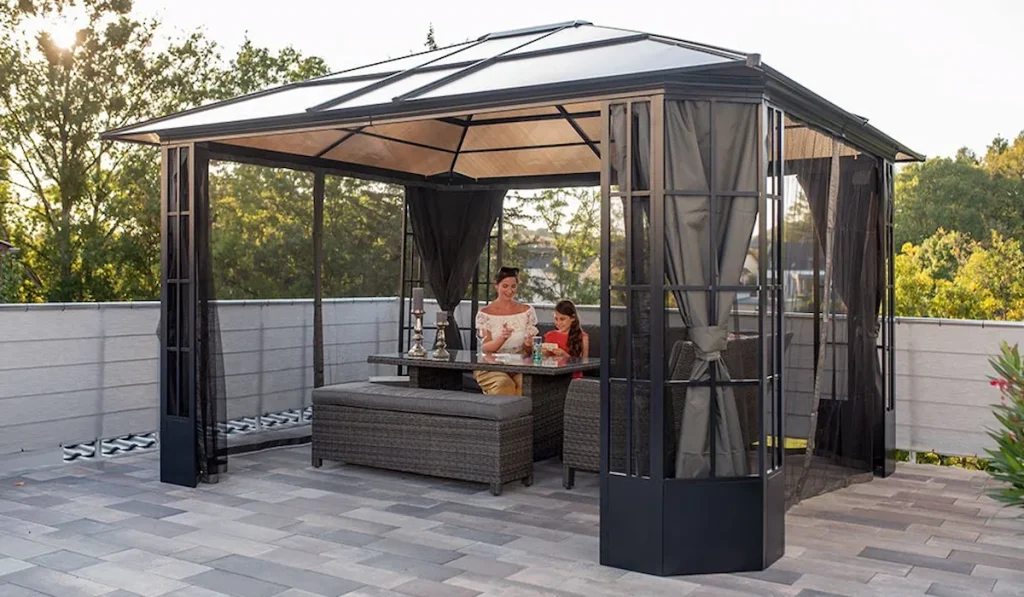
A gazebo is a small, roofed, open-sided structure usually placed in a garden, backyard or park. It can be round, square, hexagonal or octagonal depending on the design style. It typically features pillars or posts instead of solid walls, creating an airy, open feel and a clear view of the garden.
Why is a gazebo a great idea?
A gazebo is more than just decoration. It functions as an outdoor living space. It becomes a sitting area where you stay close to nature without standing directly in the sun. You get shade, comfort and privacy while still feeling outdoors. It is also ideal for small family gatherings, evening tea, birthday celebrations, barbecues, or quiet conversations.
For people who love gardening and landscaping, a gazebo becomes a central focal point. It ties together pathways, plants, lawns and flower beds into one harmonious design. When climbing plants wrap around it, the gazebo becomes a living green room in the garden.
Choosing the Right Location for Your Gazebo
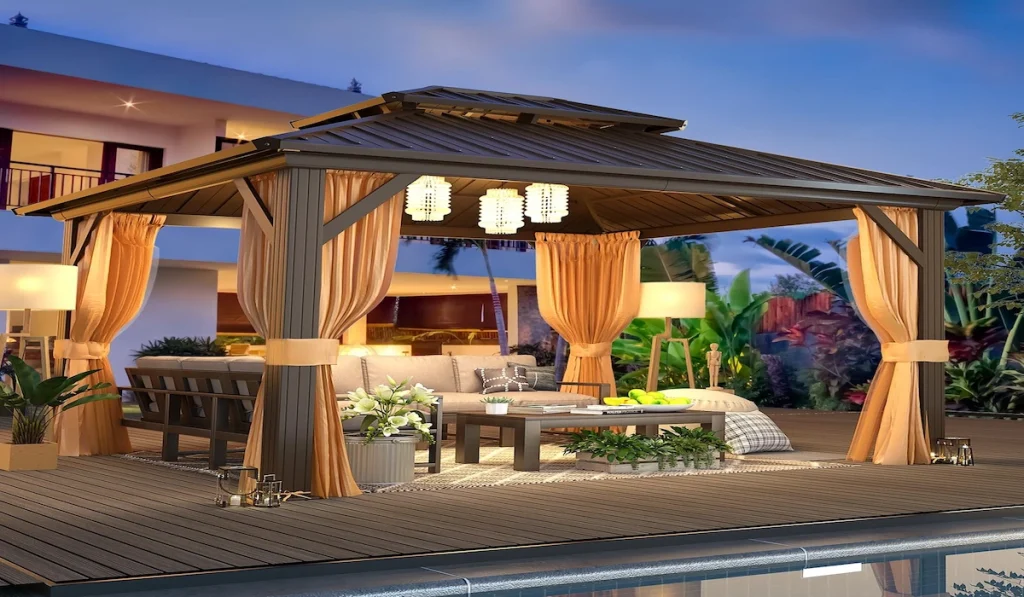
Before considering materials and design, the most crucial decision is location. A beautiful gazebo in the wrong place loses half its charm.
Centre or corner of the garden?
If you want the gazebo to be the main feature, then placing it in the centre of the garden is perfect. It becomes immediately visible and eye-catching from every angle. However, if you prefer peace and privacy, a corner location is better. Corner gazebos feel more secluded, especially when surrounded by flowering shrubs, trees or tall plants.
When placing a gazebo in your yard, surrounding elements matter just as much as the structure itself, making backyard landscaping ideas a great source of inspiration.
Sunlight and shade matter
Monitor your garden at different times of day. A place with harsh sunlight all day may become uncomfortable to sit in. A spot that gets gentle sunlight and partial shade works best. Natural tree shade and wind direction should also be considered. Choose a location that stays cool, airy and pleasant.
Choosing the Best Material for Building a Gazebo
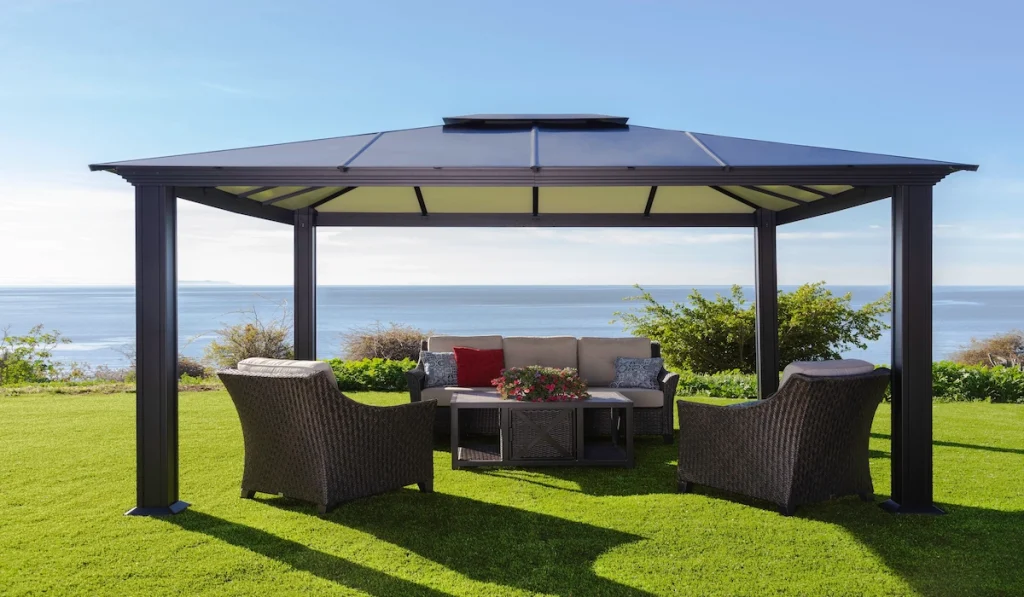
The strength, durability and appearance of a gazebo depend primarily on the material you choose. Different materials give different vibes and require different levels of maintenance.
Wooden Gazebo
Wooden gazebos are the most popular because they blend beautifully with natural surroundings. Wood gives warmth, elegance and a traditional garden feel. However, wood requires regular polishing, painting, or a protective coating to prevent rot, termite damage, and weather damage. When appropriately maintained, wooden gazebos look stunning and last many years.
Metal Gazebo
Metal gazebos are strong, modern-looking, and require less maintenance than wood. They are insect-resistant and often more affordable than permanent brick structures. Regular painting prevents rust and keeps them looking fresh. They are great for contemporary garden designs.
Concrete or brick gazebo
Concrete or brick gazebos are permanent structures. They are highly durable and withstand harsh weather for decades. The cost is higher, but this material is ideal for a long-term, durable garden feature. These gazebos function more like outdoor rooms and serve as the primary architectural element in the landscape.
How to Choose the Right Gazebo Design
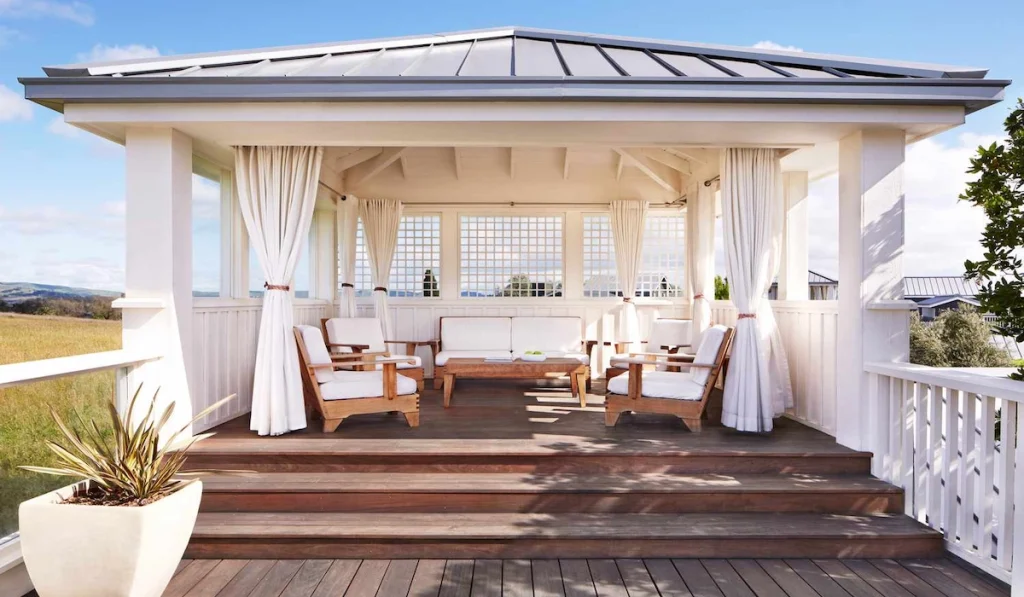
The design depends on your garden size, style and purpose—a small garden suits simple round or square gazebos. Extensive gardens can handle bigger hexagon or octagon shapes that look grand and majestic.
You can keep the sides open or partially covered. Many people allow climbing plants such as roses, jasmine, or ivy to grow over the structure, creating natural shade and fragrance. This makes the gazebo feel like part of the garden rather than a separate element.
Step-by-Step Guide to Building a Gazebo
Now let’s look at the practical process of building a gazebo, especially if you enjoy DIY projects.
Planning and measurement
Start by measuring the space where you want to build. Sketch a rough design on paper. Decide on the height, number of posts, roof style, and seating arrangement. At this stage, it is wise to estimate your budget so that material costs do not surprise you later.
Building the foundation
A strong base is essential. Level the ground properly. For wooden gazebos, a concrete foundation is critical to prevent the wood from contacting damp soil. This prevents rot and extends the structure’s service life. A stable foundation ensures safety and stability.
Many homeowners use a gazebo as a focal point in their yard & it often appears on top landscaping design lists that enhance both beauty and functionality.
Installing pillars and a frame
The pillars hold the entire weight of the gazebo, so they must be straight, strong and evenly spaced. After the posts are fixed, the horizontal frame is built on top to support the roof. Everything should be aligned correctly to avoid future structural problems.
Adding the roof
The roof can be made from wood sheets, tiles, thatch, shingles or metal sheets. A sloped roof is best because rainwater drains easily and does not collect on the roof. The roof shape significantly influences the overall look, whether traditional or modern.
To make your gazebo feel like a natural part of your outdoor space, start with proper home landscaping and garden planning, where layout, balance, and flow are carefully considered.
Combining Landscaping with a Gazebo
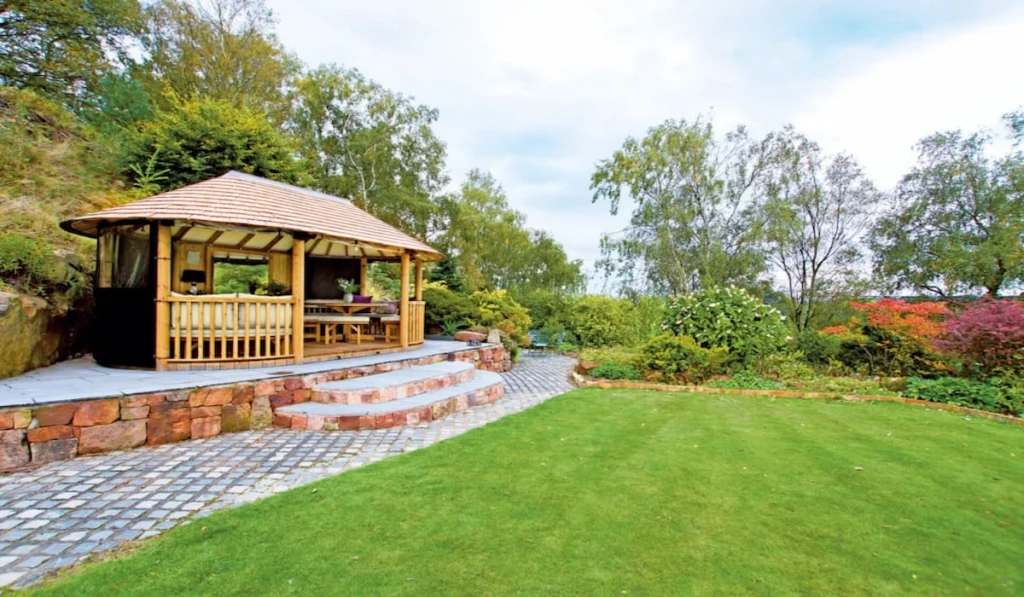
A gazebo alone is lovely, but a gazebo with good landscaping becomes magical.
Using plants creatively
Climbers, hanging plants, colourful flowers and fragrant shrubs around the gazebo make it feel alive. Bougainvillea, jasmine, wisteria and ivy climb beautifully over structures and create natural shade. Lawns and flower beds around the area make the space inviting and fresh.
Pathways and lighting
A stone or brick pathway leading to the gazebo gives a professional landscape finish. Soft garden lighting along the path or inside the gazebo creates a cozy evening atmosphere. Solar lights work great and require no wiring.
Water features nearby
A small pond, waterfall, or fountain near the gazebo enhances the beauty and calm. The sound of flowing water relaxes the mind and creates a peaceful environment perfect for meditation, reading or quiet conversation.
How You Can Use a Gazebo
A gazebo can be used in many creative ways. It can be a breakfast corner, an evening tea spot, an outdoor study area, a yoga or meditation space, or even a small home office surrounded by greenery. Many people also use gazebos for photoshoots, wedding decorations and family gatherings because they look naturally elegant.
Gazebo Price and Cost Guide
This section explains the approximate cost of different types of gazebos, including wood, metal and concrete options, along with installation and extra expenses so that you can plan your garden budget easily.
Wooden Gazebo Price
The price of a wooden gazebo depends on size, design and the quality of wood used. A small 6×6-foot wooden gazebo typically costs between ₹40,000 and ₹70,000, which is approximately 500 to 900 US dollars.
A medium-sized 8×8-foot wooden gazebo typically costs between ₹80,000 and ₹1,40,000, equivalent to about 1,000 to 1,700 US dollars. If you want a large wooden gazebo of 10×12 feet or larger, the budget typically ranges from ₹1,60,000 to ₹3,00,000, or more, which is around 2,000 to 4,000 US dollars.
Concrete or Brick Gazebo Price
Concrete or brick gazebos are permanent structures, so their price is usually higher. A small basic concrete gazebo typically costs between ₹1,50,000 and ₹2,50,000, which is about 2,000 to 3,500 US dollars.
A medium-sized gazebo with a more decorative design can cost between ₹3,00,000 and ₹5,00,000, approximately 4,000 to 7,000 US dollars. If you prefer a luxury or large concrete gazebo, the price can exceed ₹6,00,000, which is approximately 8,000 US dollars.
Metal Gazebo Price
Metal gazebos are often the most budget-friendly option. A small prefabricated metal gazebo typically costs between ₹25,000 and ₹60,000, or approximately 300-700 USD. A medium-sized powder-coated metal gazebo typically costs between ₹70,000 and ₹1,20,000, equal to about 900 to 1,600 US dollars. If the design is heavy and decorative, the price of a metal gazebo can range from ₹1,30,000 to ₹2,50,000, which is around 1,700 to 3,500 US dollars.
Installation and Extra Expenses
In addition to the main structure, there are additional costs. Roof shingles or tiles typically add an extra fee of around 15,000 to 60,000 rupees. Labour charges for masons or carpenters can range from 20,000 to 1 lakh rupees, depending on the city and design complexity.
If you add lights, fans, or electrical wiring, the cost may increase by 5,000 to 25,000 rupees. Flooring, such as tiles, wood decking, or stone flooring, can add another twenty thousand to one lakh twenty thousand rupees.
Total Average Budget
For most people, the total gazebo budget typically ranges from ₹80,000 to ₹3,00,000. Metal gazebos are generally the least expensive option; wooden gazebos are the most stylish and popular; and concrete or brick gazebos are the most durable and long-lasting. You can select the best option based on your garden size, design style and budget.
Maintaining Your Gazebo for Long Life
After building, proper care is necessary. Wooden gazebos should be polished or sealed at least once a year. Metal gazebos may need repainting to prevent rust. Regular cleaning keeps dust, leaves and insects away. If plants grow over the gazebo, trim them to avoid damage to the structure.
Good maintenance protects your investment and keeps the gazebo beautiful for many years. If you are exploring strong, stylish options, modern gardens often benefit from landscaping and metal gazebos that combine durability with a clean, contemporary look.
Final Thoughts
Building a gazebo is not just about constructing a structure. It is about creating a peaceful corner of your life where you connect with nature and relax your mind. It completes your garden design, enhances your landscaping, and increases your home’s value. With thoughtful planning, the right materials and little care, a gazebo becomes a long-lasting companion in your gardening journey.