


Building a vertical garden in a small space is an excellent way to bring the beauty of nature indoors or transform an outdoor area into a lush, green sanctuary. Whether you live in an apartment with limited outdoor space, have a small backyard, or want to add greenery to your balcony, a vertical garden is a practical and creative solution.
In this guide, we will walk you through the step-by-step process of creating your vertical garden, using easy-to-follow techniques and tips for small spaces.
What is a Vertical Garden?
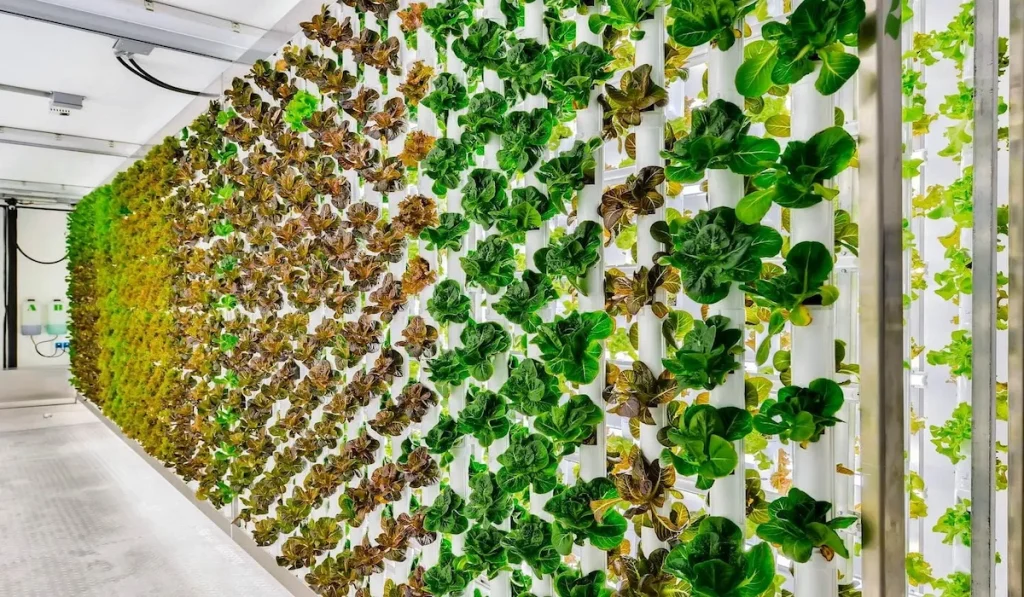
A vertical garden is a gardening method that uses vertical space to grow plants, rather than traditional horizontal garden beds. This approach is ideal for small spaces with limited ground area. By growing plants vertically, you can maximize your available space, add greenery to walls, fences, or even the interior of your home, and make the most of your living area.
Vertical gardening is not just about adding plants to your space—it’s also about creating a beautiful, functional design that can fit your lifestyle. From succulent walls to herb gardens, vertical gardens can be customized to meet a wide range of needs, whether you want to grow flowers, herbs, vegetables, or even small trees.
Why Choose a Vertical Garden for Small Spaces?
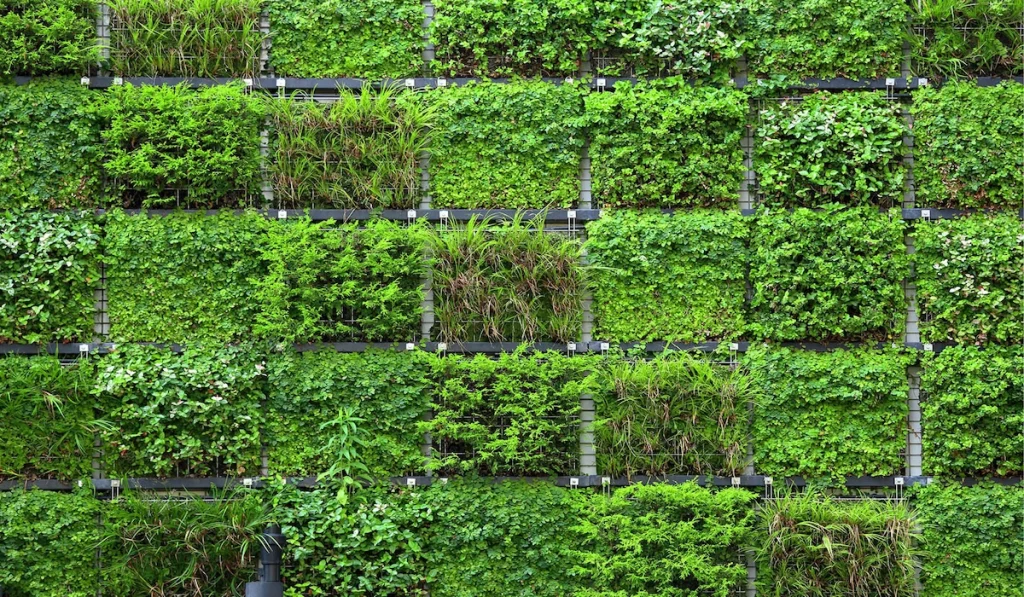
Small living spaces often present challenges, and one of the biggest hurdles is fitting plants without overcrowding. Vertical gardens offer the perfect solution for individuals who want to enjoy the benefits of gardening but are constrained by limited space.
The most obvious advantage is that vertical gardens enable you to maximize your available space. Whether you have a small apartment or a balcony, a vertical garden can be designed to fit virtually any space. It also allows you to grow more plants in less space, creating a compact and visually appealing garden that remains efficient.
Another significant benefit of vertical gardens is that they can help improve air quality. Plants are known for their ability to absorb carbon dioxide and release oxygen, and by having them in your home or apartment, you can breathe cleaner air. Vertical gardens also help reduce noise, provide privacy, and lower indoor temperatures by cooling the surrounding environment.
How to Plan Your Vertical Garden
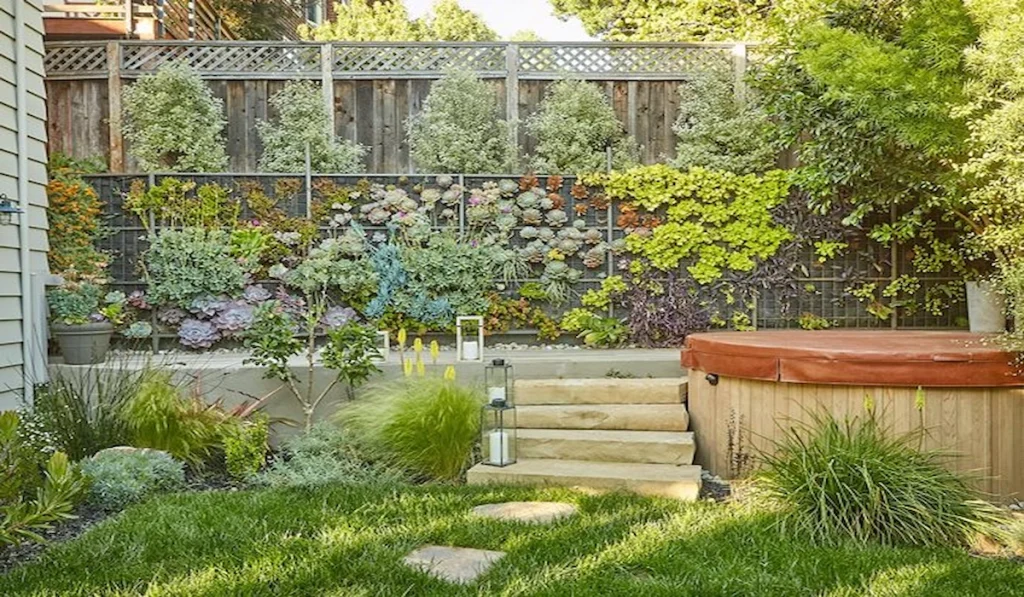
Planning your vertical garden is the first step in ensuring its success. The first step is to determine where you want to place your garden. Consider the amount of sunlight the area receives and the available space. Some plants require full sunlight, while others thrive in shade, so it’s essential to match your plant choices to your space’s conditions.
Next, consider how high you want your garden to extend. Vertical gardens can be built to cover an entire wall or to create a minor, compact feature in a room’s corner.
You’ll also want to decide on the garden style: a hanging planter, a framed grid, a series of stacked boxes, or a self-watering system. Once you’ve decided on the placement, take measurements to ensure the structure you choose fits perfectly into the designated space. This is especially important for smaller areas, where every inch of space counts.
If you plan to grow plants directly in the ground, it’s essential to consider the type of lawn foundation you’re working with. Understanding sod vs. seed can help you decide which option is better suited for creating a solid base for your vertical garden’s surrounding landscape.
Building a Vertical Garden
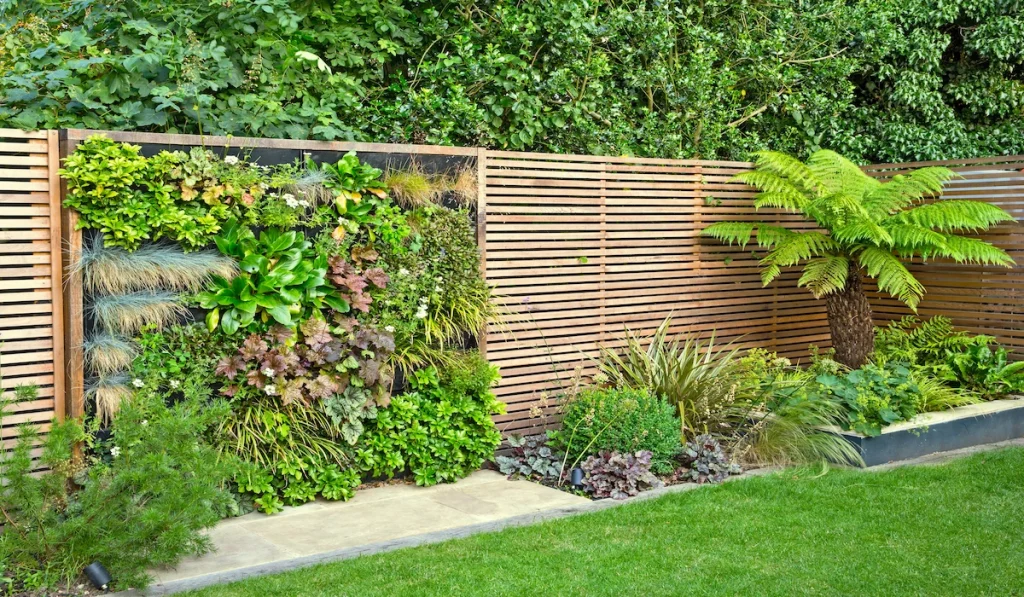
Once you have a clear plan in place, it’s time to start building your vertical garden. There are several ways to create a vertical garden, ranging from DIY methods to purchasing pre-made systems. Let’s explore a few of the most popular options:
Hanging Planters
One of the easiest and most cost-effective ways to create a vertical garden. You can purchase hanging planters or use items like baskets, mason jars, or old shoes to create a unique look. Hang them along a wall or fence, and fill them with your chosen plants.
Trellis or Mesh Systems
A trellis or mesh panel provides a sturdy structure for plants to grow vertically. You can attach the mesh to a wall or fence and allow climbing plants, such as vines, ivy, or peas, to grow up and around it. This is an excellent option for growing vegetables or flowers that require support.
Stacked Planters
These planters are stacked, creating a multi-level garden. Stacked planters are an excellent option for small spaces, allowing you to grow multiple plants in a compact area. You can build your own stacked planter using wood or repurpose an old ladder or shelving unit.
Pallet Gardens
If you have an old wooden pallet lying around, you can easily turn it into a vertical garden. Attach some fabric or mesh to the back, fill the slats with soil, and plant your chosen plants. It is a great DIY project that can be done in a weekend.
Wall-mounted Garden Frames
For a more polished look, consider building or buying a wall-mounted garden frame. These frames can be installed directly onto a wall and hold small pots or planters. Wall-mounted garden frames are perfect for herbs or flowers and can be a beautiful addition to your home décor.
Choosing the Right Plants for Your Vertical Garden
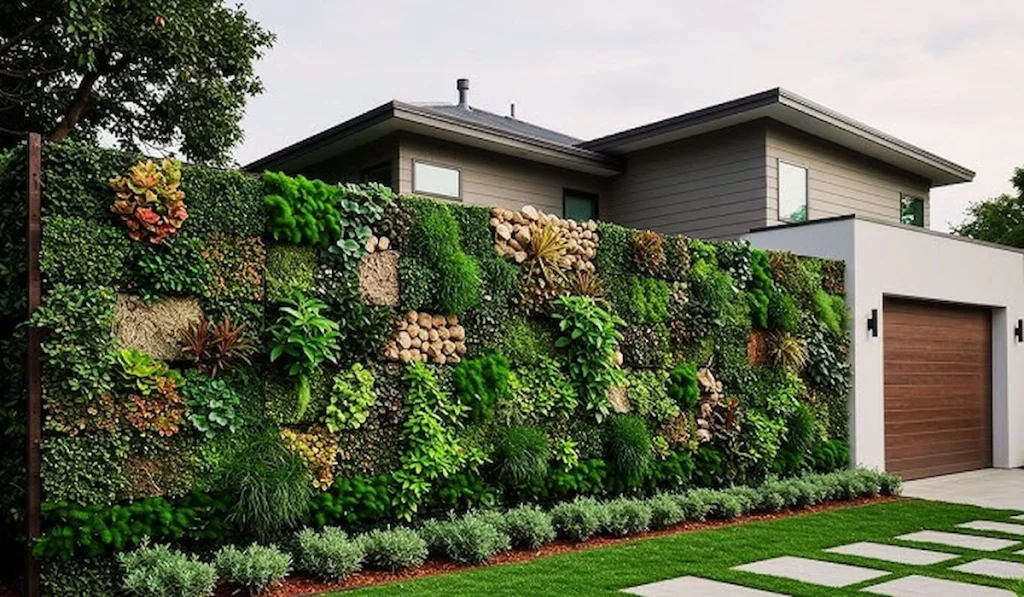
The success of your vertical garden largely depends on the plants you choose. For small spaces, select plants that don’t require much space to grow and thrive in vertical arrangements. Here are some great plant options for vertical gardens:
Herbs: Perfect for small vertical gardens, they don’t require much space. You can grow herbs like basil, mint, rosemary, thyme, and parsley on a sunny balcony or kitchen wall.
Succulents: Ideal for vertical gardens because they’re low-maintenance and can thrive in a variety of conditions. Their compact size and striking appearance make them perfect for small spaces.
Foliage Plants: Ivy, ferns, and philodendrons are excellent choices for vertical gardens. They can climb and spread out, creating a beautiful green wall. Foliage plants are also well-suited to low-light spaces, making them ideal for indoor vertical gardens.
Flowers: To add colour to your vertical garden, consider planting flowers such as petunias, pansies, or marigolds. These plants can be trained to grow vertically and will add a pop of colour to your space.
Climbing Vegetables: If you’re interested in growing your own food, climbing vegetables such as peas, tomatoes, and cucumbers are excellent choices for vertical gardens. These plants require support to climb, and a vertical garden setup is perfect for them.
Small Shrubs or Bushes: Small shrubs, such as lavender or dwarf roses, can also thrive in vertical gardens. These plants will add fragrance and texture to your garden, making it both functional and beautiful.
Vertical Garden Care and Maintenance
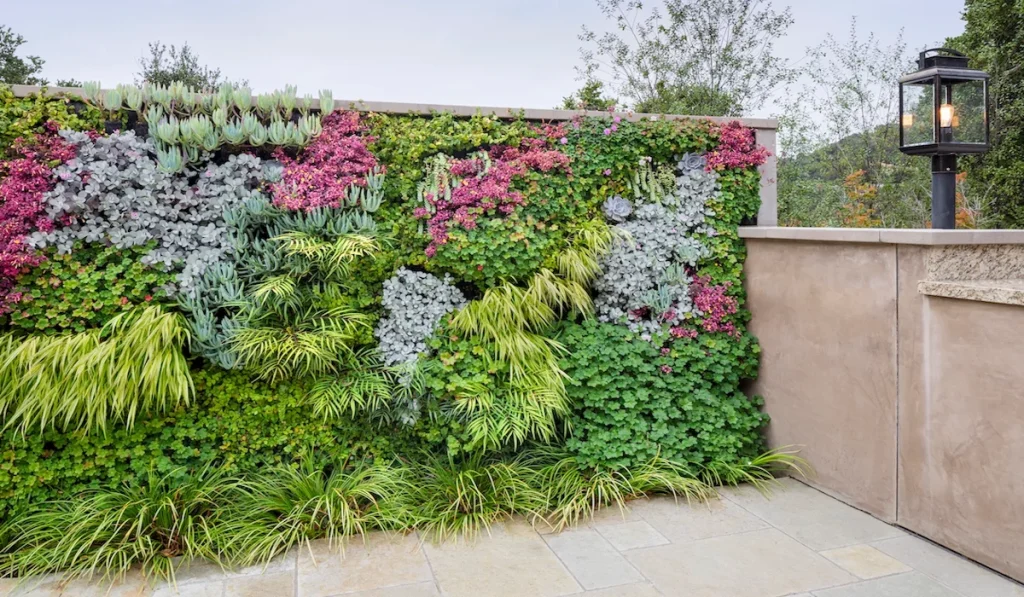
Caring for a vertical garden is not much different from caring for a traditional garden. The key is to ensure your plants receive the appropriate sunlight, water, and nutrients to thrive.
Watering
Vertical gardens may dry out faster than traditional gardens, so it’s essential to water your plants regularly. A drip irrigation system can be a great way to ensure consistent watering. If you’re growing plants in small containers or planters, ensure that you water them thoroughly, keeping the soil moist but not soggy.
Fertilizing
Since vertical gardens are often grown in containers, it’s important to fertilize your plants regularly to keep them healthy. Choose a balanced fertilizer or an organic option, depending on your preference.
Pruning
Regular pruning will help your vertical garden stay healthy and look neat. Trim any dead or overgrown stems and leaves to keep your plants from becoming too unruly.
Final Thoughts
Building a vertical garden for small spaces is a rewarding and creative project that can transform your living area into a lush, green haven. By utilizing vertical space, you can grow a variety of plants in limited areas, creating a garden that is both beautiful and functional. With a bit of planning, the right plants, and some simple DIY techniques, anyone can make a stunning vertical garden, regardless of the available space.
For expert guidance on transforming your outdoor space, consider exploring Dreamscapes Florida’s services. They specialize in landscape design, lawn maintenance, and irrigation systems, offering tailored solutions to enhance your garden’s beauty and functionality.