

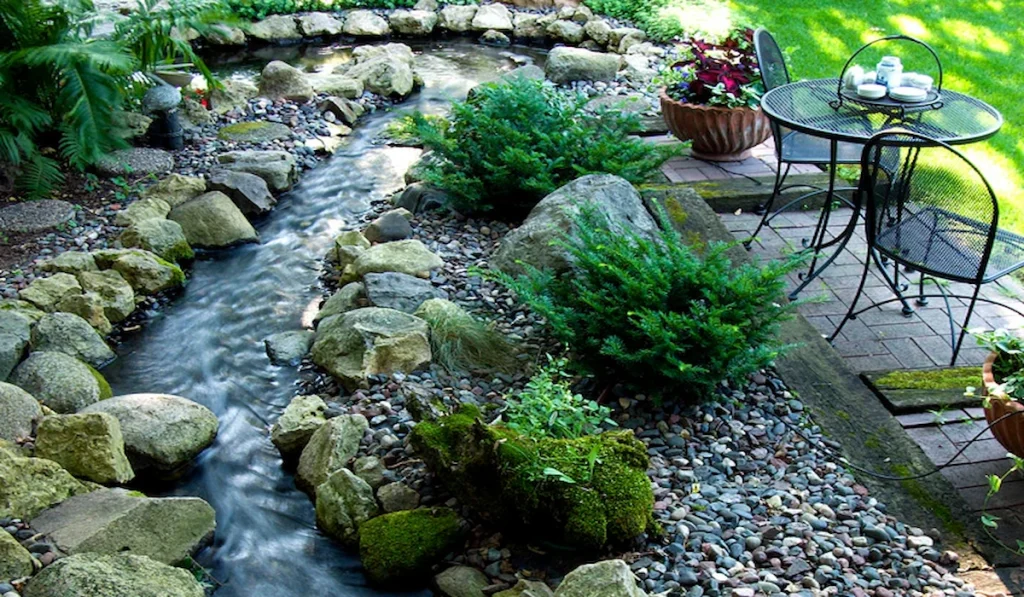
Rock gardens are an excellent way to add beauty, texture, and a sense of serenity to your outdoor spaces. They not only enhance the aesthetics of your yard but also provide a sustainable and low-maintenance gardening solution. In this detailed guide, we’ll explore how to design and build a stunning rock garden that stands out and adds natural beauty to your home.
Why Opt for a Rock Garden?
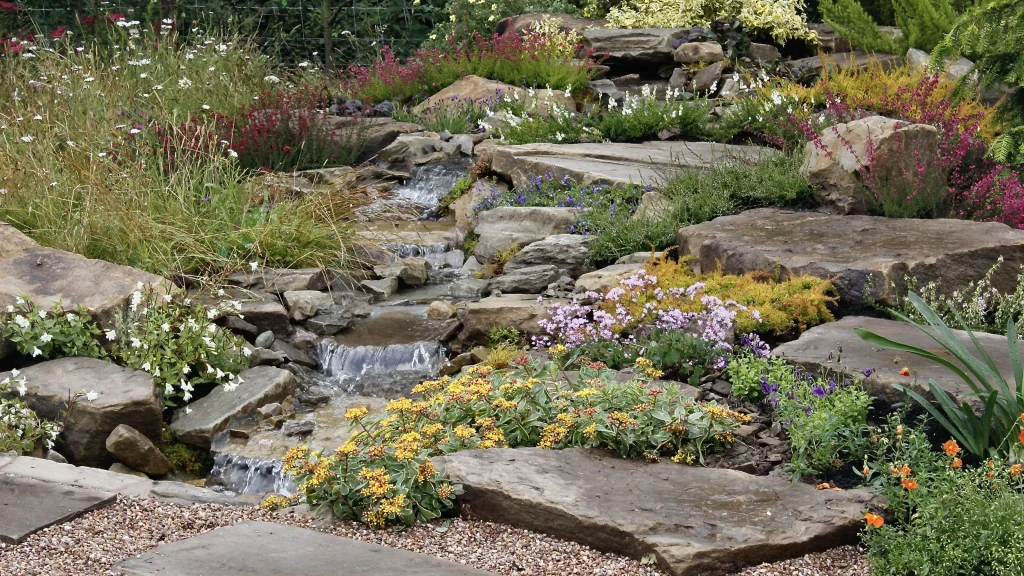
Rock gardens are gaining popularity for their unique look and minimal care requirements. They are especially ideal for people living in dry areas or with poor soil conditions. Here’s why a rock garden could be the perfect addition to your outdoor space:
- Low Maintenance: Once established, rock gardens require little maintenance, making them perfect for those who want beauty without constant effort.
- Water Conservation: Rock gardens typically use drought-tolerant plants that require less water than traditional gardens.
- Sustainable Landscaping: A rock garden is environmentally friendly. Using native plants and local stones reduces the need for fertilizers and pesticides.
Planning Your Rock Garden
Before you start gathering rocks and plants, it’s essential to plan your rock garden. Consider the following aspects:
1. Choosing the Right Location
The first step in creating your perfect rock garden is selecting the correct location. Keep in mind that rock gardens thrive in sunny spots with well-drained soil. If you’re planning to add larger stones, ensure the space can accommodate them.
Look for areas in your garden that receive at least six hours of sunlight per day. If your garden is prone to standing water, make sure the ground is well-draining. Raised beds or slightly elevated locations are ideal for this purpose, as they provide better drainage.
2. Select Your Rocks Wisely
The rocks you choose for your garden will define its overall aesthetic. There are several types of rocks to consider:
- Flagstones: These flat stones are perfect for creating pathways or seating areas in your rock garden.
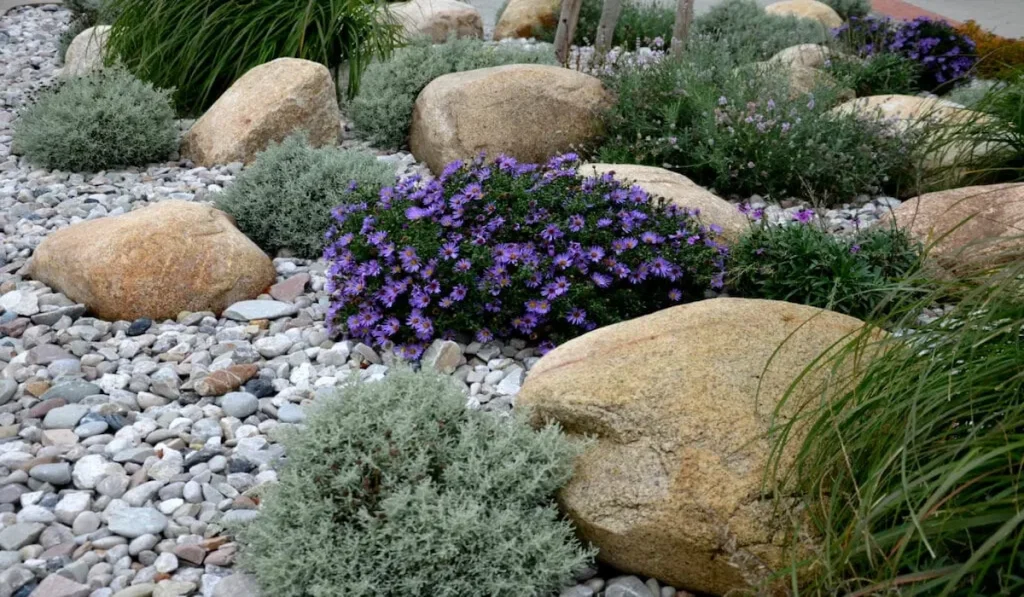
- River Rocks: Smooth, rounded stones that work well in dry creek beds or as decorative accents.
- Boulders: Large, imposing rocks that serve as the focal point of your rock garden.
- Pebbles: Smaller stones that can fill in gaps or create a clean, uniform look in specific areas of your garden.
When selecting rocks, look for those that blend well with your garden’s natural environment. Choose stones with various colors, shapes, and sizes for a more natural and visually appealing landscape.
3. Designing the Layout
The layout of your rock garden should reflect the natural formations you see in nature. Consider mimicking a rocky hillside or a desert-like formation. You can achieve this by layering rocks from the largest at the base to the smallest at the top.
Start by placing the larger rocks first, creating focal points. Then, build around them, using medium-sized stones and smaller pebbles. The goal is to create depth and texture, allowing the rocks to interact with the plants naturally.
Planting in Your Rock Garden
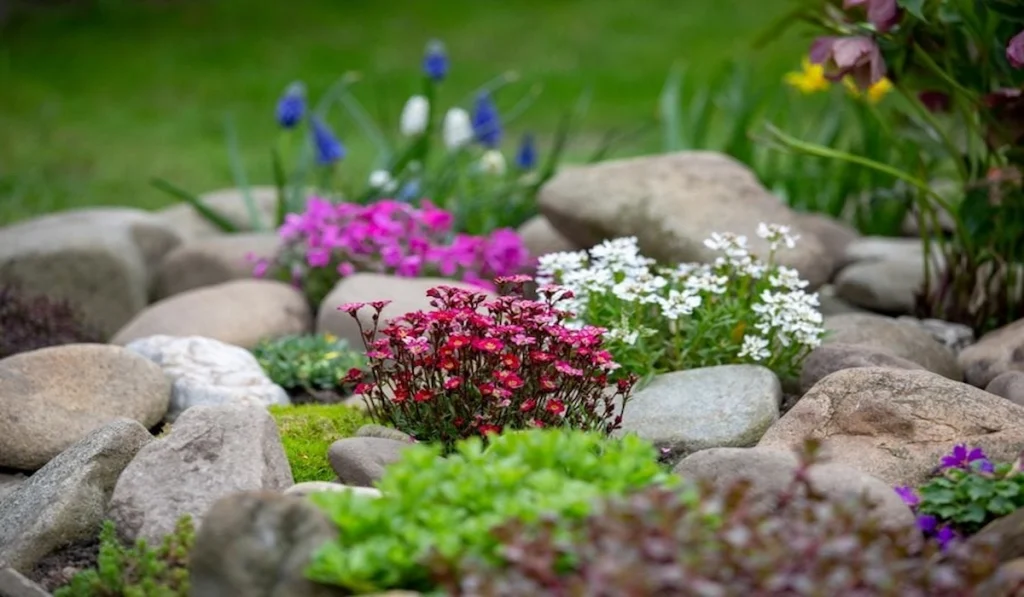
The plants you choose play a vital role in the overall appearance of your rock garden. Select plants that can tolerate dry conditions and poor soil, as these types will thrive in a rock garden environment.
1. Choosing the Right Plants
Some popular plants for rock gardens include:
- Succulents: These plants, like aloe vera, sedum, and echeveria, thrive in dry conditions and require minimal watering.
- Alpine Plants: These plants are perfect for rock gardens, as they naturally grow in rocky, mountainous regions. Look for alpine species such as Alpine Aster and creeping thyme.
- Groundcovers: Plants like creeping Jenny, moss, and thyme work well as ground cover, filling in the spaces between rocks and adding greenery to your design.
- Flowering Plants: Consider incorporating colorful flowers such as lavender, daffodils, and primroses to add vibrancy to your garden.
2. Arranging the Plants
Once you’ve selected your plants, it’s time to arrange them in your garden. Start by placing your larger plants in the middle or towards the back of the garden. Smaller plants should be placed in the front or along the edges, ensuring they won’t be overshadowed by larger plants.
Also, consider plant height when arranging your garden. Taller plants should be placed in the background, while smaller groundcovers or flowers should be in the foreground. Mixing different plant types, such as low-growing succulents and evergreen shrubs, will give your rock garden more depth and texture.
3. Layering Your Plants
One of the keys to a successful rock garden is creating different layers of plants. Use different heights, colors, and textures to create visual interest. For example, plant low-growing ground covers like moss between larger rocks, while placing taller flowering plants in the back or center.
Adding Decorative Features
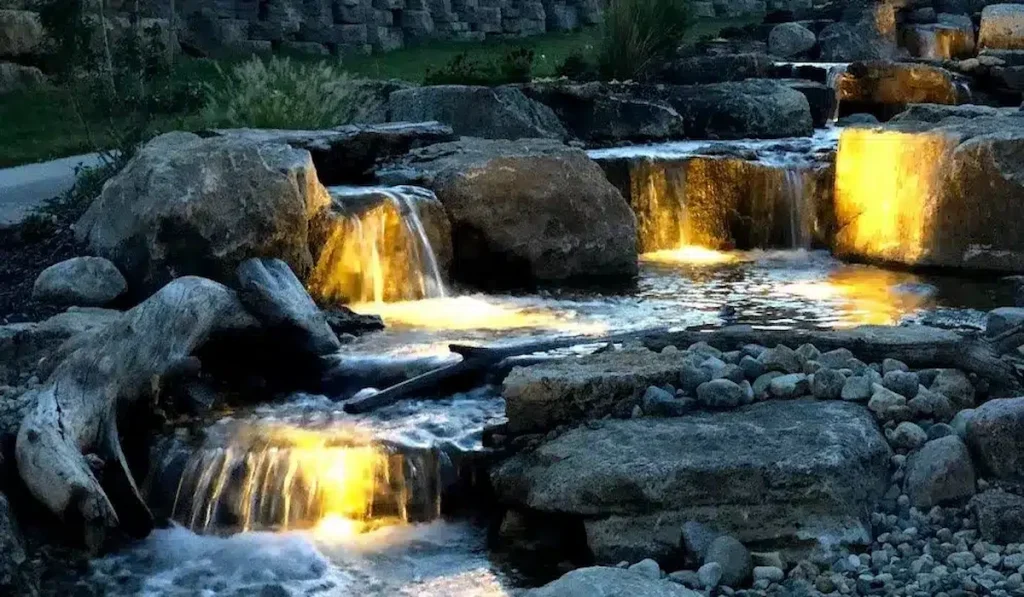
While rocks and plants are the core of your rock garden, you can enhance the beauty of your design with additional decorative elements. Consider the following features:
- Water Features: A small stream, pond and fountain can add a soothing, peaceful sound to your rock garden. Just ensure it’s located where water can drain away properly.
- Garden Statues: A few carefully placed statues can add an artistic touch to your rock garden.
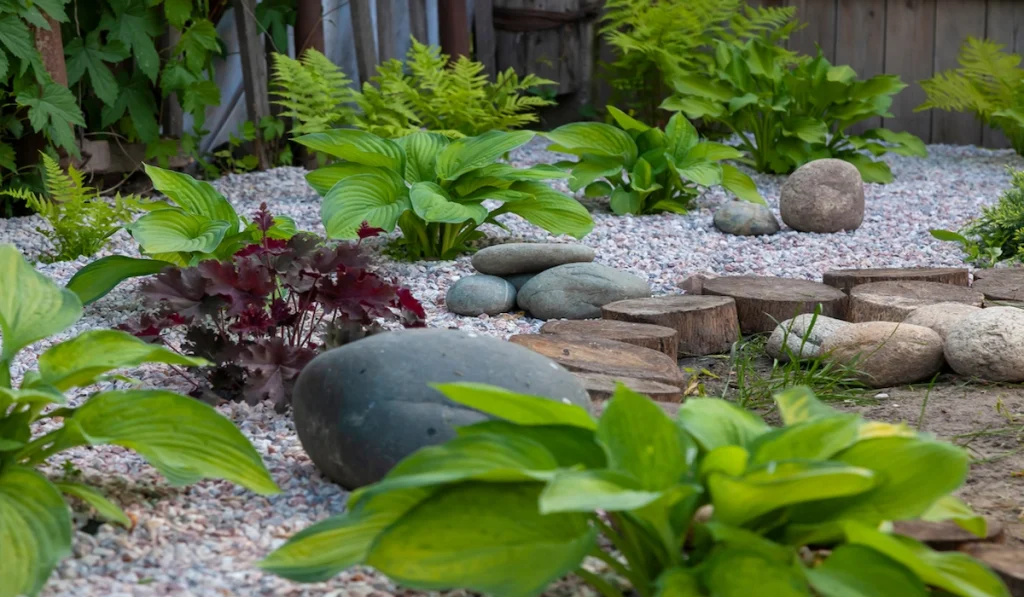
- Pathways: Use flagstones, gravel, or wood to create pathways through your garden, giving it a more defined and organized look.
- Lighting: Solar-powered garden lights or lanterns can illuminate your rock garden at night, creating a magical atmosphere.
How to Maintain Your Rock Garden
Maintaining a rock garden requires minimal effort, but regular care will ensure it remains healthy and beautiful.
1. Watering and Irrigation
Although rock gardens use drought-tolerant plants, it’s important to water them during dry spells, especially during the establishment phase. Install a drip irrigation system to deliver water directly to the roots, avoiding wastage and ensuring your plants thrive.
2. Pruning and Deadheading
Regularly prune plants to maintain their shape and promote healthy growth. Remove dead or damaged leaves, flowers, or stems to keep the garden neat and vibrant.
3. Weeding
Rock gardens tend to have fewer weeds than traditional gardens, but occasional weeding is necessary to keep unwanted plants from overtaking your design. Use mulch or ground covers to prevent weed growth.
Conclusion
A well-designed rock garden can transform your outdoor space into a beautiful, low-maintenance paradise. By choosing the right rocks, plants, and decorative features, you can create a visually stunning and sustainable landscape that thrives in all seasons. With minimal upkeep and maximum impact, your rock garden will be a place you can enjoy for years to come.
Whether you’re looking to enhance your garden’s aesthetic or add functionality to an otherwise unused space, a rock garden is a versatile and rewarding addition. Let nature take center stage in your yard with the soothing beauty of a rock garden!