

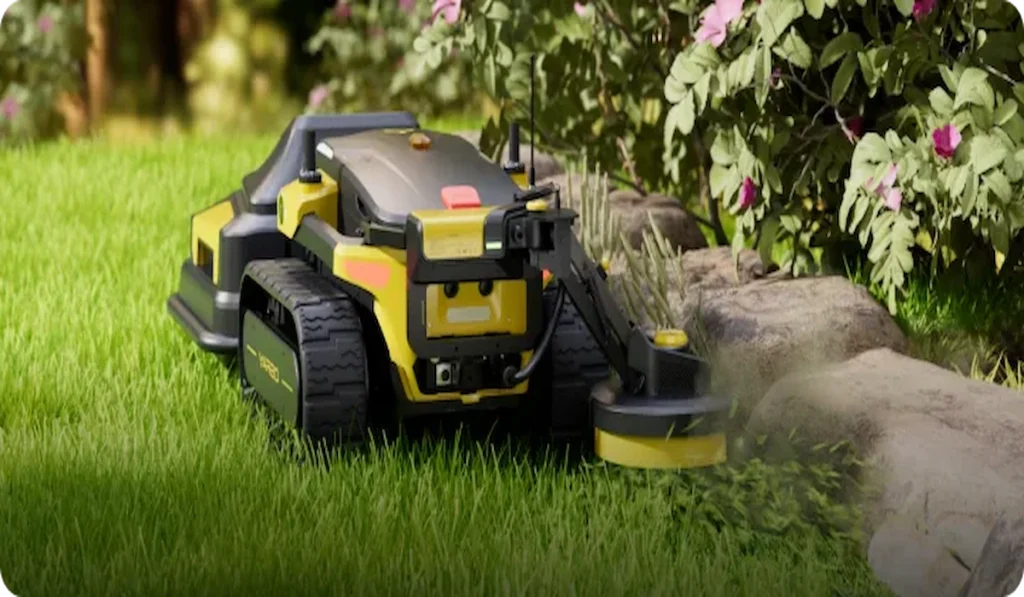
Robotic lawn mowers have quickly become one of the most popular lawn care technologies for homeowners who want a clean, even lawn without spending hours pushing a traditional mower. As their popularity grows, many people want to know if robotic lawn mowers are truly safe to use around children, pets, and property.
Modern robotic mower models feature advanced sensors, smart navigation, automatic shut-off systems, and multiple layers of protection that significantly reduce risk. However, like any power equipment, these devices must be used correctly to ensure complete safety.
This detailed guide explores robotic lawn mower safety, common concerns, protective features, potential risks, and how to use these machines responsibly. By the end, you will have a clear understanding of how safe robotic lawn mowers really are and whether they are a good fit for your yard.
How Robotic Lawn Mowers Work
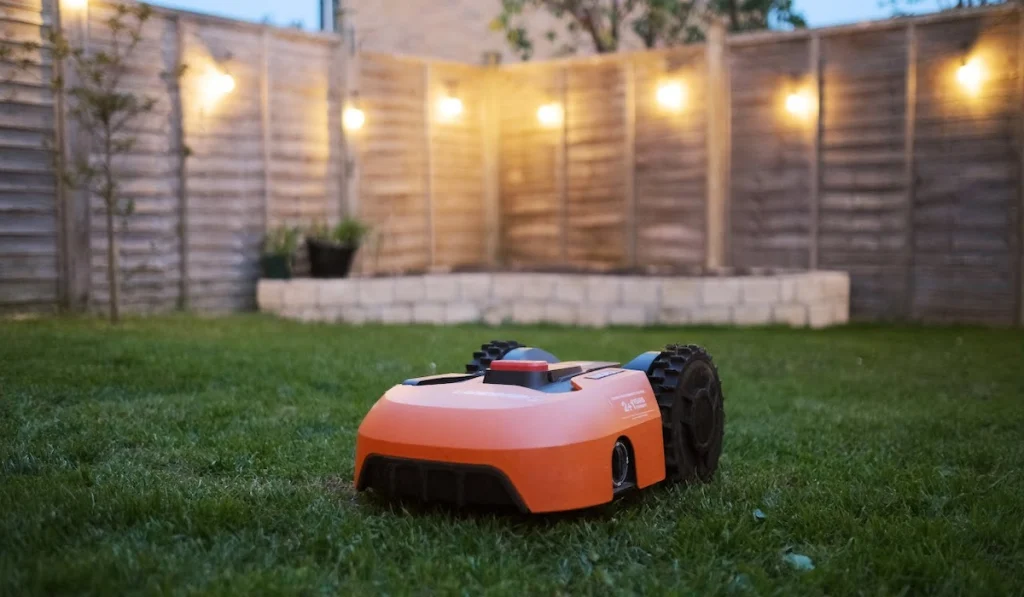
Robotic lawn mowers operate using a combination of boundary wires, GPS navigation, collision sensors, and innovative software. Once programmed, the mower automatically starts cutting grass within the defined area.
Most models run on rechargeable batteries and mulch the clippings into the soil, helping maintain a high-quality lawn without leaving piles of grass behind.
They are designed to deliver effortless lawn maintenance, but understanding their working system can help you use them more safely and efficiently.
Are Robotic Lawn Mowers Safe?
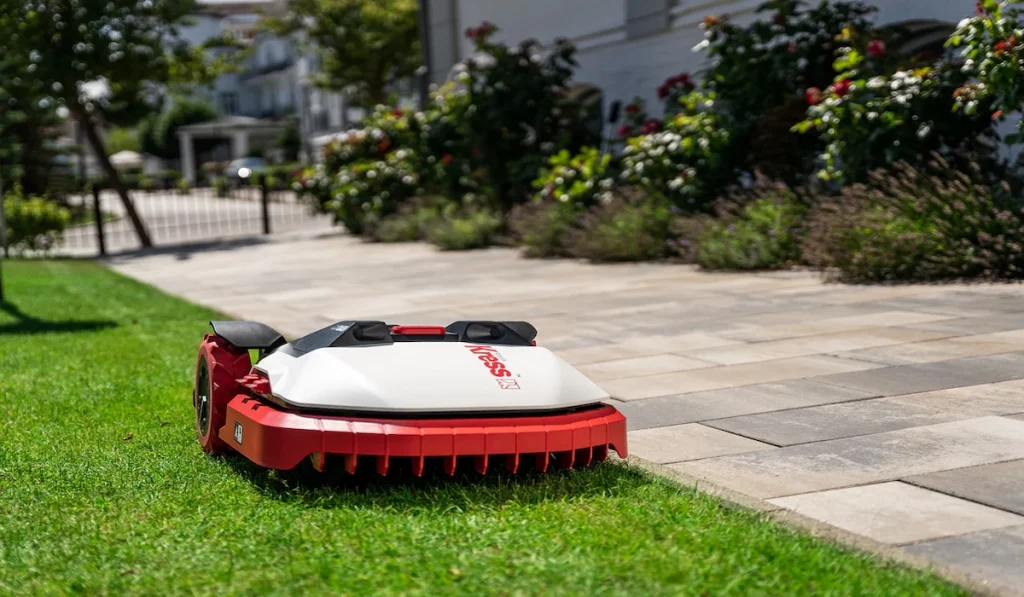
Yes, robotic lawn mowers are generally safe, especially compared to traditional gas-powered mowers. They are built with numerous protective features that minimise risk to humans, pets, and property.
Brands such as Husqvarna, Worx Landroid, Gardena & Ambrogio have updated their safety mechanisms to meet strict European and global safety standards.
However, the overall safety depends on proper installation, routine maintenance, and responsible usage. Misuse or ignoring the manufacturer’s guidelines can reduce the built-in safety benefits.
Safety Features Built Into Modern Robotic Lawn Mowers
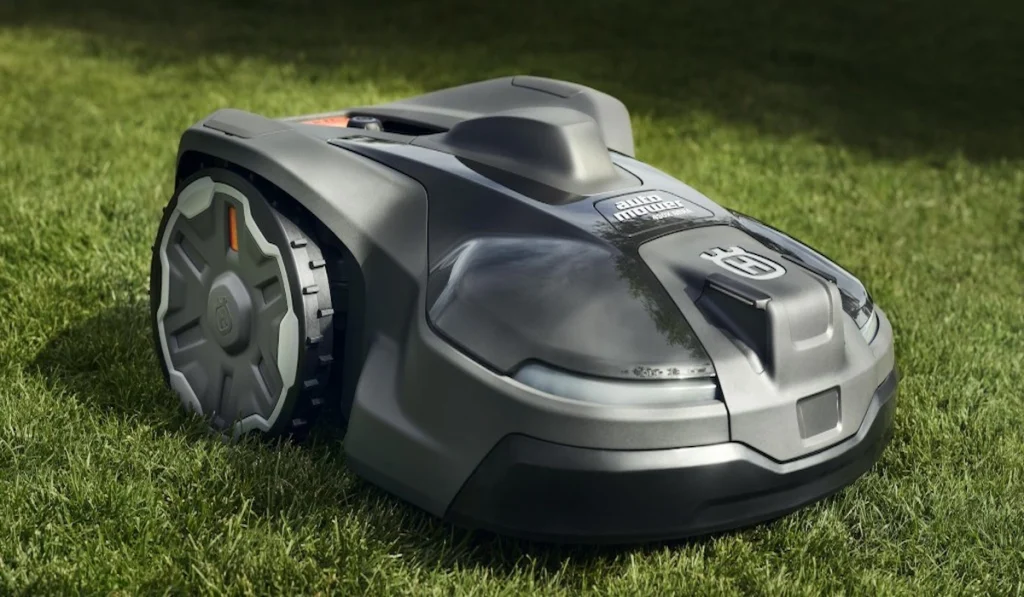
Below are the most common safety technologies included in modern robotic mowers. These make them far safer than traditional lawn equipment.
Automatic Blade Shut-Off
This is one of the most essential features. The blades immediately stop rotating if the mower:
- Is picked up
- It is tilted beyond the safe angle
- Encounters a sudden lift
This prevents injuries to children, pets, and even the user who may need to reposition the device.
Obstacle Detection Sensors
Robotic mowers use a combination of sensors to detect objects in their path. These include:
- Collision sensors
- Ultrasonic sensors
- Cameras (in advanced models)
When the mower approaches an obstacle, it slows down or stops, then changes direction to avoid impact. This helps protect outdoor toys, garden decorations, and pets.
Lift and Tilt Sensors
If the mower is lifted or tilted, the blades shut off instantly. This is crucial when curious children or pets try to interact with the unit.
PIN Code and Anti-Theft System
To prevent unauthorised use, many robotic lawn mowers include:
- PIN code locking
- GPS tracking
- Alarm systems
- Mobile app notifications
This ensures that only the owner can operate or adjust the mower.
Boundary Control
The boundary wire defines the mowing zone. The mower will not cross this line, meaning:
- It stays inside your yard.
- It never goes onto driveways, streets, or neighbouring properties.
- It avoids dangerous zones like slopes or ponds (if set correctly).
- Low-Height Blades.
Robotic mowers use small, lightweight blades rather than large steel blades. These pivoting blades reduce injury risk anminimiseze damage if they hit an object.
Are Robotic Lawn Mowers Safe for Kids?
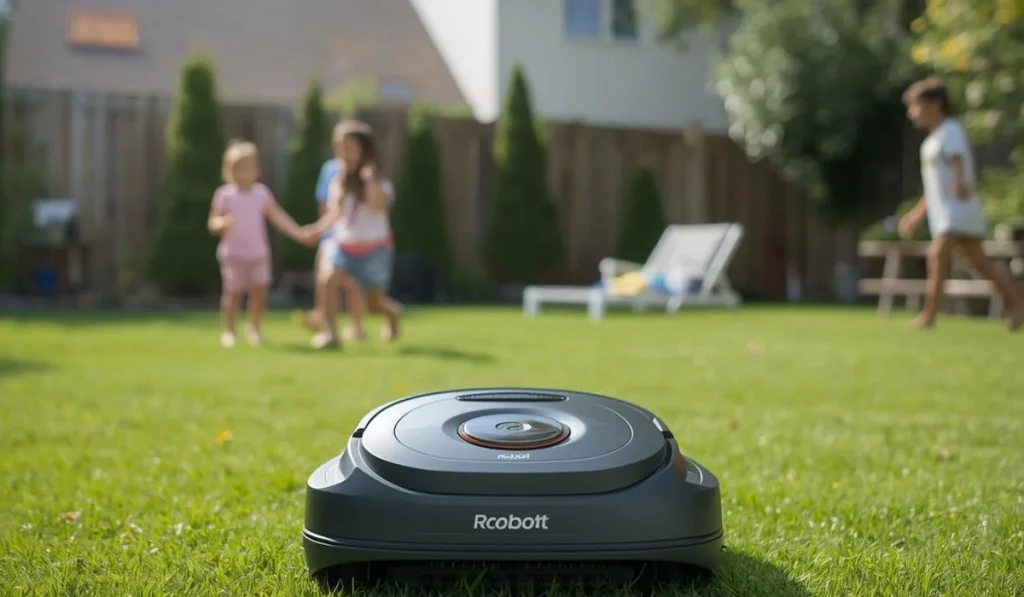
When used correctly, robotic lawn mowers are considered safe around children. They operate quietly, move slowly, and include automatic shut-off mechanisms. However, parental supervision is still necessary.
Precautions When Kids Are Present
- Keep young children away from the mower while it is operating.
- Schedule mowing times when no one is playing in the yard.
- Ensure boundary wires are installed correctly to prevent accidental contact.
Robotic mowers are safest when they operate early in the morning or late in the evening, when the lawn is empty.
Are Robotic Lawn Mowers Safe for Pets?
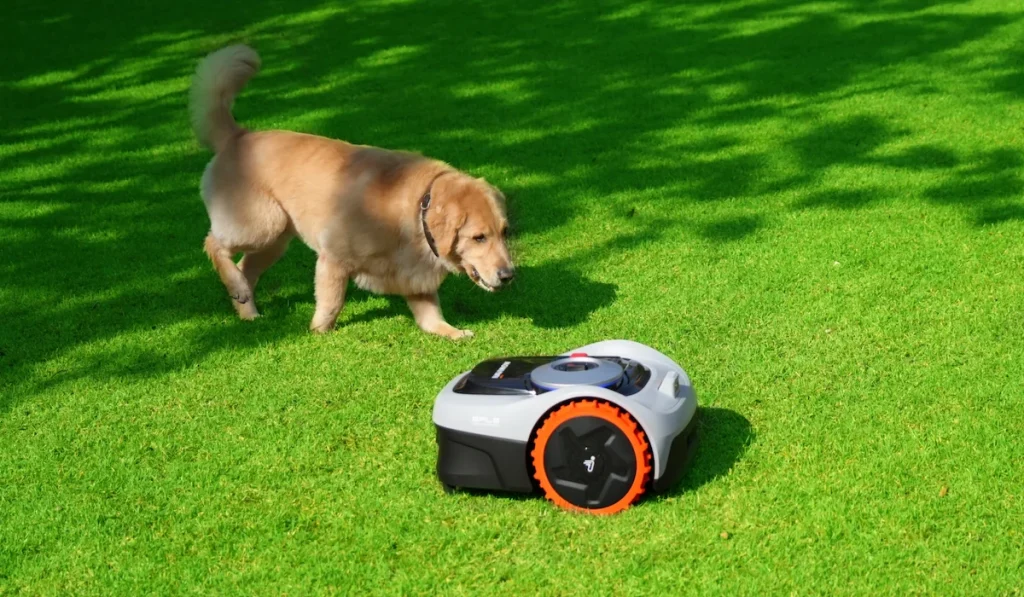
Most pets naturally avoid robotic mowers due to the noise and movement. The device also slows down near obstacles, reducing the likelihood of accidental contact.
Pet Safety Tips
- Avoid letting pets chase the mower.
- Use the mobile app to schedule mowing when pets are indoors.
- Clean the mower weekly to remove any debris that could attract animals.
Overall, robotic mowers are safe for cats, dogs, and other small animals when used responsibly.
Can Robotic Lawn Mowers Damage Property?
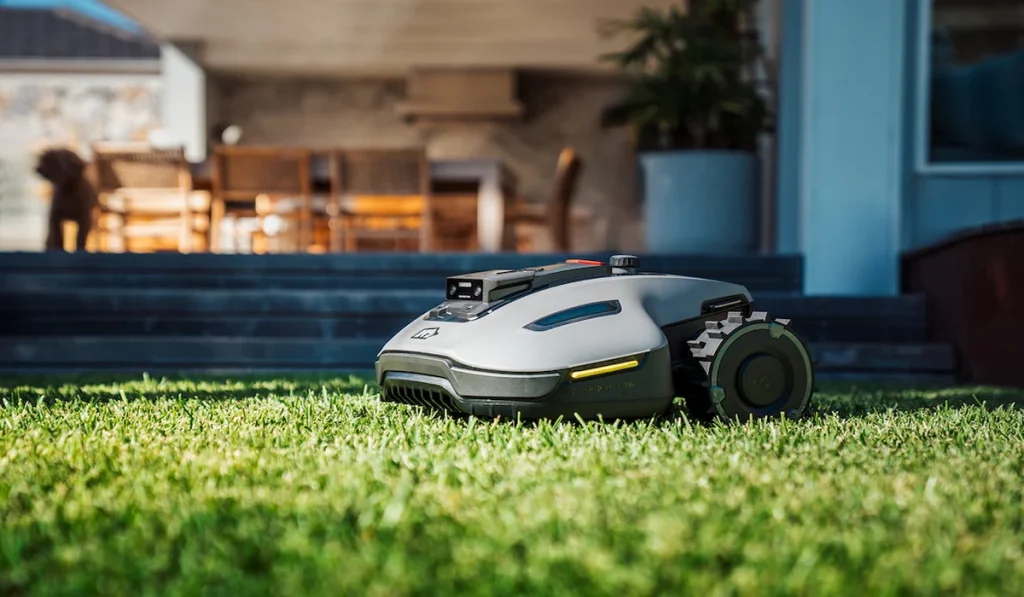
Damage is rare due to obstacle detection and slow movement. However, here are a few potential issues:
Possible Minor Risks
- The mower may scrape or bump into objects if the sensors malfunction.
- Incorrect boundary setup can cause it to enter flower beds or paved areas.
- Sharp edges on toys or stones can quickly dull blades.
Most property damage is preventable with proper installation and regular sensor cleaning.
Are Robotic Lawn Mowers Safe on Slopes?
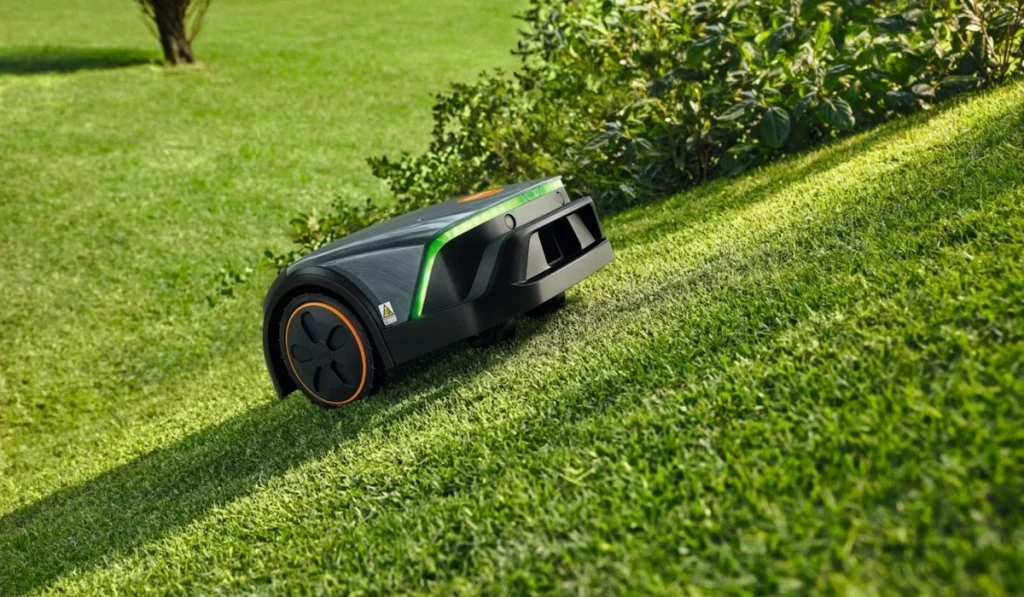
Many robotic lawn mowers are designed to handle slopes up to 20–45 degrees, depending on the model. Safety features ensure the mower maintains traction, slows down on gradients, and stops if it loses balance.
Slope Safety Tips
- Choose a model designed for your yard’s steepness.
- Clean the wheels often for better grip.
- Avoid using the mower on extremely uneven terrain.
Environmental Safety: Are Robotic Lawn Mowers Eco-Friendly?
Yes. Robotic mowers are environmentally safe and offer several eco-friendly benefits:
- Zero emissions
- Low noise levels
- Reduced energy consumption
- Natural mulching that improves soil health
Their small cutting blades trim grass regularly, promoting a healthier, greener lawn without loud engines or harmful exhaust.
Situations When Robotic Lawn Mowers May Not Be Safe

While robotic mowers are safe overall, certain situations require caution:
Weather-Related Risks
Wet ground can cause slippery movement, reducing performance. Most robotic mowers can detect rain and return to their charging base automatically.
Incorrect Setup
Poor installation is the number one reason for safety problems. If the boundary wire is not placed correctly, the mower may enter unsafe zones.
Very Small Objects on the Lawn
Small toys, stones, or gardening tools may get caught in the blades.
How to Use a Robotic Lawn Mower Safely
Follow these best practices to maximise safety and performance:
- Inspect the lawn regularly for objects.
- Clean sensors, wheels, and blades weekly.
- Program mowing schedules during quiet or empty times.
- Keep children and pets indoors when the mower is running.
- Choose a high-quality robotic mower with modern safety certifications.
Good maintenance ensures long-term durability and consistent safety.
Are Robotic Lawn Mowers Worth It?
For many homeowners, the safety, convenience, and efficiency of robotic lawn mowers make them an excellent investment. They reduce manual labour, maintain a healthier lawn, and operate with minimal noise or emissions. With the proper setup, robotic lawn mowers are safe and reliable for everyday use.
Conclusion
Yes, robotic lawn mowers are safe when installed and used correctly. They come with advanced safety features, including obstacle sensors, automatic blade shut-off, lift and tilt detectors, and controlled navigation systems. While they still require responsible usage and reasonable maintenance, they remain one of the safest lawn care options available today.
If you’re looking for a modern, low-maintenance, eco-friendly mowing solution, a robotic lawn mower can be a secure and efficient choice for your home.