


Landscaping is more than just planting flowers and trimming bushes. It’s about shaping outdoor spaces to make them beautiful, relaxing, and functional. Whether you have a small backyard or a large garden, learning the basics of landscaping can help you create a space that feels like home. In this mini landscaping lesson, you’ll learn how to plan, design & maintain your outdoor area step by step.
Understanding What Landscaping Really Means
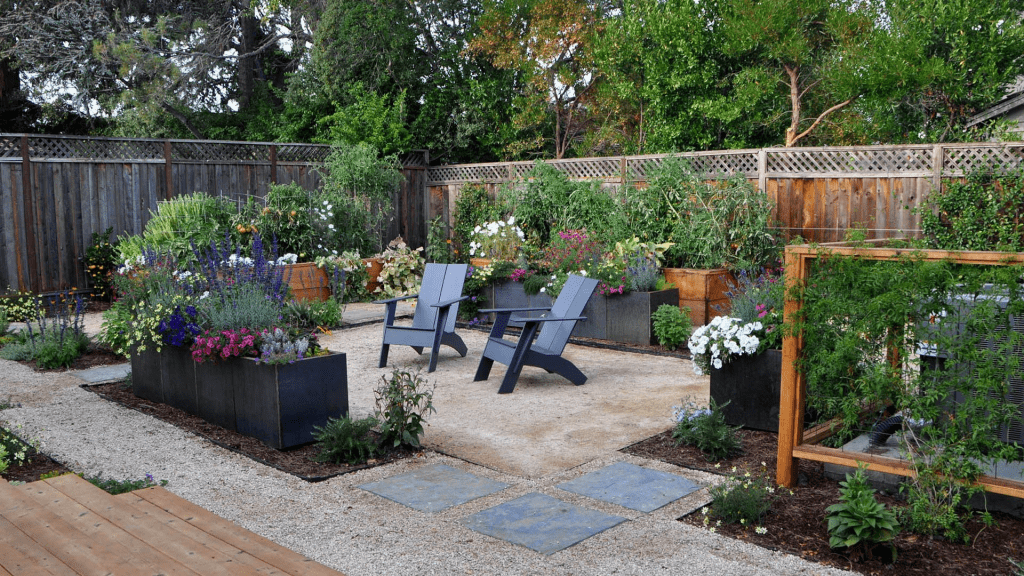
Landscaping is the art of arranging plants, trees, paths & other outdoor features to enhance both beauty and purpose. It’s not just about looks — good landscaping also improves air quality, supports local wildlife, and increases property value.
You can think of landscaping as creating a living picture. Every plant, rock, or piece of furniture you place adds to the scene and changes how people experience the space.
Step 1: Start with a Plan
Before you pick up a shovel, you need a plan. Good landscaping always starts with careful thinking.
Ask yourself:
- What do I want from this space?
- Do I want it for relaxing, entertaining, or growing plants?
- How much time can I spend maintaining it?
Once you know your goals, sketch a rough layout of your yard. Include features such as trees, fences, walkways, and open areas. You don’t need to be an artist — even a simple drawing can help you see the bigger picture.
Step 2: Understand Your Space
Every outdoor area is unique. The size, sunlight, soil, and slope all affect what you can grow and how you can design. Spend some time observing your yard at different times of the day.
Notice which areas get the most sunlight, where water collects after rain, and where the wind blows strongest. This will help you choose the right plants and avoid future problems.
If your soil is dry and sandy, go for drought-resistant plants. If it’s moist and rich, you can grow a wider variety of flowers and shrubs.
Step 3: Choose a Design Style
Landscaping has many styles, and each creates a different feeling. Some people love a natural, wild garden, while others prefer clean lines and symmetry. Here are a few popular styles to inspire you:
- Modern Landscaping: Uses straight lines, simple shapes & minimal plants. Great for small spaces or contemporary homes.
- Cottage Garden: Full of colourful flowers, curved paths & a cozy atmosphere. Perfect for romantic and traditional settings.
- Tropical Design: Includes lush greenery, bright flowers & water features for a vacation-like feel.
- Zen Garden: Focuses on peace and simplicity with rocks, gravel & gentle plants.
Pick a style that matches your home’s look and your personal taste. For more tips on using seasonal flowers to keep your garden colourful year-round, visit creating a colorful flower garden with seasonal blooms.
Step 4: Select the Right Plants
Plants are the heart of any landscape. When choosing them, think about colour, size & texture. A mix of different shapes and shades can make your garden more interesting.
Choose native plants whenever possible—they grow well in your local climate and need less care. Combine tall plants for background, medium ones for the middle, and small ground covers in the front.
Don’t forget seasonal changes! Pick some plants that bloom in spring, others in summer, and a few evergreens to keep colour all year round.
Step 5: Add Pathways and Features
Paths, patios, and decorative elements give structure to your landscape. They guide movement and create cozy corners for sitting or relaxing.
You can use stones, bricks, or gravel for pathways, depending on your preferred style. Add benches, planters, or garden lights to make the space more welcoming. A small fountain, birdbath, or fire pit can become a lovely focal point.
If you’re thinking of including a fountain, pond, or small waterfall, read adding a water feature to your yard for beautiful ideas to bring movement and peace to your garden design.
These touches don’t have to be expensive — even simple DIY ideas can make a big difference.
Step 6: Focus on Balance and Proportion
Good landscaping has balance. That doesn’t mean everything must be perfectly equal, but the space should feel visually calm. For example, if one side of your yard has a large tree, you can balance it with a flower bed or tall shrubs on the other side.
Proportion is also key — large plants can overpower small spaces, while tiny plants can get lost in big yards. Always keep your garden’s size in mind when choosing plants and furniture.
Step 7: Use Colour Smartly
Colour brings life to your garden. Warm colours like red, orange & yellow create excitement and make spaces feel cozy. Colours like blue, purple & green make the space feel calm and open.
Try to create a colour scheme. For example, a mix of soft pinks and whites gives a gentle look, while bright yellows and reds create a cheerful mood. Don’t overcrowd with too many colours — simplicity is often more attractive.
Step 8: Keep Maintenance in Mind
Every garden needs care. Before planting, think about how much time you can spend on maintenance.
If you’re busy, choose low-maintenance plants like succulents, lavender, or ornamental grasses. They look beautiful without needing daily attention.
Regular watering, trimming & weeding keep your landscape healthy. Installing a drip irrigation system can save both time and water.
Step 9: Add Lighting for Ambience
Outdoor lighting can transform your garden at night. It highlights beautiful areas and makes the space safer to walk through.
Use soft lights along pathways and gentle spotlights on trees or sculptures. Solar-powered lights are eco-friendly and easy to install. A well-lit garden feels warm and inviting even after sunset.
Step 10: Think About Sustainability
Modern landscaping isn’t just about looks — it’s also about protecting nature. Try to design with the environment in mind.
Use rainwater collection systems or drought-tolerant plants to save water. Add compost to improve soil naturally, rather than using chemicals. Create a small space for bees or butterflies by planting pollinator-friendly flowers.
A sustainable landscape helps both your garden and the planet thrive.
Common Landscaping Mistakes to Avoid
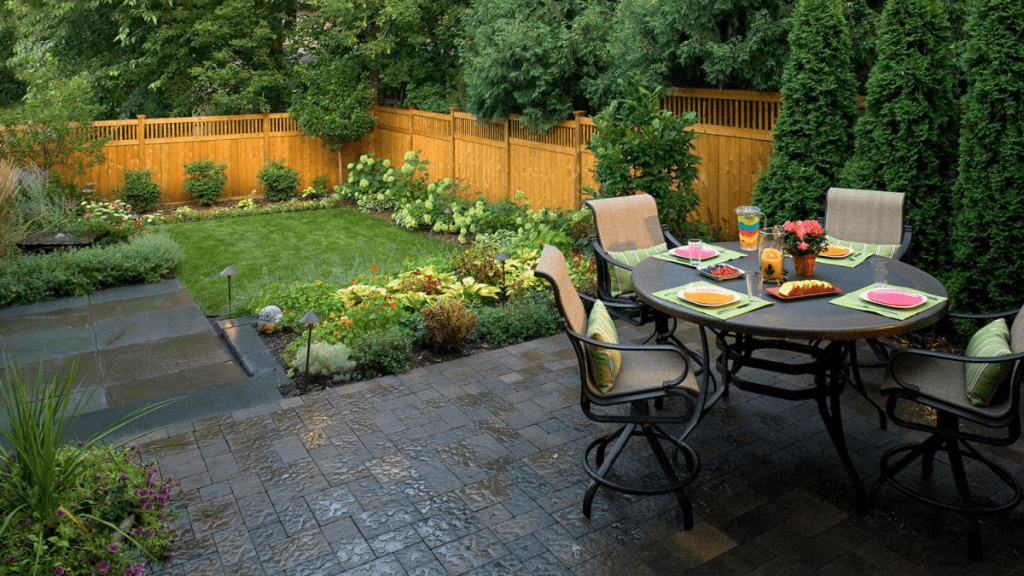
Many beginners make the same small errors when designing their gardens. Here are a few things to watch out for:
- Overcrowding plants: They need space to grow.
- Ignoring sunlight: Some plants burn in full sun, while others die in too much shade.
- Poor soil preparation: Always enrich the soil before planting.
- Skipping maintenance: Even the best garden needs regular care.
Learning from these mistakes will help your landscape stay healthy and beautiful for years to come.
The Joy of a Well-Designed Garden
A beautiful landscape doesn’t happen overnight, but every little step brings you closer to your dream garden. Watching plants grow, seeing flowers bloom & enjoying peaceful evenings outdoors is truly rewarding.
Landscaping teaches patience, creativity, and care. It’s not just about improving your yard — it’s about connecting with nature and creating a personal sanctuary.
To explore more creative ideas for shaping your outdoor space, check out top 10 landscaping design ideas to enhance your home garden, where you’ll find inspiration for modern, cottage, and tropical styles.
Final Thoughts
This mini landscaping lesson gives you the foundation to start designing confidently. Begin small, plan wisely, and enjoy the process. Every corner you plant, every path you build, adds personality to your home.
Whether you want a lush garden full of flowers or a neat, simple outdoor space, the key is to balance beauty with comfort. Landscaping is a journey, and every effort you put in turns your outdoor area into a reflection of your own style and love for nature.